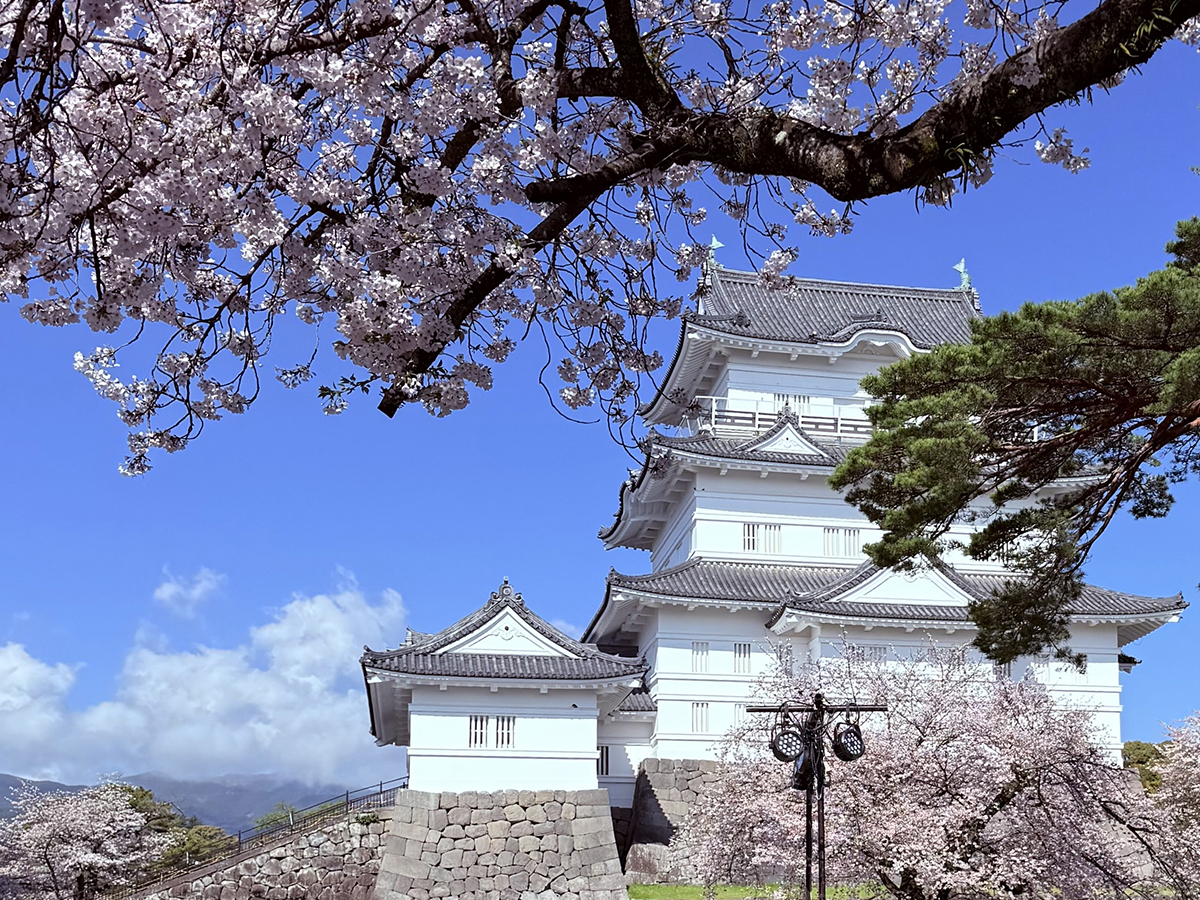
A fabulous day trip to Odawara
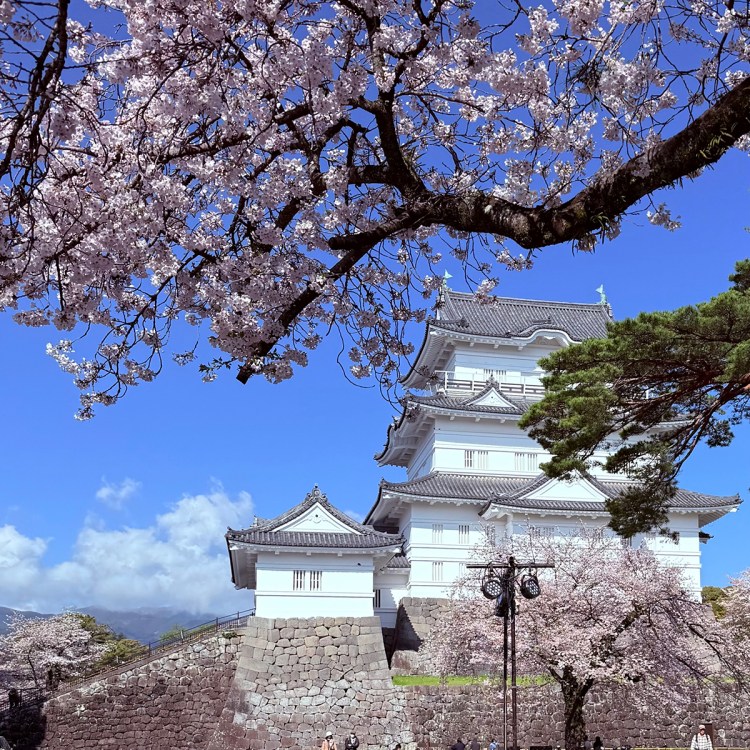
You don’t have to spend big bucks and hours on the bullet train to see one of the top castles in Japan and learn what it was like to live like a samurai lord. Odawara is an easy day trip from Tokyo! But there’s more. If you play your cards right, you can also enjoy side quests, like renting a costume and strutting around dressed as a warrior or veiled samurai lady, watching the town’s annual samurai parade and swordsmanship demonstrations, being dazzled by the most gorgeous weeping plum blossoms you’ll ever see, or paying a visit to an extraordinary outdoor design experience that will leave you speechless.
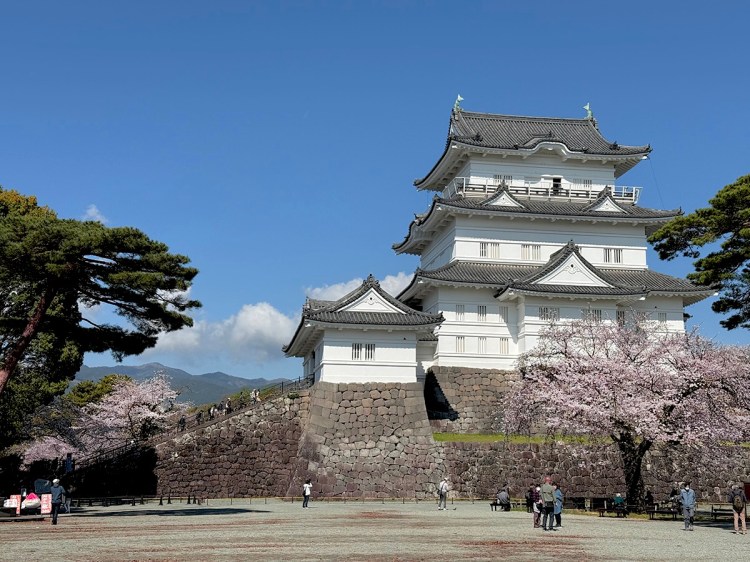
Odawara Castle was designed to be seen—and impress—from afar. In The Samurai’s Octopus, Takahisa Takeda doesn’t need to ask directions to this five-story, three-tiered wedding cake of a stronghold, because it sits atop a stout stone wall…
and he can see it for miles before he passes through this impressive copper-clad gate.
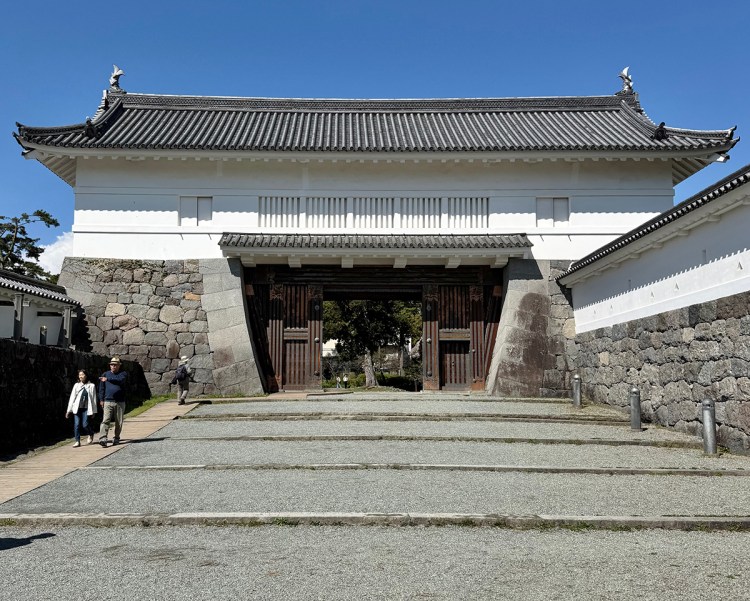
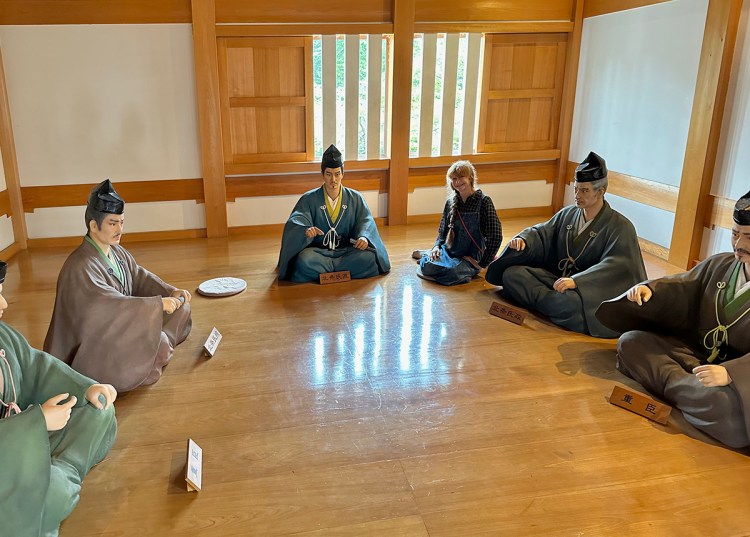
He’s not invited to take a seat among the council of daimyos meeting in the room above it—but you are!—as they strategize about defenses like dropping head-sized stones through the trap doors in the floor of this very room, onto the unsuspecting heads of rival warlords’ marauding armies.
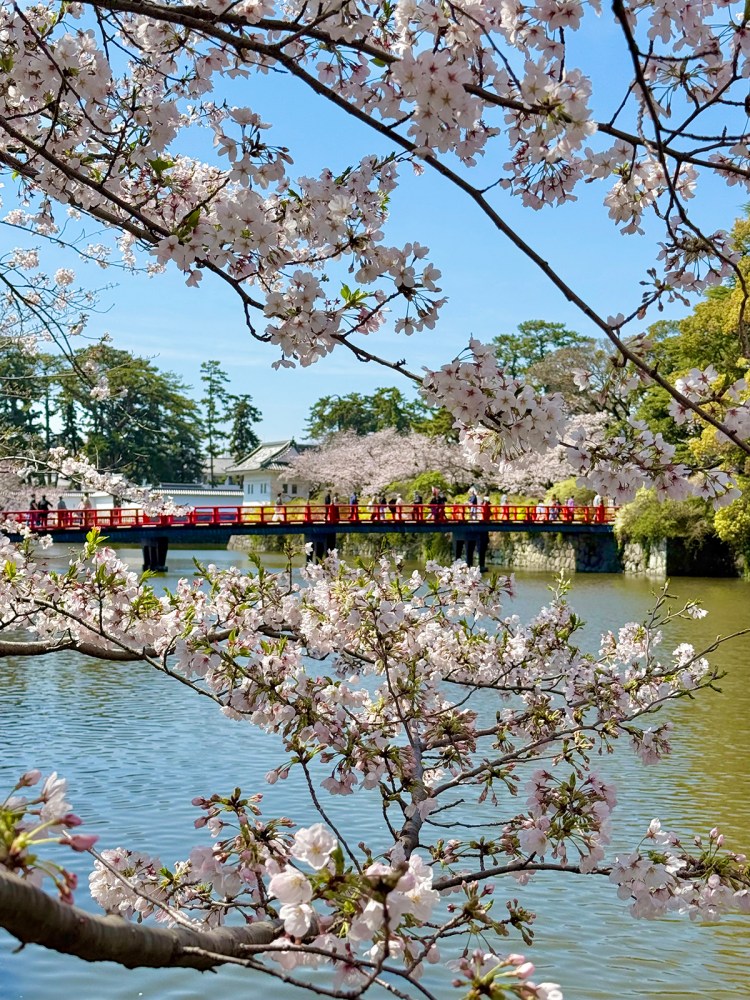
Protected by not one, but two moats—this grand outer water barrier lined with cherry trees…
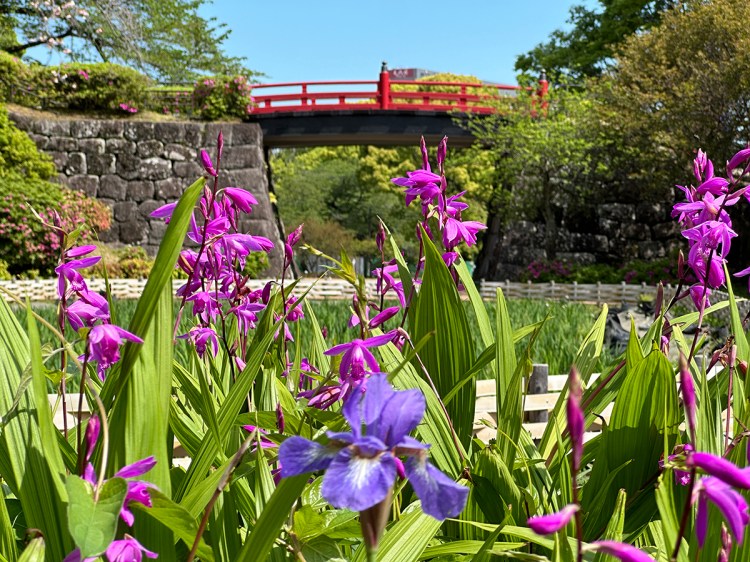
and a smaller one surrounding the keep, which is now spanned by a picturesque red lacquer bridge and planted with thousands of flowers…
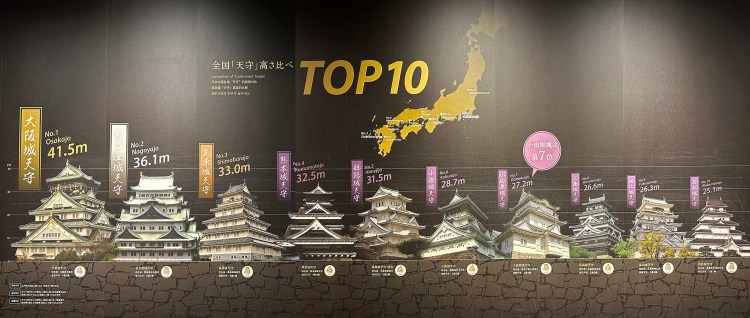
Odawara Castle deserves its place among the top ten castles of Japan. It’s one of the most meticulously restored strongholds in all the land.
Not only is it a fabulously only-in-Japan backdrop for what will probably become the first photo you show friends back home, you can pose for it in period costume! In the small shop outside the castle’s Samurai Museum…
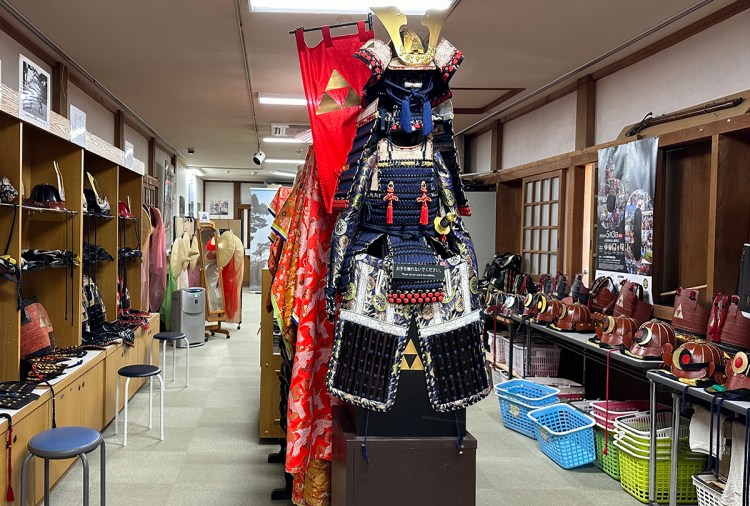
you can easily (and inexpensively!) rent outfits that turn you into anything from a Hodo clan warrior to an aristocratic samurai lady, including some in childrens’ sizes.
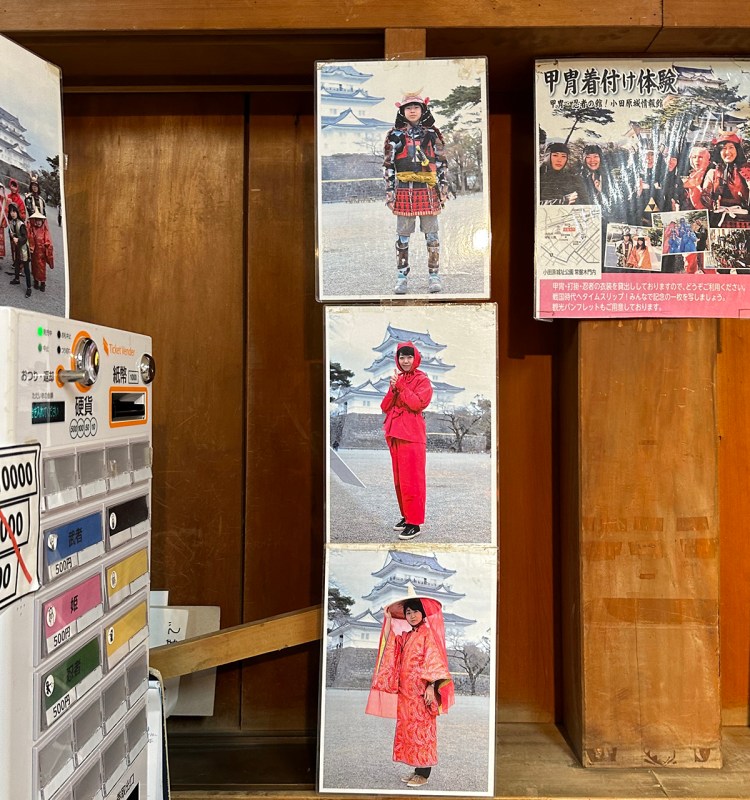
And don’t miss the jewel of a museum dedicated to all things samurai…
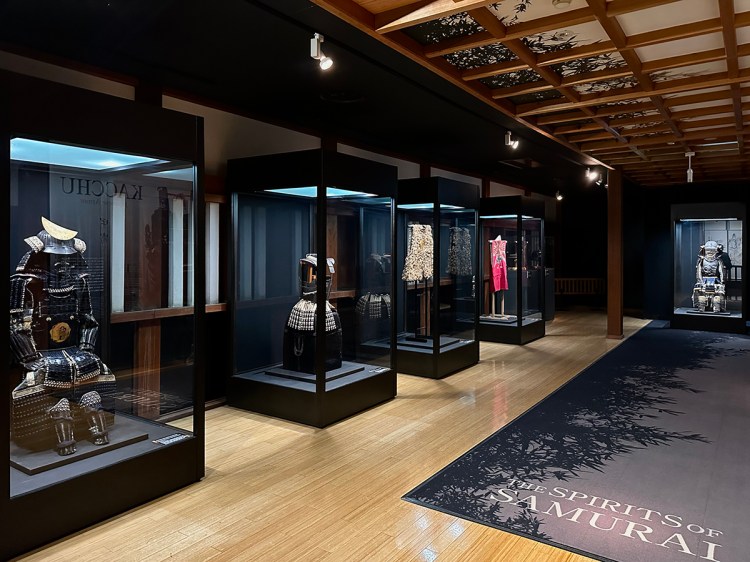
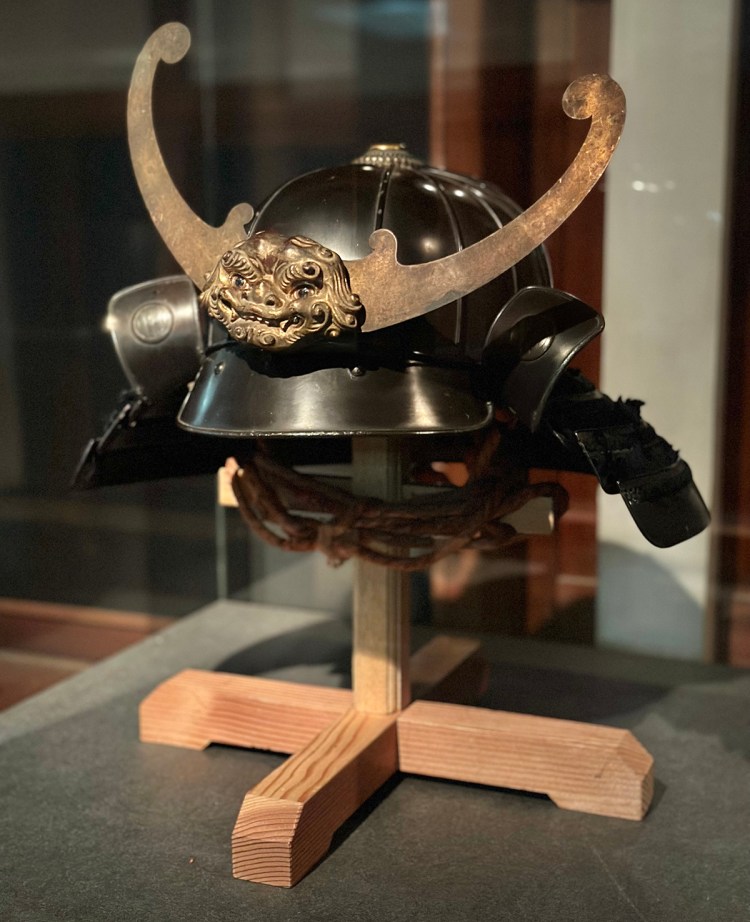
like beautifully preserved helmets…
and dramatizations that make samurai battle techniques as exciting as a video game.
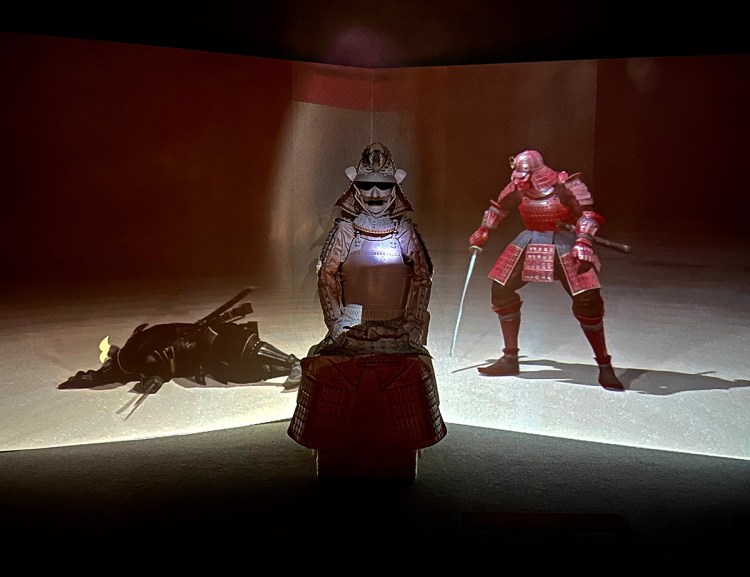
Inside the castle you’ll find a more extensive museum, one of the most well-designed in all of Japan. There’s no better place in all the land to learn how these castles were constructed…
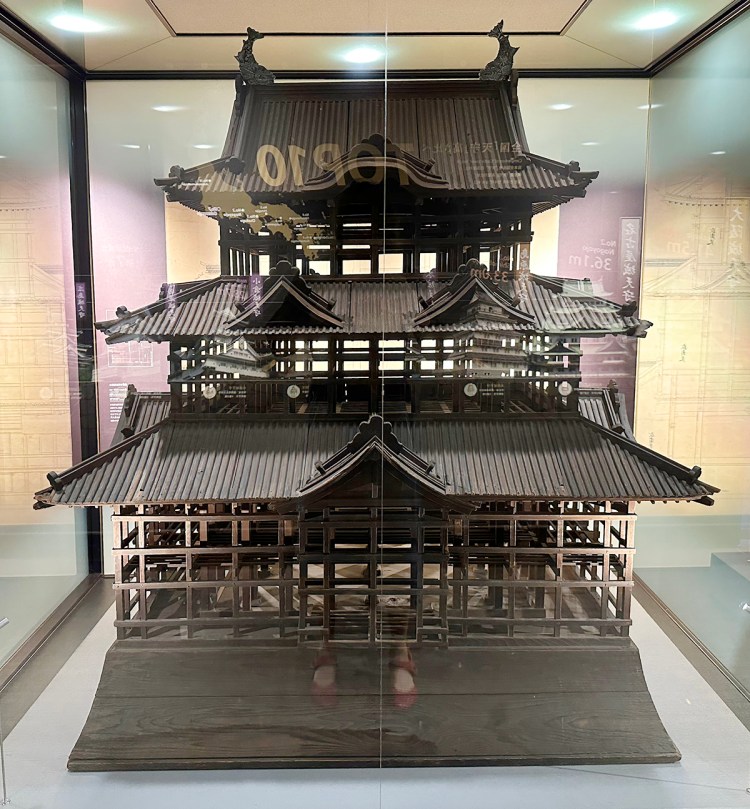
as well as the fiendish strategies for defending them and annihilating enemies before they even set foot inside the front door.
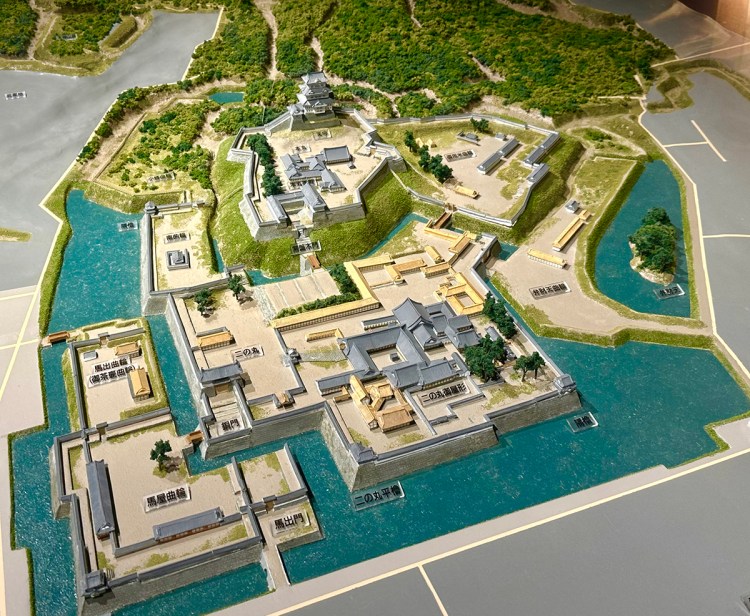
There are excellent displays on what daily life was like for the warriors stationed there, as well as the townspeople who supplied them with everything from umeboshi plums for their rice to timber for repairing the walls. (Once you’ve read The Samurai’s Octopus, you’ll appreciate the intricate web of influence that supplied these strongholds and be nodding your head at just how impossible it would be for such a garrison to exist without all the supporting actors…)
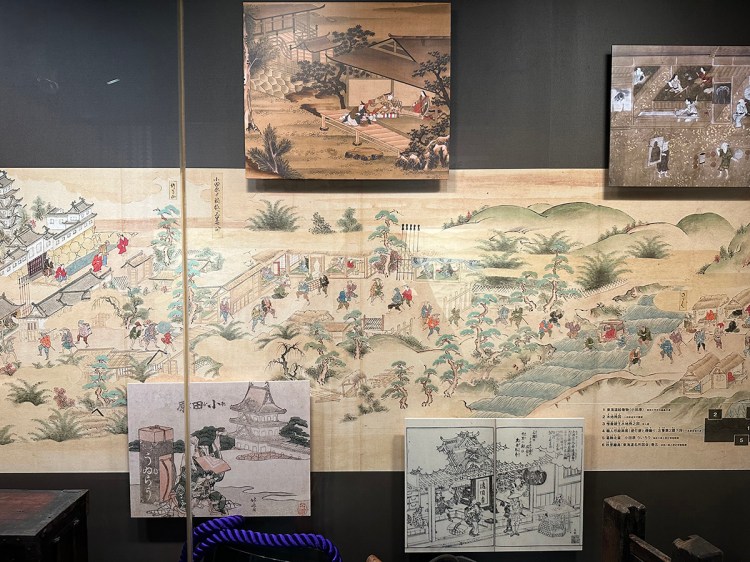
Odawara Castle also boasts a monster wisteria that blooms at the end of April…
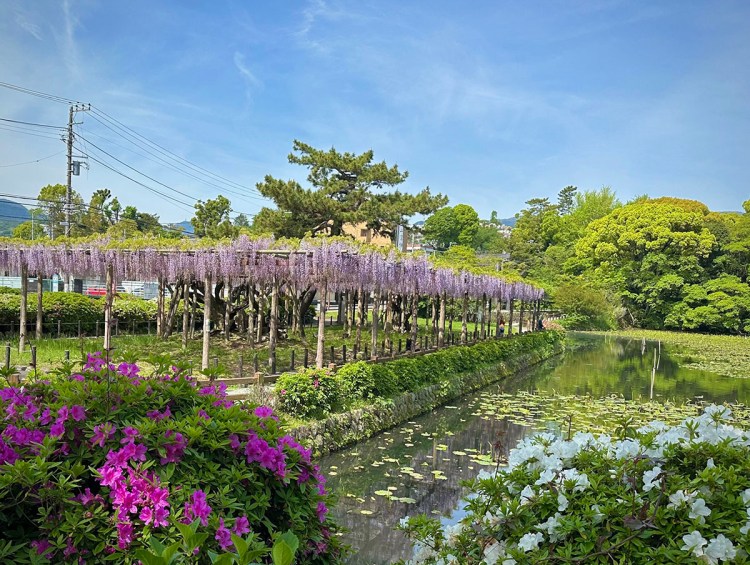
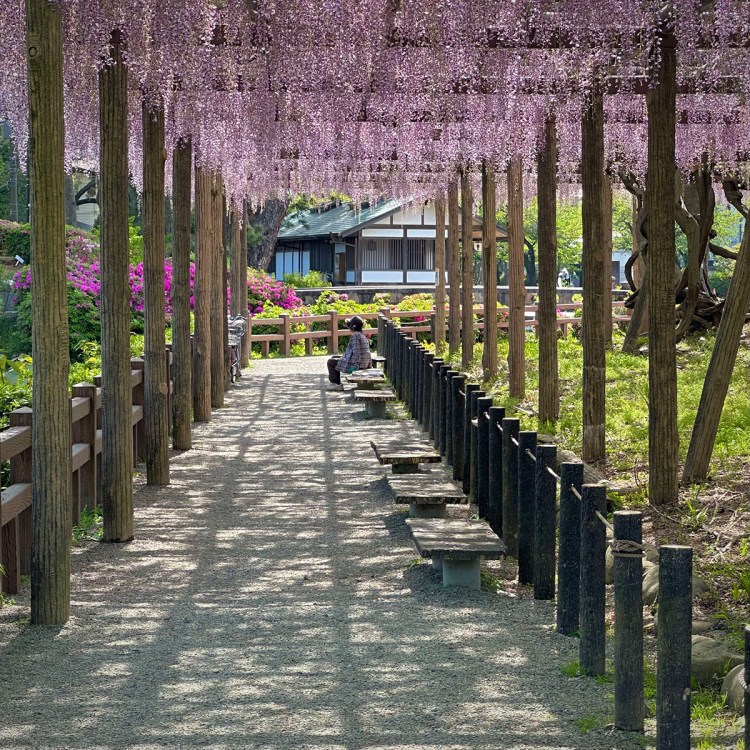
where you can cop a shady rest under the fragrant, swaying blossoms…
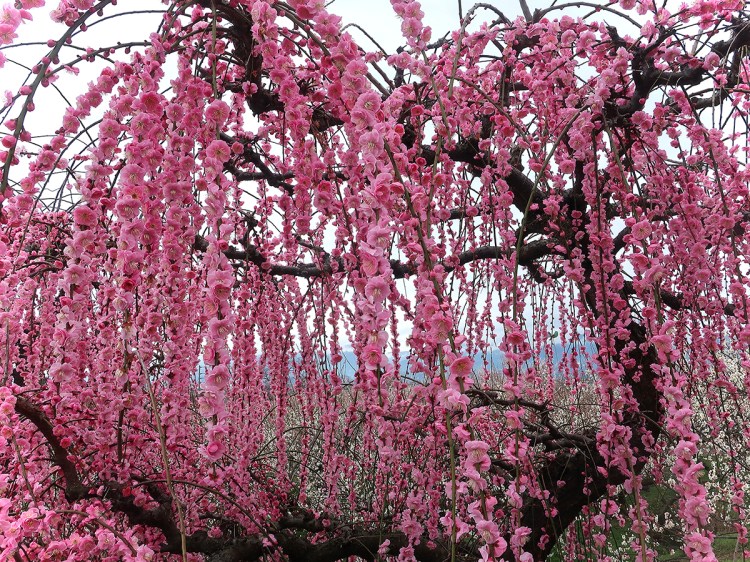
but if you come a few months earlier (mid-Feburary to mid-March), just a short train ride outside the town is the region where plums are grown for the umeboshi and plum wine market…
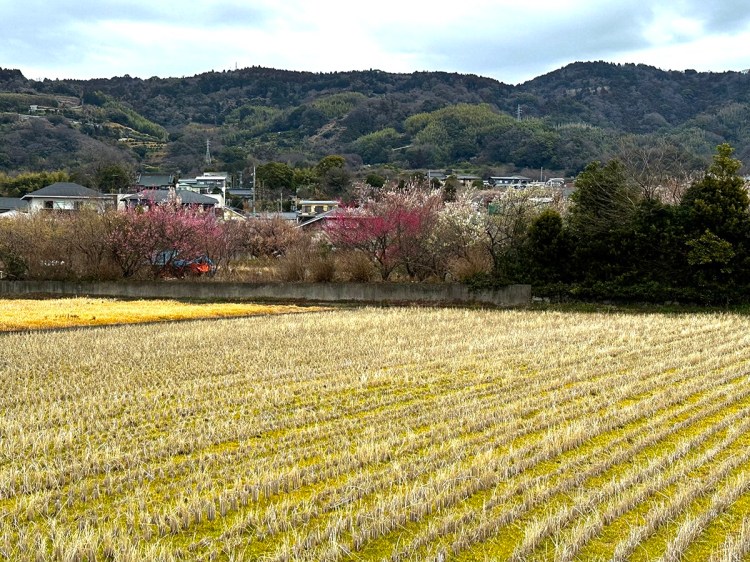
which is where (for free!) you can take snaps of the incredible weeping plum trees…
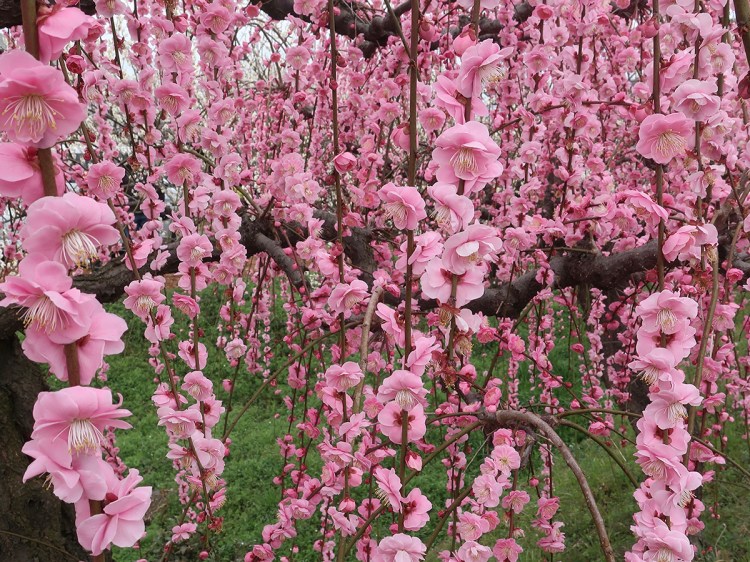
that make cherry blossoms pale by comparison.
But early May is when the town really pulls out the stops and puts on its annual Hodo Festival, with a parade of townspeople all proudly dressed like their Hodo clan ancestors…
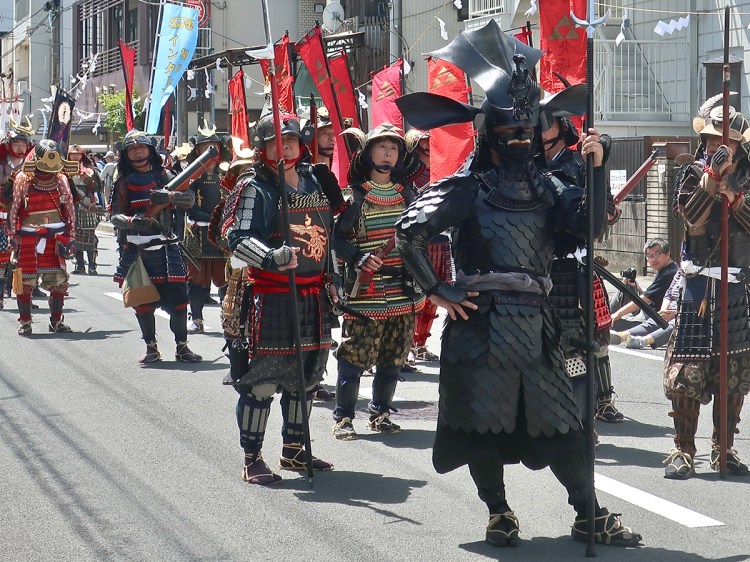
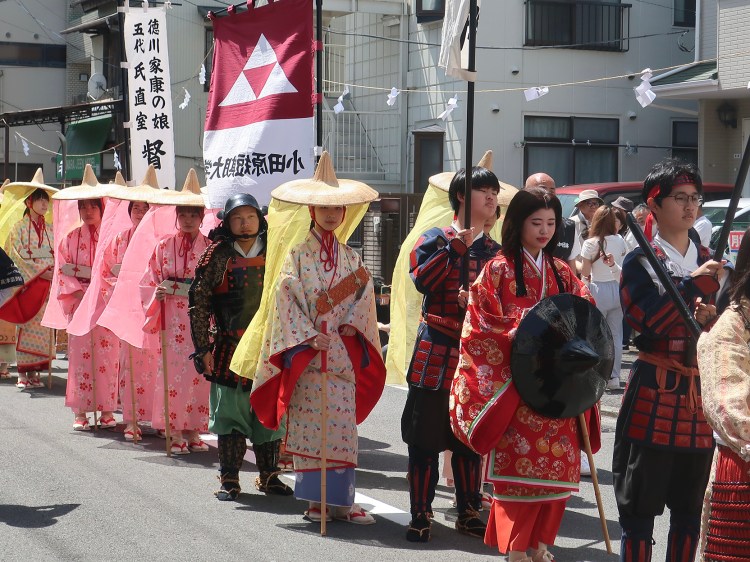
or aristocratic samurai ladies…
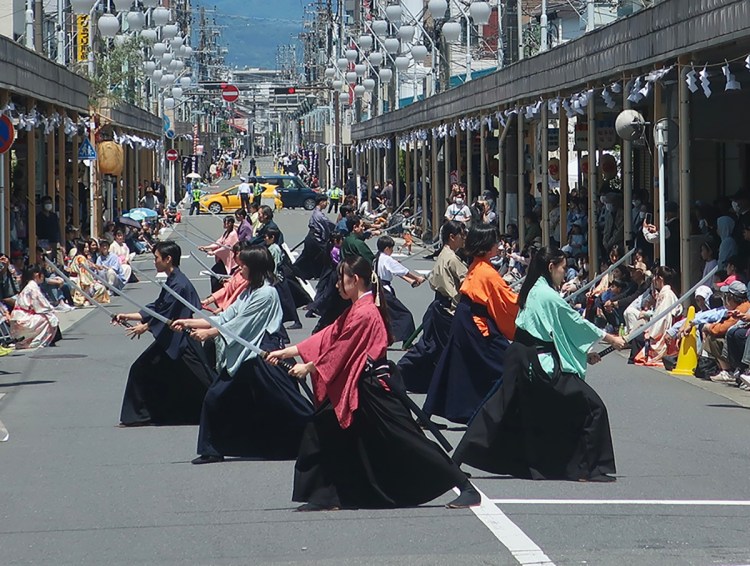
and they stage impressive demonstrations samurai fighting techniques, from swords…
to musket blasts.
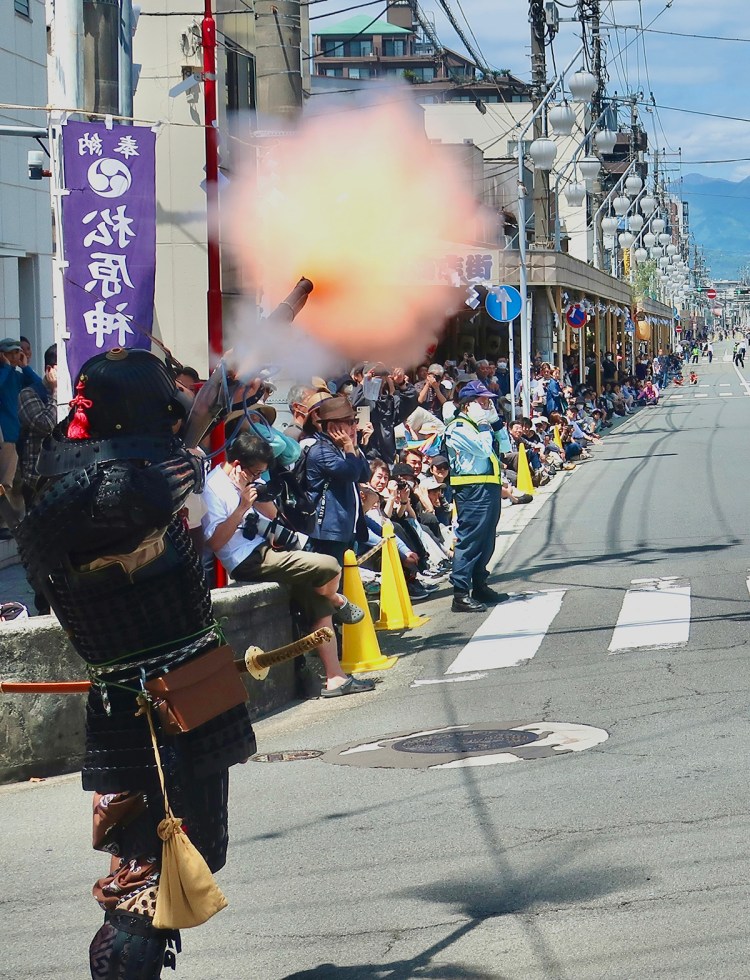
(Check out next month’s May 2026 Japanagram for more details about this must-see event, including where to see sumo wrestlers, swordfighting, and more.)
Odawara Castle is next door to the Hotoku Ninomiya shrine, dedicated to education and entered through this fragrant tunnel of prayer plaques.
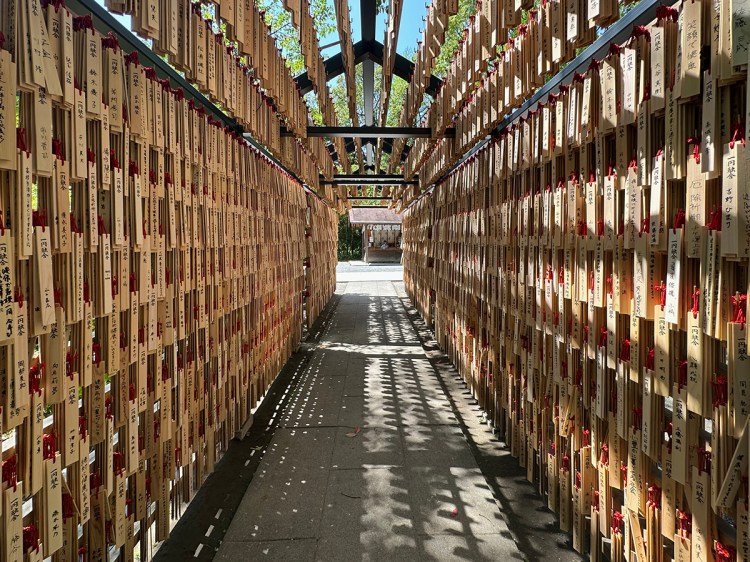
And if you’re planning to be in the Odawara area, I highly recommend you look beyond the castle too. Try to get your hands on one of the strictly limited tickets they release in advance to visit the Enoura Observatory, just outside town. This is an “observatory” in a far deeper sense of the word. Is it a Japanese garden…
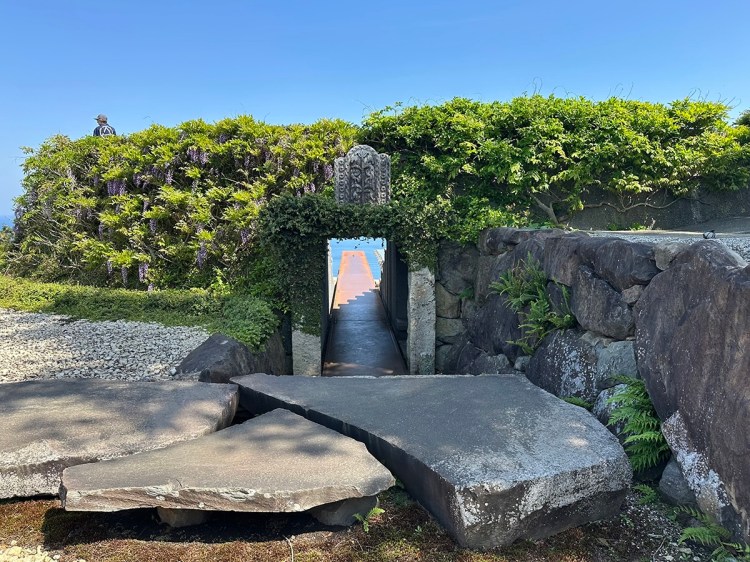
an art museum…
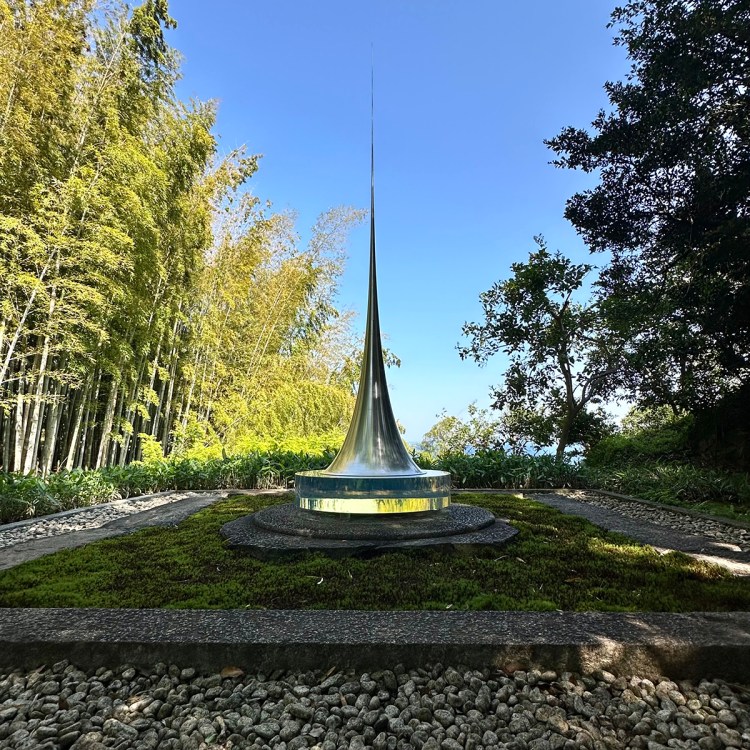
a meditation site…
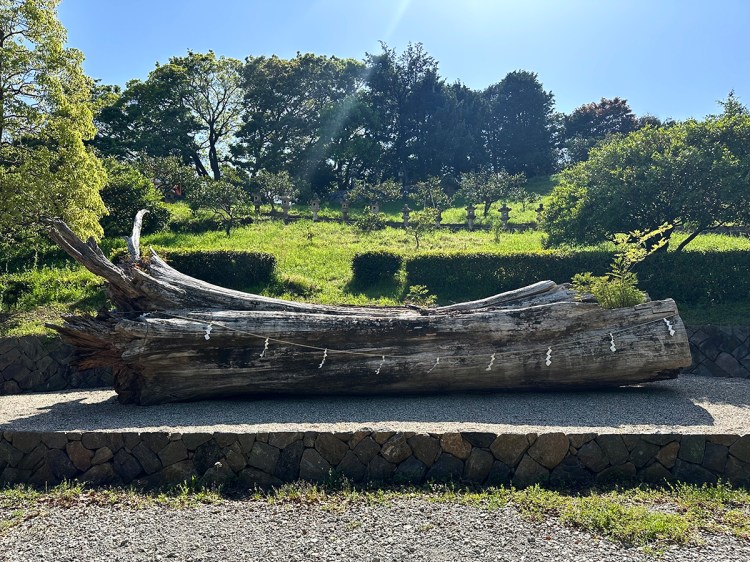
or a network of just plain gorgeous trails with killer views?
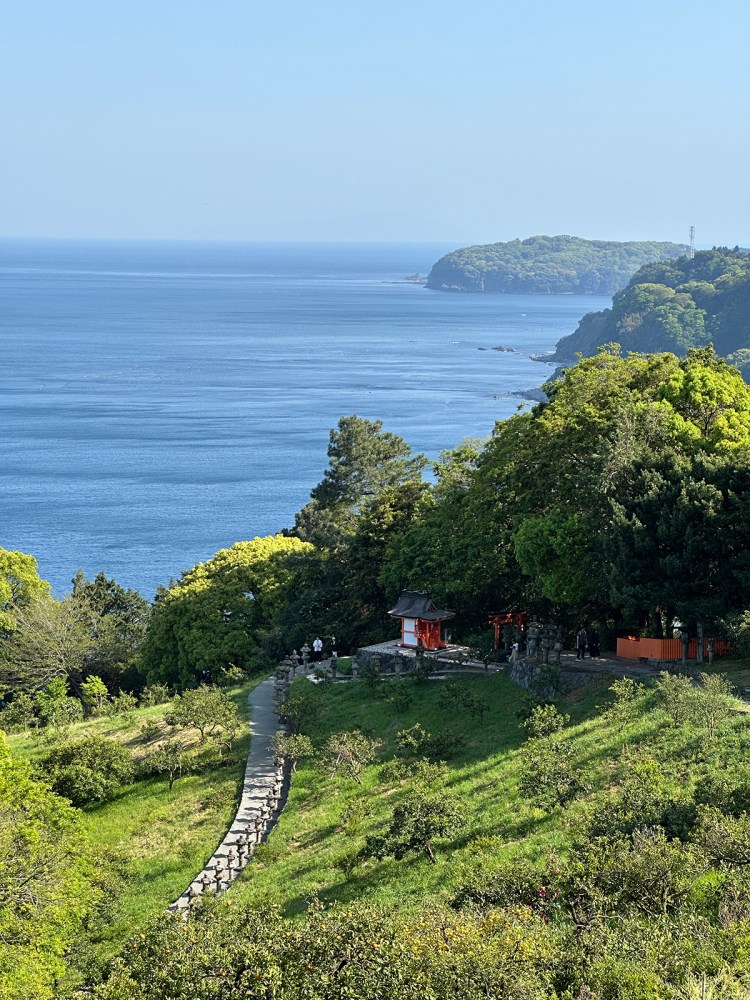
All I can tell you is what everyone said to me for years before I finally made the trek: “I can’t really describe it. Just go.”
MAP TO ALL ODAWARA DESTINATIONS
•
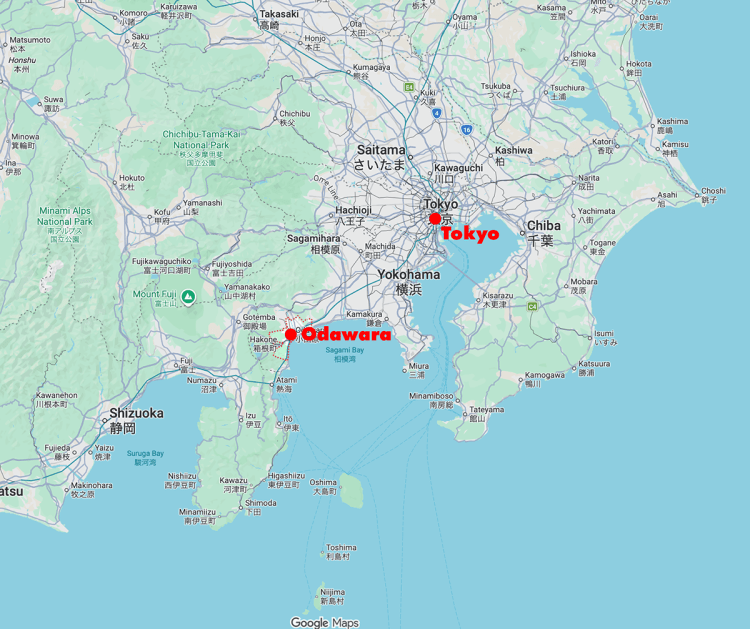
Here’s where Odawara is:
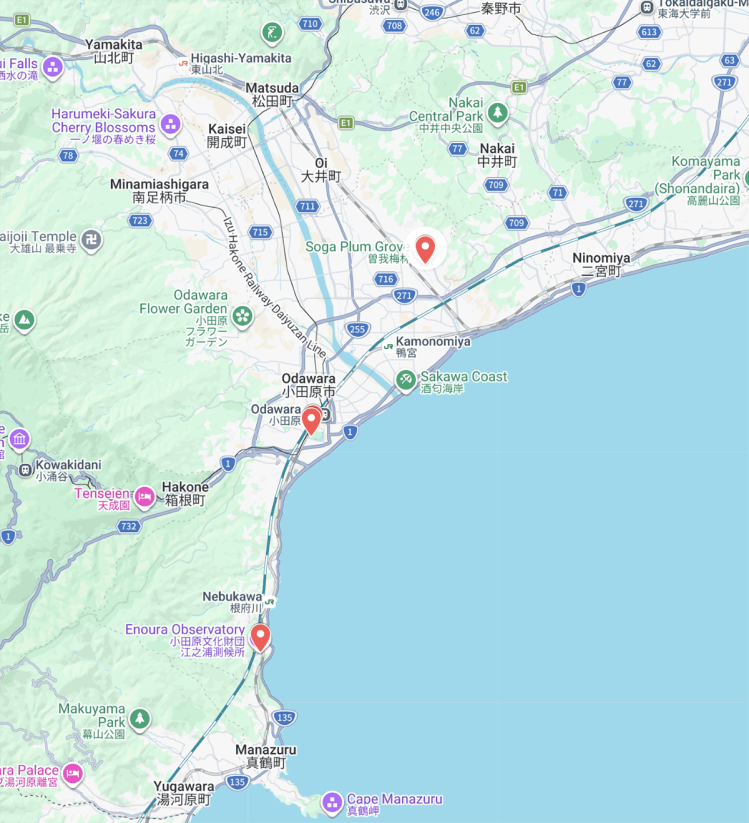
Here’s where all the places mentioned are:
Odawara is an easy day trip from Tokyo—you can get there in half an hour if you spring for the shinkansen, or you can get there on more economical local trains, which take about an hour and twenty minutes. To figure out how to get to Odawara from where you are, use the Japan Navigation phone app, plugging in your location, travel date and preferred arrival/departure time. Here’s where to get the app and how to use it.
•
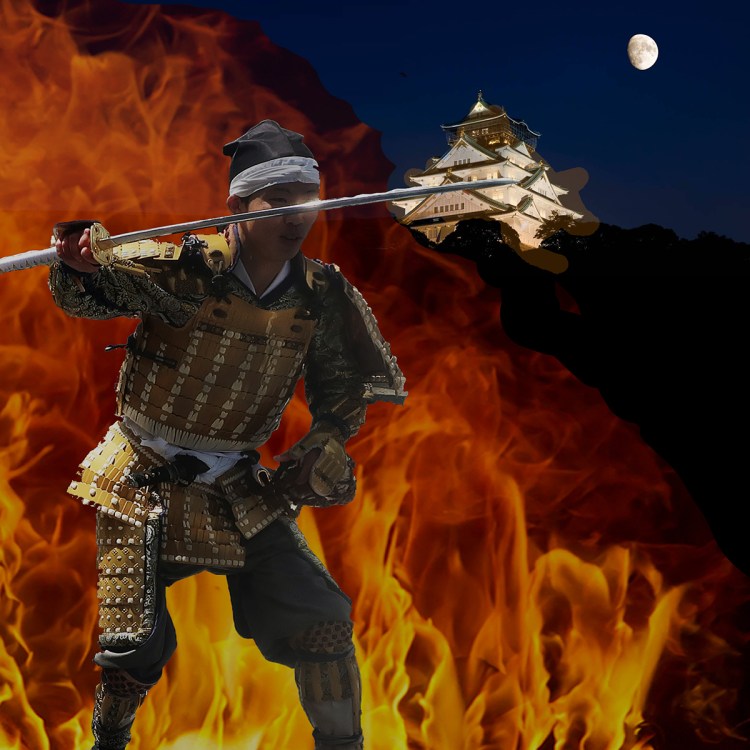
Edo Castle—where some of The Samurai’s Octopus takes place—burned several times in its long history, and all that’s left of it now are the walled moat and some foundation stones. But when Takahisa Takeda visits Odawara, he passes through the same copper gate that stands there today, pursuing the quest that began on another fiery night night that changed his life..
Over the distant crackle of the flames, Takeda hears a shout. His head snaps up. Nobody ahead. One block over?
A woman shrieks. He peers down a gap between two garden walls, but it’s nearly dark now, hard to see anything in the flickering light of the advancing flames. The woman’s cries grow louder and more desperate. He curses. Poor or not, he’s still a samurai, and wears two swords; he can’t ignore the obligation that goes with them. Sidling down the narrow cut between the two houses, he loosens his long sword in its scabbard, eyes fixed on the gap at the end. A horse sidesteps past, a man leaps off.
He pauses, flattening himself against the wall. Only samurai are allowed to ride. If the man on horseback is police, he might not have to get mixed up in this after all. More shouting, then some ungentlemanly scuffling as two men grapple past the end of the alley, kicking up a cloud of dust. Does the patrolman need help? Should he show himself? He hesitates, remembering the valuables in his pack. Valuables that weren’t his an hour ago.
The unmistakable shring of a weapon being drawn. The woman shouts a warning, and his hand tightens on the hilt of his sword, but he hears no second blade leave its scabbard. More grunts, then a building in the distance collapses so loudly, he almost misses the “Hya!” of a rider urging the horse to go, go, go.
Silence, except for the roar of the fire.
He creeps to the end of the alley and pokes his head out. The galloping horse is careening away at full tilt, nearly at the end of the street now, a man and a woman clinging to its back. Her partly-unbound hair streams behind as they disappear around the corner.
It’s not until he turns to retrace his steps that he sees the body lying face down in the road. He runs to the man’s side, shocked to find it dressed in the wide-shouldered vest and matching pleated trouser-skirt of a Tokugawa retainer.
The man who rode away on the horse is not the man who arrived on it. Worse, the dead man is no low-level policeman, he’s a man of rank.
Takeda rolls him over, but he’s past help, and his eyes are drawn to something made of gold lacquer lying in the bloody dirt. It’s an inrō, the kind of small, four-tiered case men use to carry necessities while wearing a kimono. Avoiding the parts that are sticky with blood, he picks up the box with two fingers, then catches it with his other hand as it begins to slide apart. The cord holding the sections together is broken. He casts about, looking for the large netsukebead that would have kept it from slipping through the wearer’s sash. It must be nearby. There, rolled off to the side. An intricately carved octopus, heavy enough to be ivory.
He glances back at the body, resisting an impulse to tidy the skewed topknot and pull down the rucked-up sleeve. He can’t risk getting blood on his “city” kimono; he doesn’t have another. Should he retrieve the dead man’s swords, though? As a samurai himself, he knows how the man’s family would treasure such heirlooms. He crouches to pull away the uniform vest to check the family crest on his kimono. There isn’t one. That’s odd. He glances at the man’s face.
And recoils in horror. Scrambling to his feet, he backs away. He’d better get out of here. Now. Only demons and foreigners have eyes like the ones staring lifelessly up at the smoke-roiled sky.
Would you like to keep reading?
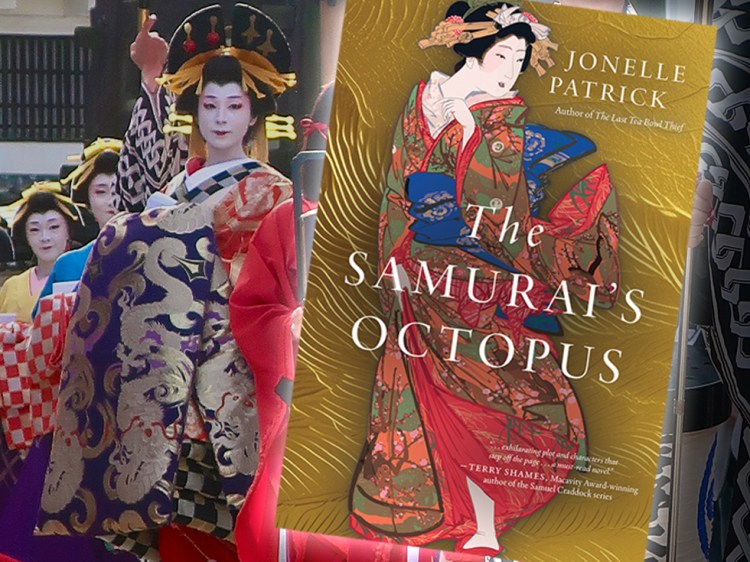
•
Will this be your new favorite mystery too?
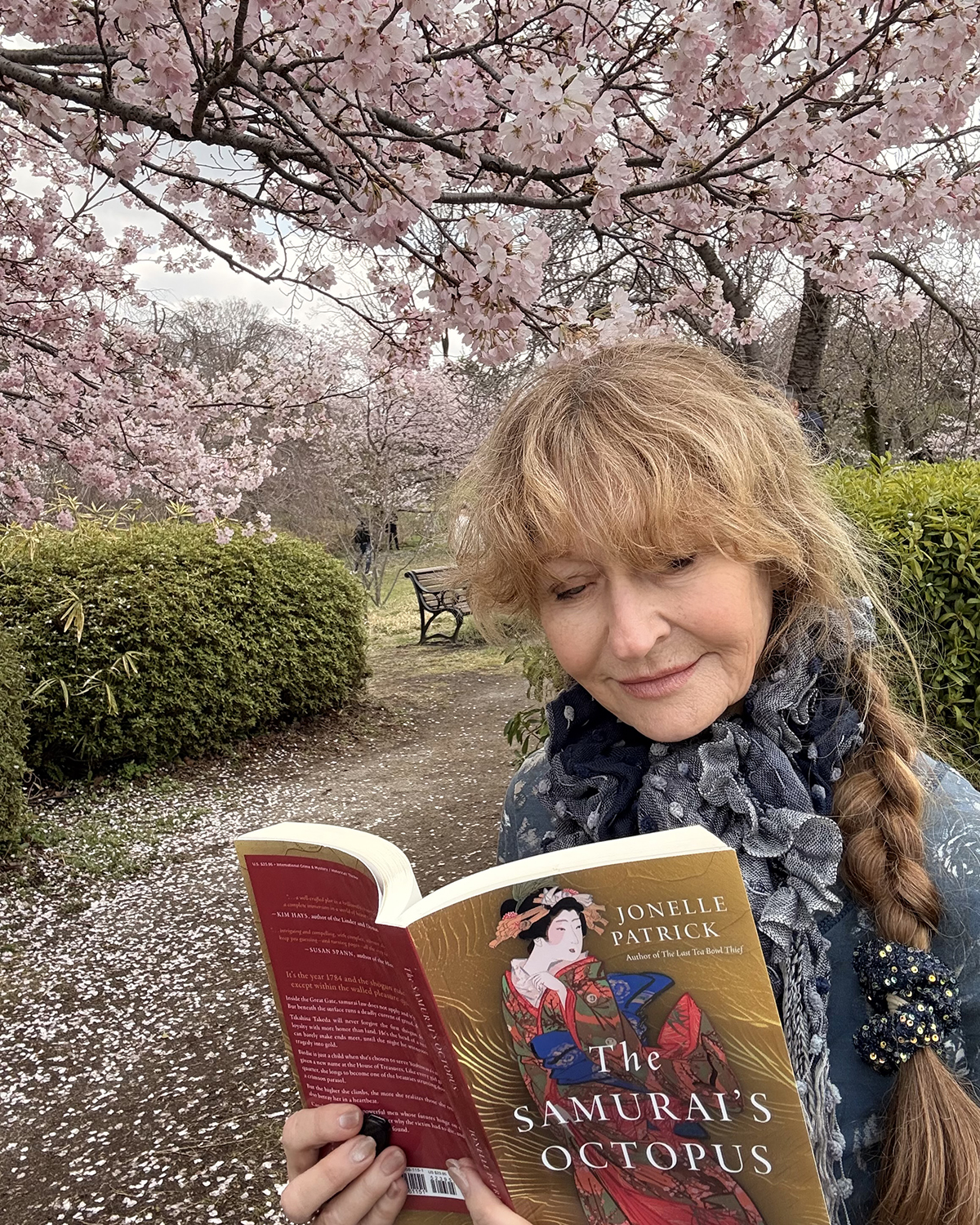
“An exhilarating plot and characters that step off the page make this a must-read novel.”
—Terry Shames, Macavity Award-winning author of the Samuel Craddock series
•
Click here for more Beyond Tokyo posts

•
Or get more must-see destinations sent to your email every month when you subscribe!
•

•
•

Jonelle Patrick writes novels set in Japan, produces the monthly Japanagram newsletter, and blogs at Only In Japan and The Tokyo Guide I Wish I’d Had

