
Q: What do the world’s biggest baseball star…

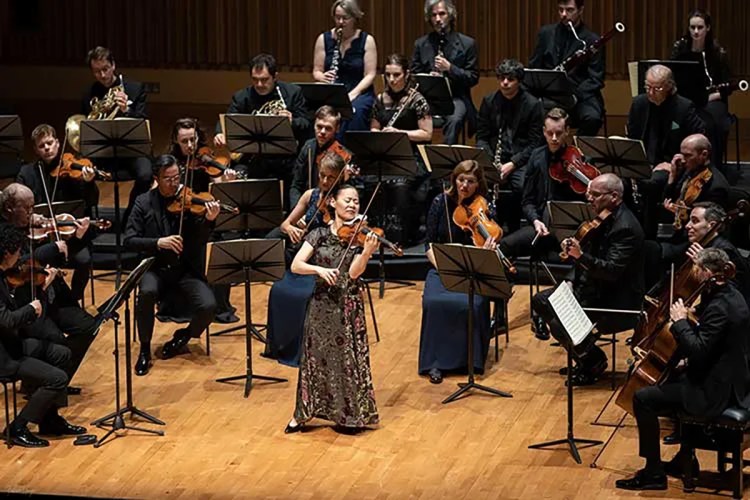
a world-class violinist…
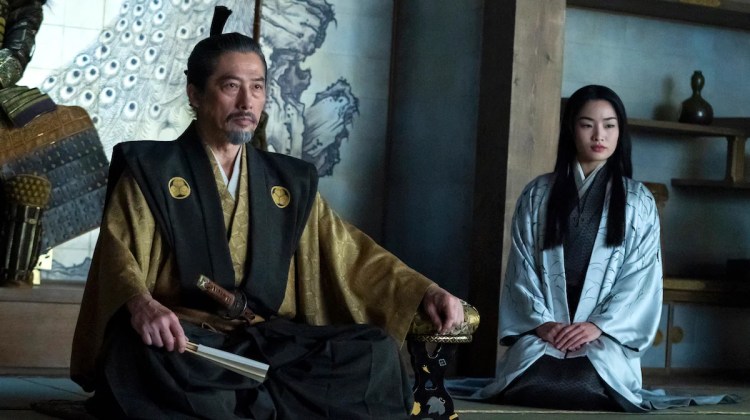
the cast and crew of a blockbuster streaming drama…
and NHK news anchors…

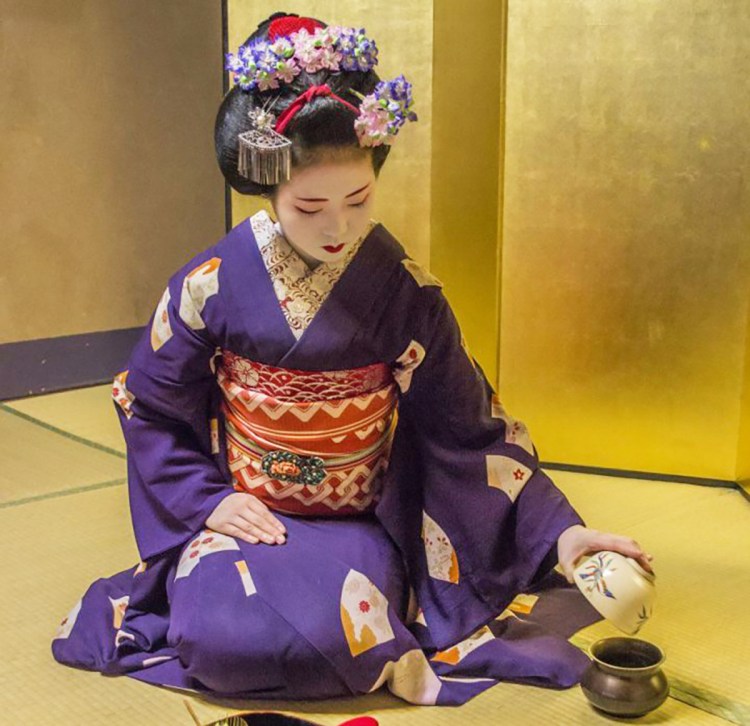
have in common with geisha…
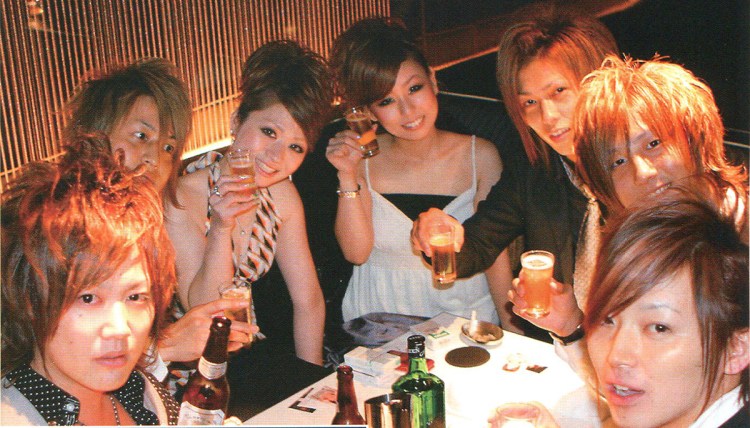
bar hostesses, and “wives for a night”?
A: They’re all card-carrying members of the same floating world that Yoshiwara’s first-rank oirans ruled over in the samurai era
But why?
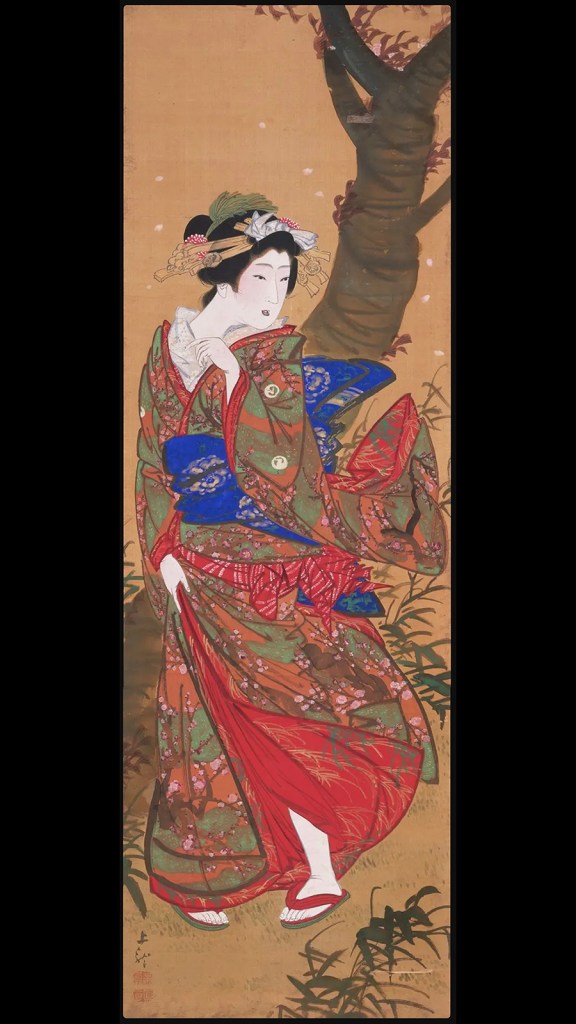
It doesn’t matter if you’re a rock star…

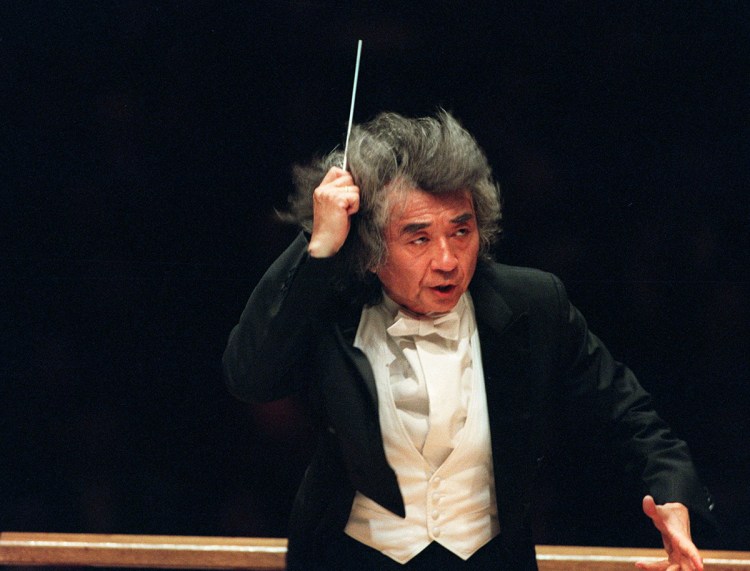
or a classical conductor…
a Golden Globe-winning movie star…

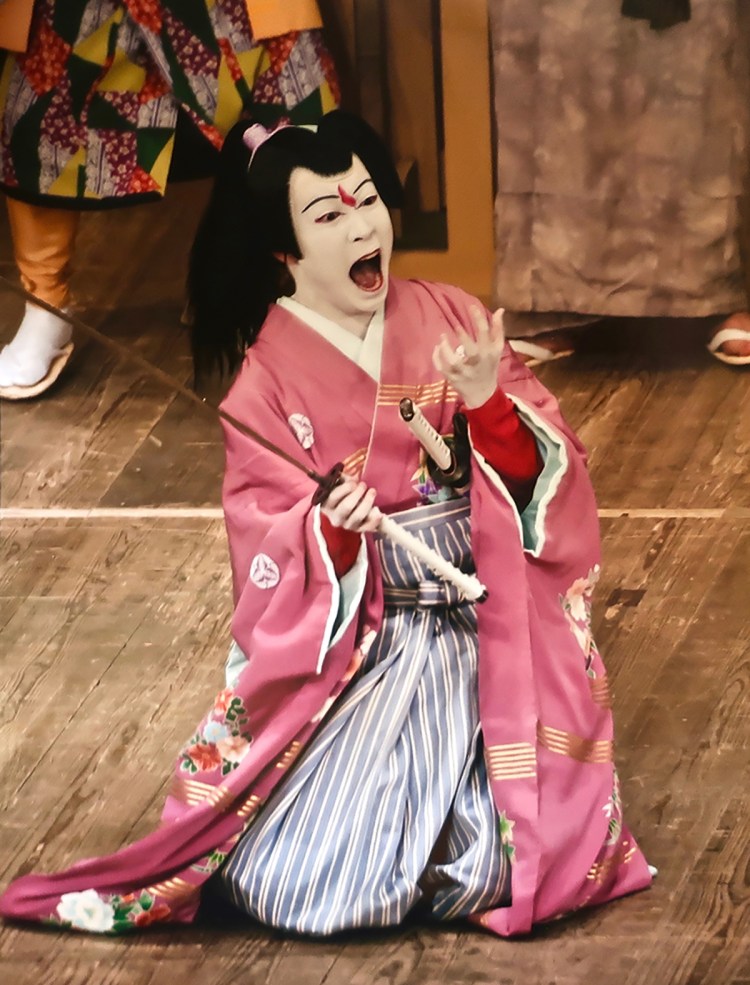
or a kabuki actor…
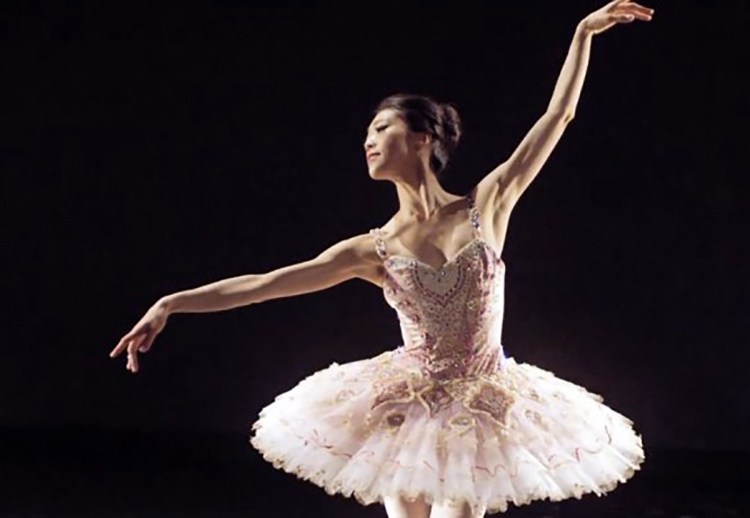
a ballerina…
or a nihon buyō dancer…
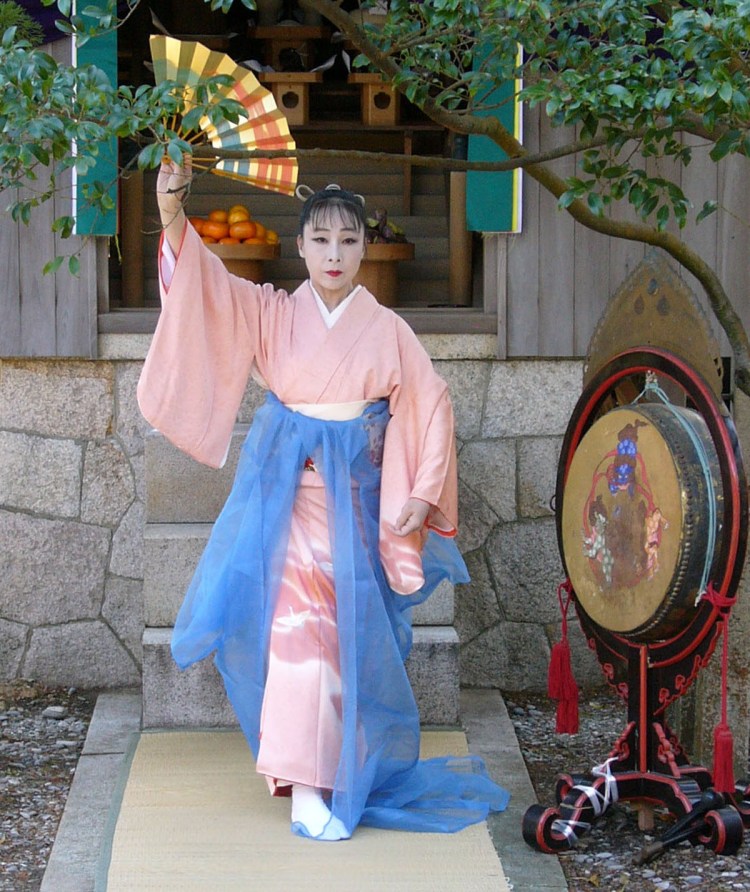
if you make a living by selling your image or your talent, you earn a living in what’s known in Japan as mizushōbai—the Floating World.
But why are people who have some of the most admired and respected jobs on earth dumped into the same category as those who sell their bodies?
First of all, it turns out that back in the Edo Period, nobody thought that selling your body was shocking, or even wrong. It was believed that men needed a regular outlet for their manly urges in order to remain healthy and strong, and providing it was no more sinful than asking people to pay for a gym membership. Successful courtesans even did brand sponsorships, like celebrities today.
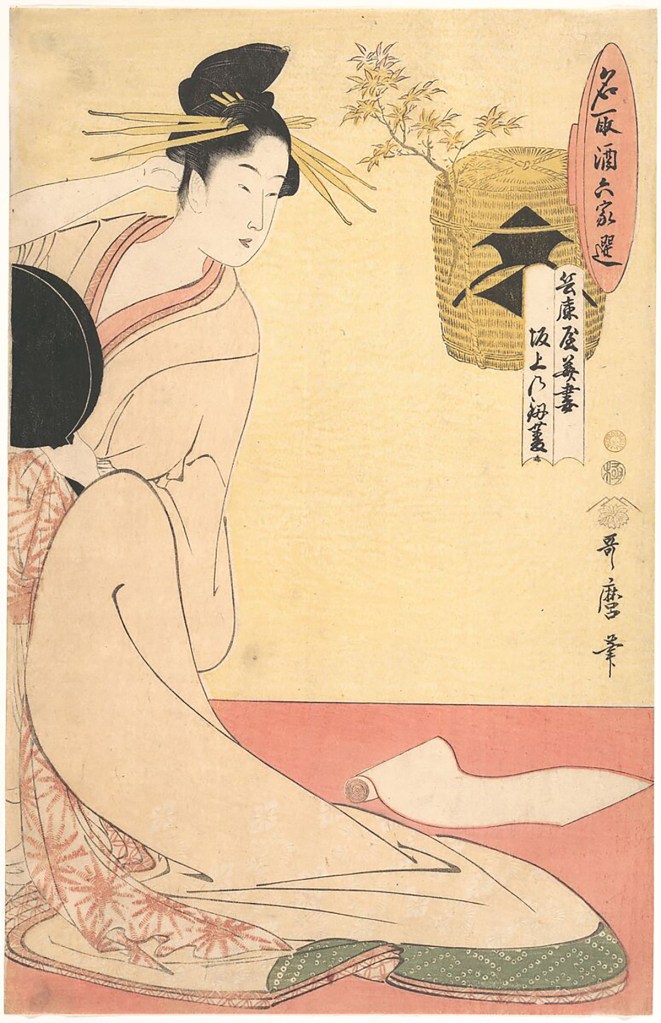
What earned courtesans the disapproval of Edo society wasn’t that they sold their bodies, it was that they sold intimacy. They sold the illusion that they cared about the men who paid them. They persuaded their patrons that the kind of beautiful, accomplished, witty woman who’d never look twice at them outside the Great Gate had fallen in love with them. While he was with her, she made him believe he was the center of her universe.
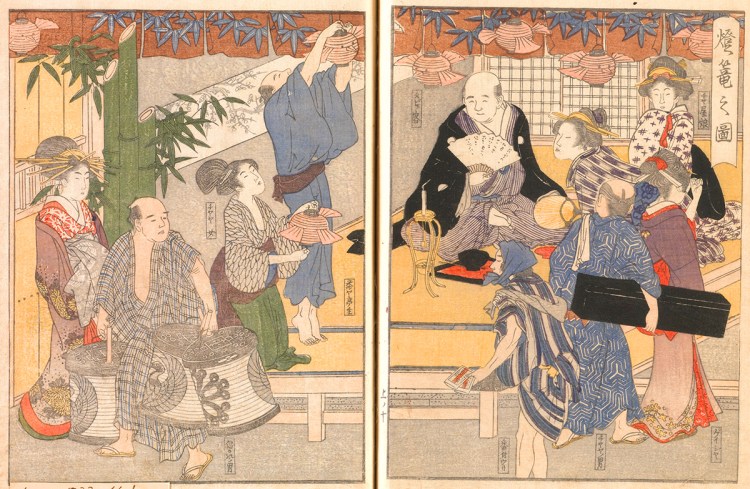
And that was dangerous. Because she also enticed him to spend money on her (lots of money, if she was a first-rank oiran) that ought to have been used to support his family. And neglecting one’s family was very serious business in feudal Japan, where the entire system rested on the principle that children obeyed their parents, a wife obeyed her husband, and her husband obeyed the shōgun. In return for their absolute obedience, the shōgun took care of his vassals, the vassals took care of their wives, and the wives took care of the children, who were brought up to know their place and be model Japanese citizens.
Disrupting that rigid order threatened the web of obligation that kept the shōgun in power. It was bad for the shōgun’s business, and everyone who relied on the status quo to survive.
But what does that have to do with baseball stars and ballerinas?

Watching celebrities do what they do well moves us, whether it’s hitting a home run, becoming a beloved character on TV, being a trusted source of what’s happening in the world or landing a grand jeté. Their performance kindles a personal connection, inspires devotion. It’s why the gossip pages will never lack for readers, and fan clubs will never lack for members. Everyone who makes a living selling their talents is actually selling a form of intimacy.
But intimacy is something that most people agree should be earned, not bought, so if you make a piece of yourself available for consumption—whether it’s your own body or the ability to hit a gland slam to delight your fans—you belong to the Floating World.
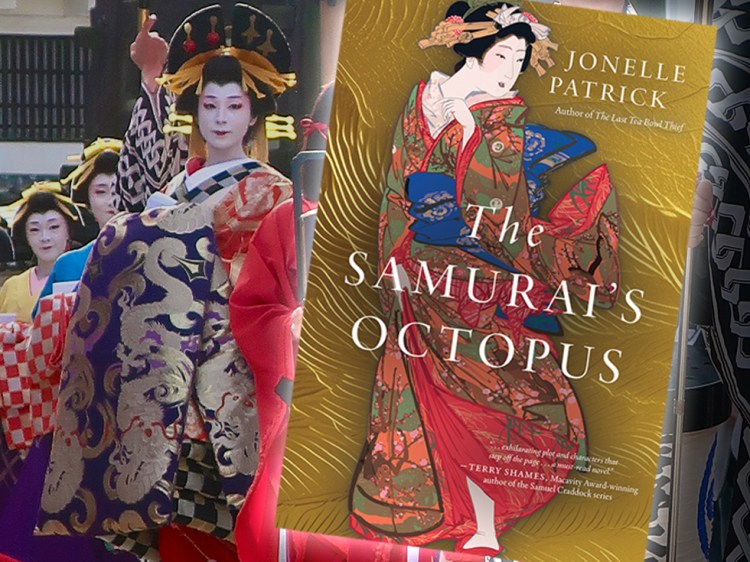
Courtesans weren’t the only ones who seemed to be selling one thing, but were actually selling another! Here’s an excerpt from The Samurai’s Octopus, in which we learn the answer to that age-old question, “When is an eel not an eel?”…

Birdie whips off her apron and trips down the stairs. Tiger is in the entry, striking a nonchalant pose (as if he wears silk kimonos every day), stroking that thing he calls a goatee.
“Since when can you afford to dress like that?” She aims a scornful eye at the gaudy red and black silk. His career as a pleasure quarter guide must really be taking off. He has a new netsuke hanging from his sash, and it might even be ivory. She squints at it.
“What are those supposed to be? Eels?” Eww. “Why eels?”
“Eels are the future,” he informs her. Stepping out of his geta and following her through the kitchen to their favorite perch on the back steps, he boasts, “They may not be much to look at, but eels are going to make me rich.”
“Like the one-eyed man who barbeques them over by the moat?” Easily the scruffiest vendor in Yoshiwara. “How do you plan to get rich selling eels?”
“I’m not selling eels.” Tiger grins. “I’m selling forgiveness.”
“Forgiveness?”
“Yeah.” He plops down next to her on the top step and produces a bag of rice crackers. “It works like this. I pay the kids who live by the moat one mon for every ten live eels they catch, then I turn around and resell them for one monapiece to men who wake up in Yoshiwara with a splitting headache and a guilty conscience. The customers run off to release the eels back into the moat and go home believing they’re back on the righteous path to Buddha-hood, and that saving some innocent eels from death by barbeque balances out whatever sins they committed the night before.” He offers the crackers to Birdie, then tosses a handful in his mouth. “It’s the perfect business.” Crunch, crunch. “The eels don’t mind, the customer goes home with a clear conscience, and both me and the kids make money.”
Would you like to keep reading?
•

Jonelle Patrick writes novels set in Japan, and blogs at Only In Japan and The Tokyo Guide I Wish I’d Had

