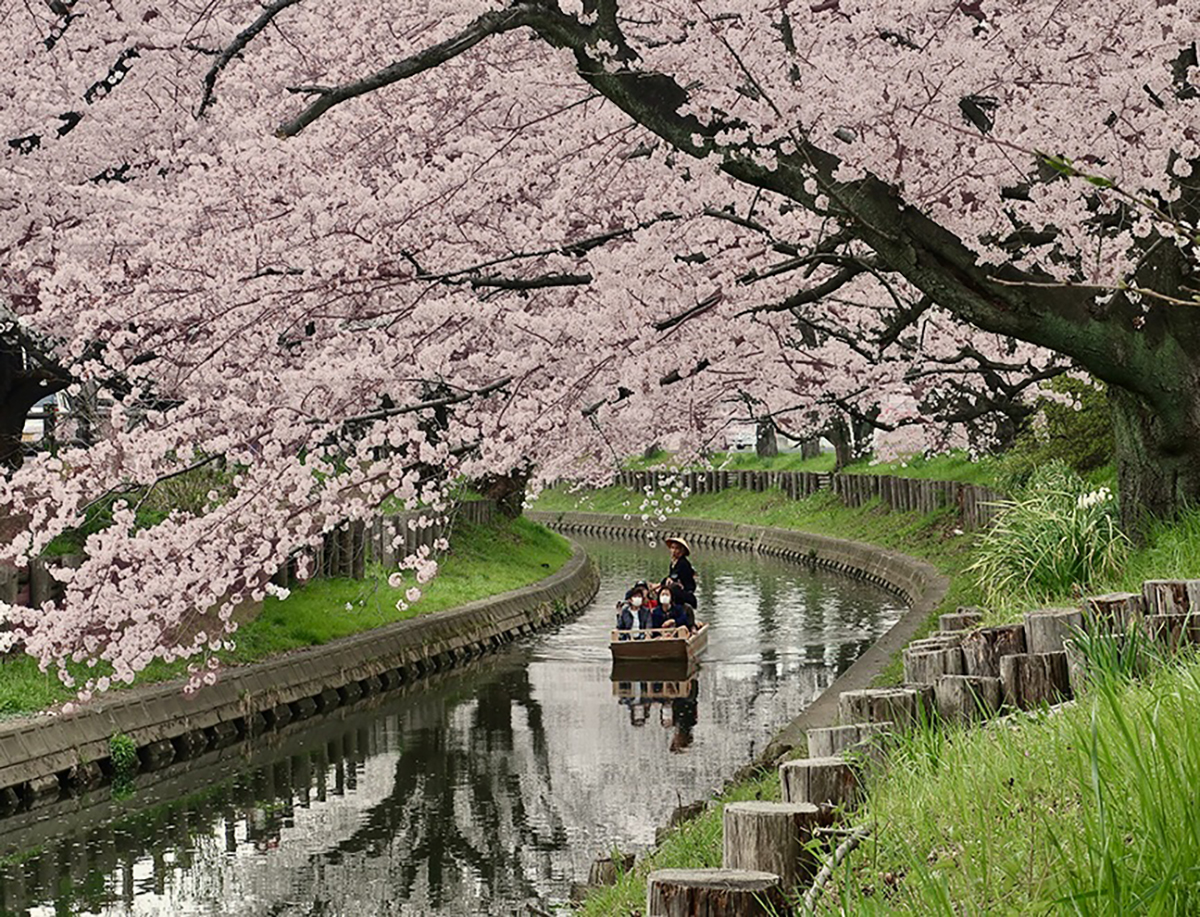
What’s it like to live in a country without immigration? Well…this.
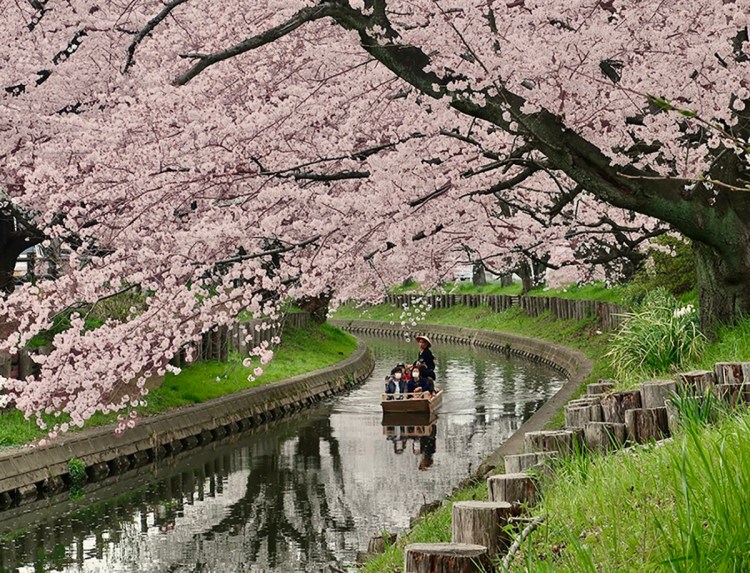
Japan’s refusal to welcome outsiders is no let’s-jump-on-the-bandwagon reaction to a worldwide hardening against immigration—they’re masters of the art, because they’ve been keeping foreigners out for centuries. One of the first things the shōgun did at the beginning of the samurai era (1603-1868) was to kick out the few foreign missionaries and traders who had managed to gain a toehold, and slam the borders shut. After 1639, even Japanese citizens weren’t allowed go out or come back in. This was easily enforced, of course, because Japan is an island nation, and isolation is basically the default setting.
Even after Japan “opened” again to the West in 1868, foreign technology and goods were eagerly welcomed, foreign people not so much. To this day, the population is still 97% ethnically Japanese.
Which is what makes Japan the perfect experiment to see how a “no immigration” policy plays out over time.
What does a nation without immigration look like?
When everyone comes from the same ethnic and cultural background,
they don’t just look alike, they also think and act alike
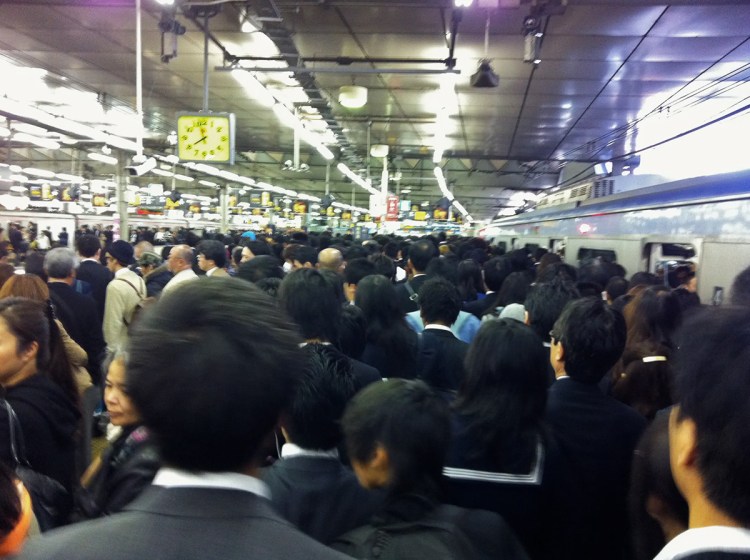
It turns out, when you live in a country that only has to sell four sizes of women’s clothing (equivalent to sizes 0, 2, 4 and 6 in the US) and produce cosmetics in colors that look good on Japanese people, you can also stream millions of commuters through the train station ticket gates without even slowing down, because the system is designed for people who know how to do it and don’t deviate from the plan. Men dress for success in nearly identical 3-button black suits, and women respectfully wear a navy skirt suit and low pumps to every school event, to show their commitment to bringing up their children to fit in and be good Japanese citizens.
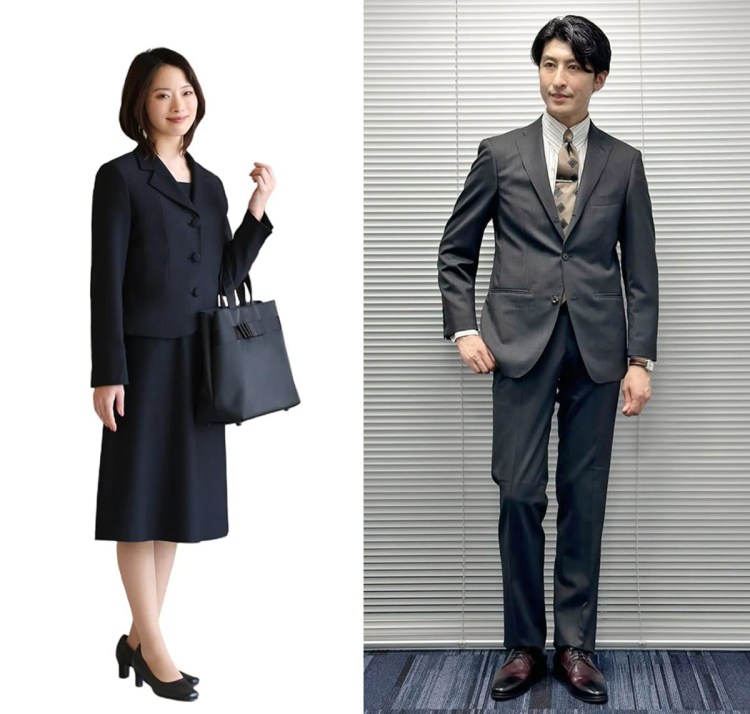
That’s because one of the core principles of being Japanese is that every aspect of life has been studied for best practices, and everyone agrees there is one right way to do things. Coming up with new (or, heaven forbid, radical) ways to do things is discouraged. Which means…
They’re great at going from one to ten, but not so hot at zero to one.
Japanese companies are famous for improving and perfecting every product they manufacture. From cars to the way snacks are engineered…

you won’t find better products anywhere in the world. With teamwork and singleness of purpose, they can take a version 1.0 invention with plenty of bugs to work out and perfect it into an international bestseller.
That strength is both the cause and the effect of the conformity taught in every Japanese school. Imagining “innovative” new ways of doing things is discouraged, and people who might bring foreign ideas (or technical advances) that make the approved Japanese ways of doing things obsolete are either forbidden to enter the country or not allowed to stay long enough to change anything.
Which is why they brought a knife to a gun fight.
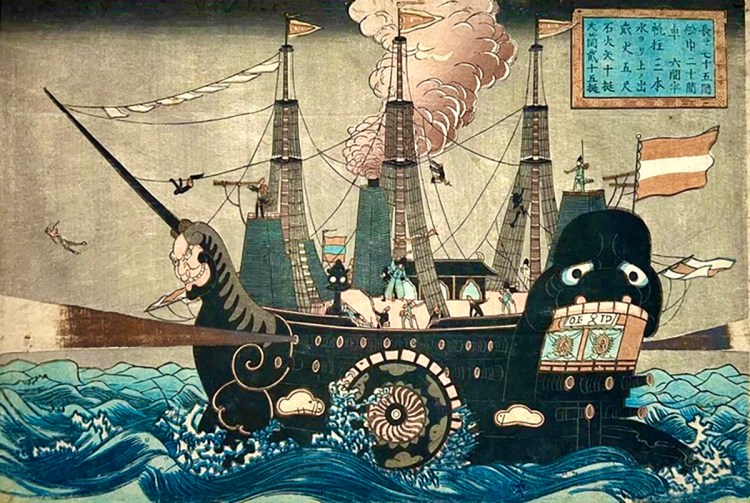
The reason the samurai era abruptly ended in 1868 is that Commodore Perry showed up with gunships, and all Japan had were swords. They were great swords. The best swords. Swords so sharp and strong they were rated by how many condemned criminals’ bodies they could cut through in a single swipe.
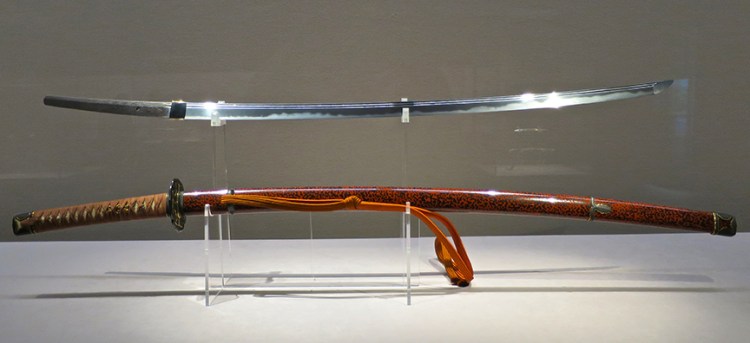
But they were no match for the horrible weapons other countries had been inventing to kill each other with while Japan had cut itself off from the rest of the world.
These days, of course, Japanese citizens can freely travel anywhere in the world, but that also means innovative thinkers who are not rewarded for challenging their superiors in their home country tend to leave for greener pastures. Physicist Syukuro Manabe left Japan for the US early in his career, but when he won the Nobel Prize, Japan was quick to claim him as a native son. He was just as quick to tell the media, “I came to the United States…because I’m not capable of living harmoniously [in Japan]. Learning from disagreement is extremely important for science. But in Japan, it is rare for people to disagree with people to their face, even if they publish completely different research results.”
Now, those who are against immigration in general might make an exception for a brilliant physicist….
…but why not shut out poor, uneducated people who immigrate solely to take advantage of better pay? Doesn’t keeping them out save the government money and make life better for Japanese citizens?
Okay, before we tackle that, we need to talk about the elephant in the room:

Any discussion of whether a country benefits from immigration or not needs to acknowledge the swiftly declining birthrate among native citizens in nearly all first-world countries. Simply put, fewer babies means fewer future consumers and taxpayers, so the economic forecast for countries with less than replacement birthrates is eventually going to look like Japan’s, where the population has been producing fewer than 2.1 children per family for over fifty years. In 2026, there are only 1.3 taxpaying workers supporting every retired person’s pensions and benefits in Japan. Without immigrants to make up (at least in part) for the babies no longer being born, the economy shrinks as fast as the population, just as the government’s burden of caring for an aging citizenry is growing.
But what does a shrinking population and economy look like at street level? Read on…
No immigration + shrinking population = lots of empty houses
You’ve probably heard of the nine million empty farmhouses (that’s a real number, not an exaggeration) in lovely rural Japan that they’re giving away for free, or nearly free.
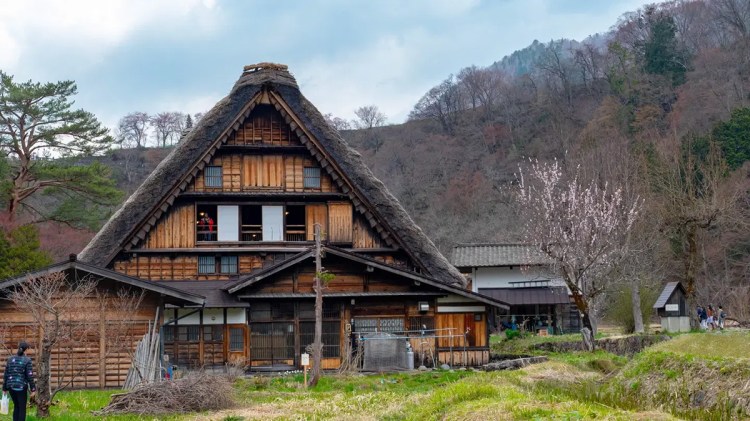
But not many people are explaining why nobody lives in them. I wrote a more detailed explanation of why you shouldn’t fall in love with that $25,000 Japanese farmhouse in a previous Japanagram, but in a nutshell:
Falling population—a combination of low birthrate and no immigration—means that in many cases, there’s no next generation to inherit and live in grandma’s old house in the countryside. But there’s no way to sell that house, because nobody wants to buy it. Falling population means that local industries can no longer recruit enough qualified workers to staff their operations, so they have to relocate closer to population centers. With big employers gone, young families also have to move where the jobs are, because even those who work in grocery stores and shoe shops can’t survive merely catering to the remaining (mostly retired) population. And finally, even the retirees have to leave, because there’s no longer enough taxpayer base to support hospitals, fire stations, and police.
Which perversely means that rent in big cities like Tokyo and Osaka keeps going up due to increased demand, and rural towns and villages are increasingly abandoned.
Love self-checkout? Get ready for more
It’s no surprise that after the covid pandemic, the very first outsiders allowed to enter the country in over two years were foreign graduate students. Why? Without access to that source of capable, Japanese-speaking, part-time workers, many convenience stores had to either close or severely cut back on their commitment to be open 24 hours a day, due to lack of staff.
As the population shrinks, companies are competing for increasingly fewer workers, and less-attractive service jobs are becoming harder to fill. Companies try to solve the problem by offering higher wages—leading to inflation—but even then, there just aren’t enough workers to staff some businesses and provide the level of service expected. Workers frequently jump from job to job to take advantage of wage competition, meaning that the number of people with training and experience in any given job is going down, and so is the quality of service.
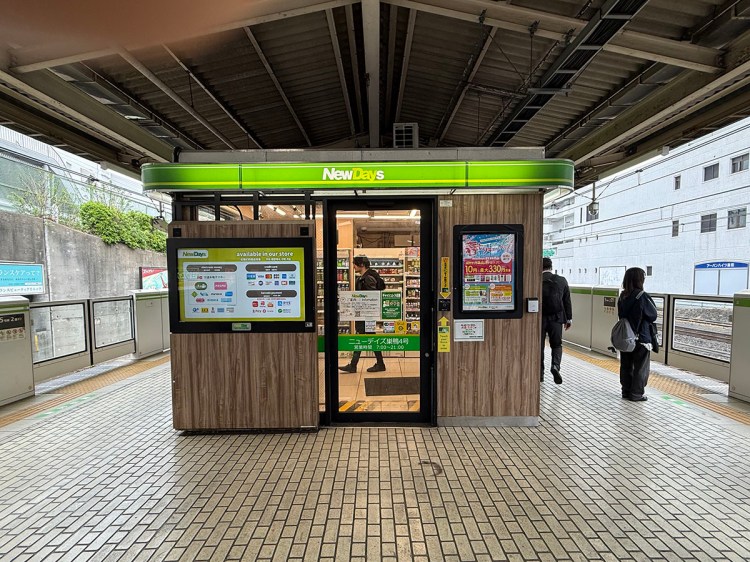
There has also been surge in self-serve checkout in the past five years. Nearly every grocery, convenience store, and drugstore (not to mention the ¥100 shops) has been remodeled to shift cashier functions to self-service kiosks. They’re even rolling out completely unmanned convenience shops at some train stations, where you enter and pay using your transit card.
Our new robot overlords…or not
Manning a checkstand isn’t the only service job going begging, but some of the others can’t be so easily automated. So far, attempts to build robots to do the things actually necessary to care for the elderly have ranged from not useful enough to unwieldy.
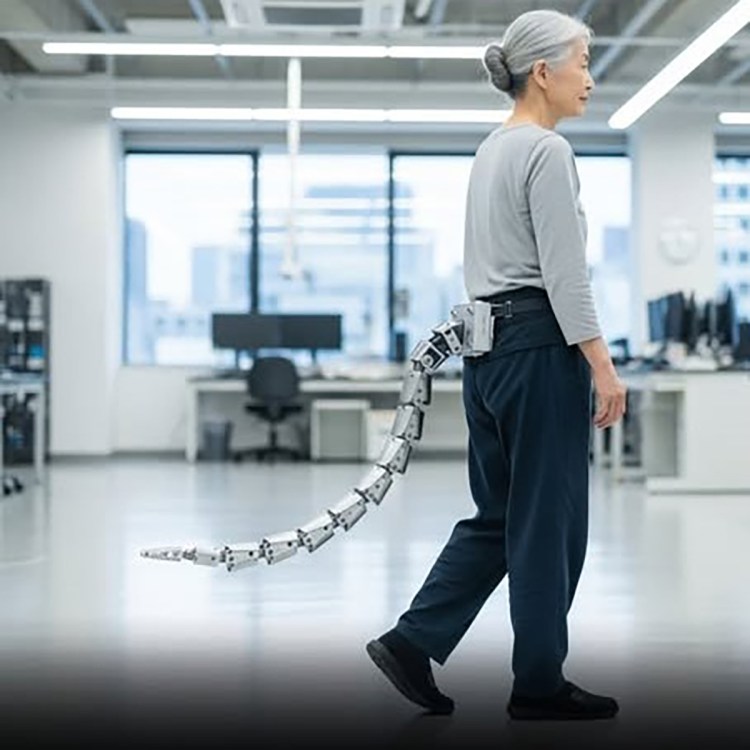
Eldercare and staffing the restaurant kitchens and hotels that keep the tourist industry humming are two of the biggest problems that have been resistant to automation, and it remains to be seen how refusing to consider immigration as a way of solving those issues works out for Japan in the coming years.
Japan is a perfect example of the kind of changes that occur over time with a policy of banning immigrants. Will other countries follow suit, or learn from Japan’s experience?
•
The real world of the Yoshiwara pleasure quarter was even stranger than fiction. Let’s meet Birdie, who earns her keep as an oiran’s living fashion accessory…
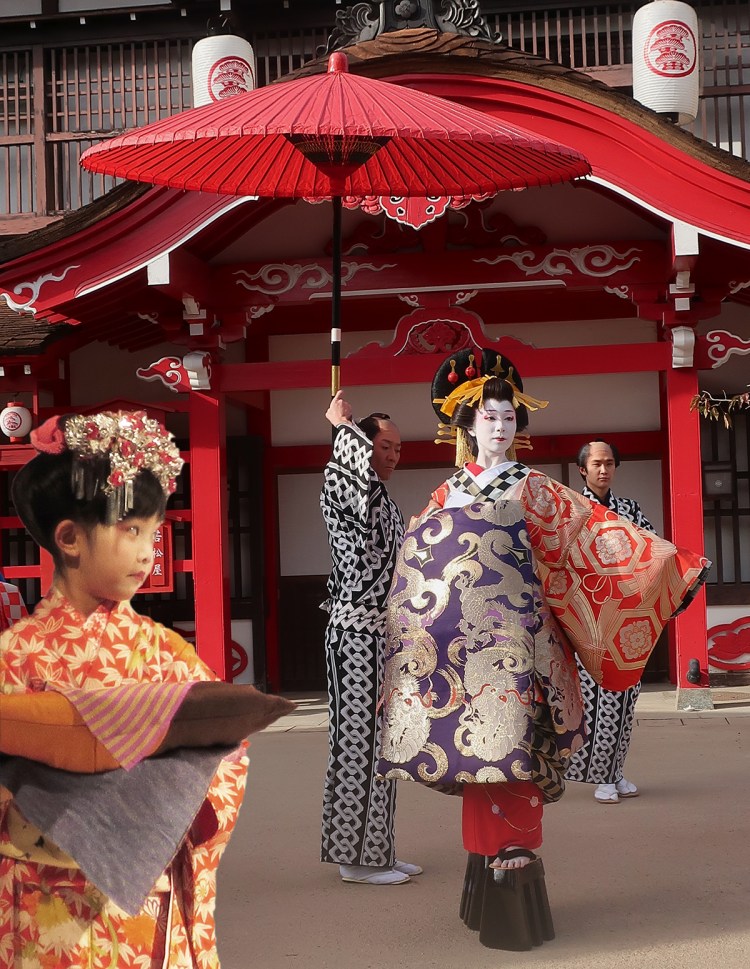
Birdie stretches onto her toes to peer past the swaying white lantern being carried ahead of her on a long pole by one of the Treasures’ manservants, but tonight the pleasure quarter is so crowded, she can’t see a thing. Why do grown-ups have to be so tall?
Step. Wait. Step. Wait. The new thong on her geta is rubbing a sore spot on her right foot, but she learned the hard way not to stop and fix her shoe or make a face at Tiger, who is trying to make her laugh by making farting noises as he darts in and out of the crowd. A child attendant who delays an oiran’s procession is a child attendant who will regret it. Because she and Flower have a job to do. An important job. The second-rank courtesans are there to look pretty—but not too pretty—so their oiran shines like a jewel amid a bouquet of flowers. But it’s the innocent child attendants like her and Flower who make Pearl look so alluring by comparison that every man who sees her longs to possess her.
Step. Wait. Step. Wait. It’s so much harder to walk slow than fast. None of them are allowed to move any faster than Pearl’s oiran strut, which is designed for seduction, not speed. With every step, she kicks her ankle out to the side, flipping the weighted hem of her kimono to reveal a flash of scandalously red underrobe and a sliver of bare foot. It’s harder than it looks (Birdie has, of course, tried it at home) because an oiran must manage the strut in okobo, the tall platforms that make Pearl more than three handspans taller. Tonight, she’s also weighed down by the heavy brocade sash that was a gift from tonight’s patron. The pink and gold checkered obi is tied in an extravagant knot over her stomach and cascades nearly to her toes.
Birdie and Flower are wearing outfits that match, of course. The current Yoshiwara fashion is for child attendants to be dressed as twins, even though she and Flower don’t look much alike when they’re not on procession. Flower is as pretty as the Bamboo Princess, but Birdie’s eyes are too round to be fashionable and her pointy ears would inspire plenty of nervous warding against fox spirits if anyone caught sight of them. Lucky for her, her elaborate child attendant hairstyle and ornaments are excellent at hiding them.
Today’s adornments have rows upon rows of silver strips dangling below. Birdie shakes her head and smiles at the swishy feeling and the merry tinkle, taking advantage of Auntie being too far away to scold her. She and Flower aren’t expected to ignore the spectators as if everyone is beneath them—in fact, their job is to look around and report on everyone they see—but any fooling around that might damage the costly ornaments would earn her a sharp word if Auntie weren’t stuck at the back of the procession, where a drab house manager belongs.
A plume of smoke that’s fragrant with charcoal and grilling chicken blinds her as they round the corner onto Teahouse Street. How long has it been since she ate that bowl of—
“. . . assure you I heard it on the very best authority.”
Birdie’s head swivels toward the familiar voice. Shouldn’t the Third Magistrate already be at the Five Fans, enjoying his first flask of sake? Pearl won’t be happy if her patron isn’t waiting when she arrives. Why is he still standing outside the Camellia, talking to a man who—
Oh dear. Even the boy they call Porridge Face didn’t have the smallpox that bad.
She catches the Third Magistrate’s eye and gives him a dimpled smile, but quickly looks away when the scarred man turns his gaze in her direction. She can’t let him think she was smiling at him. Pearl won’t like it if she gives the wrong kind of man reason to hope he’d be welcomed at the House of Treasures. An oiran gets to pick and choose who she entertains, and that man is definitely not her type. Too frowny, too ugly, too old.
She glances at Flower, gives her twin a nudge to remind her to at least pretend not to be tired. It’s only a little farther, see? There’s the Five Fans up ahead. All they have to do is make it inside, and the hardest part of their day will be over. But until they get to the teahouse, they must stand up straight and look around with pleasant smiles, even if they don’t feel like it. They must pretend they’re delighted to see every House of Treasures customer, even if they’re not.
Because that’s the way things are done in Yoshiwara. Nothing has to be true, as long as everyone believes it’s true.
Would you like to keep reading?
•For f••
•
If you enjoyed this, subscribe! It’s free!

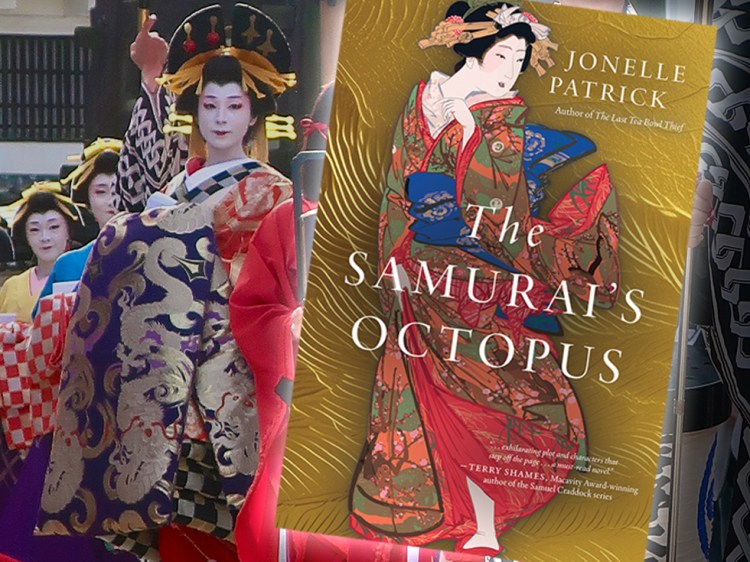
The last thing Birdie wants to do is turn her life upside down solving a murder that was committed before she was born...

Birdie is a true daughter of the pleasure quarter. The number one apprentice to Yoshiwara’s number one courtesan, she’d rather do anything than derail her future life of wearing opulent robes and entertaining lords of the land. But when her search for the mother she never knew takes a dangerous turn, she faces an impossible choice: betray her own flesh and blood, or live the rest of her life being hunted by a powerful man who won’t stop until they’re both dead…

Jonelle Patrick writes novels set in Japan, and blogs at Only In Japan and The Tokyo Guide I Wish I’d Had

