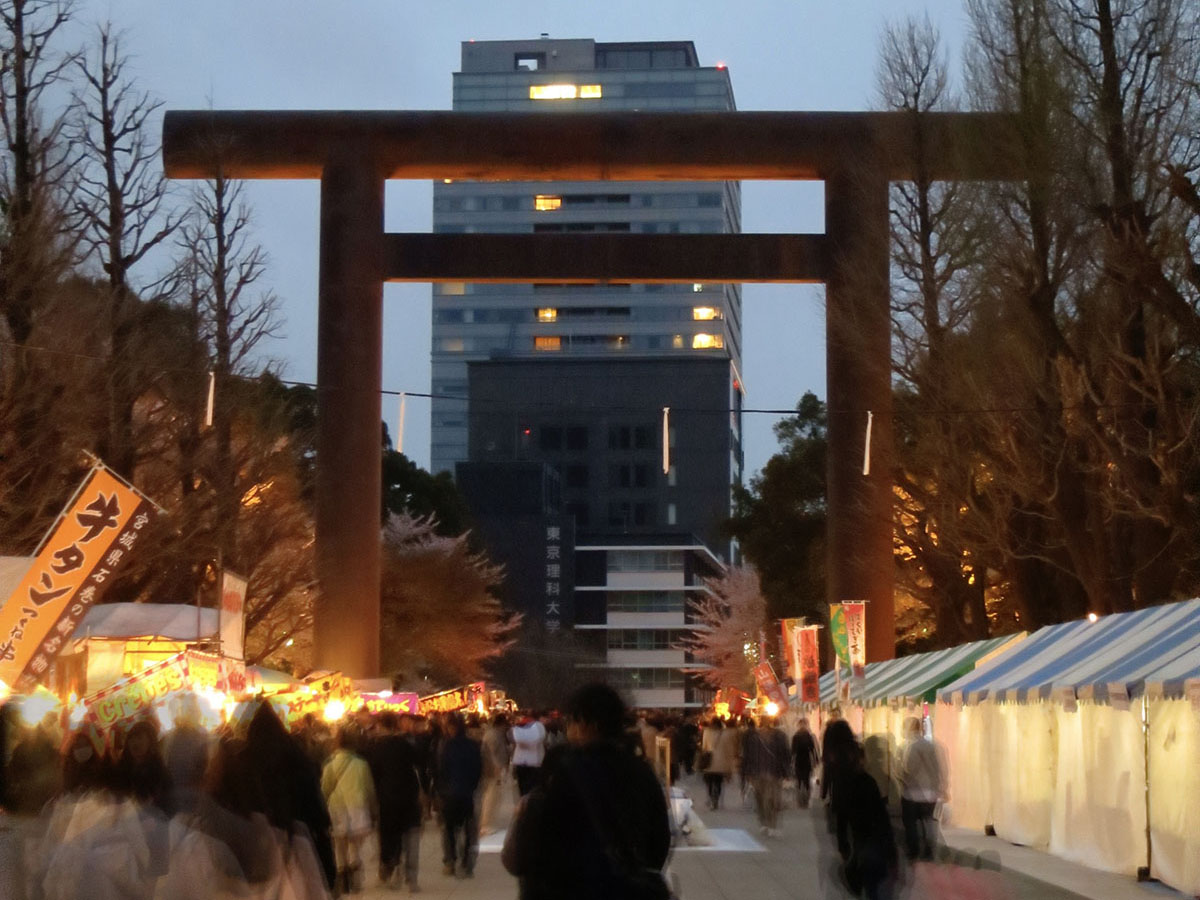
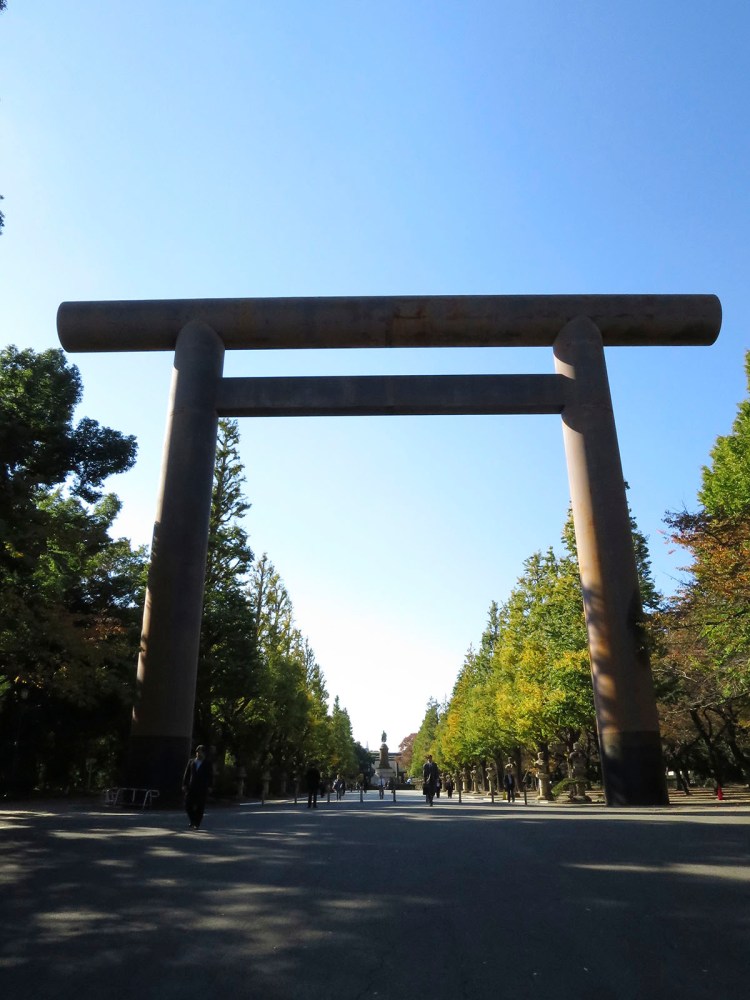
The Yasukuni Shrine in Tokyo is truly majestic. Not only is it a premier example of an Imperial cedar and gold Shinto shrine…
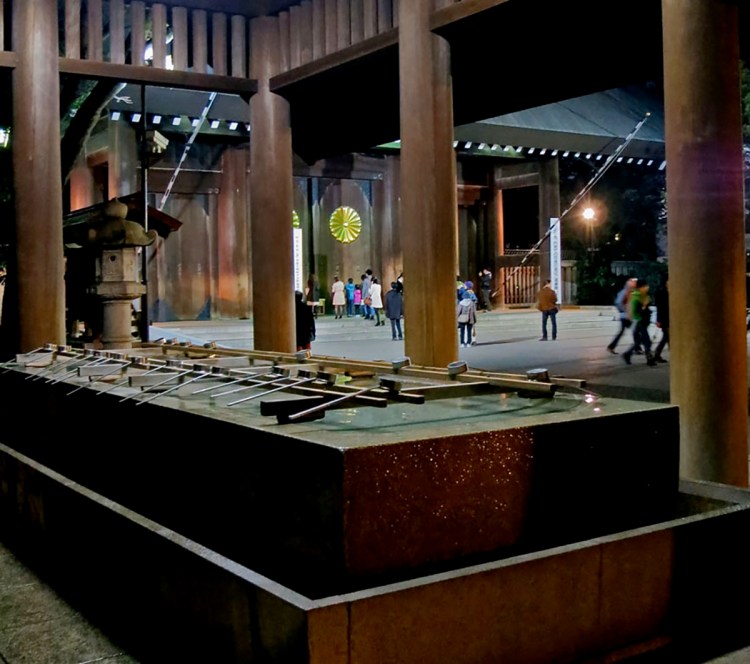
it hosts one of summer’s biggest festivals…
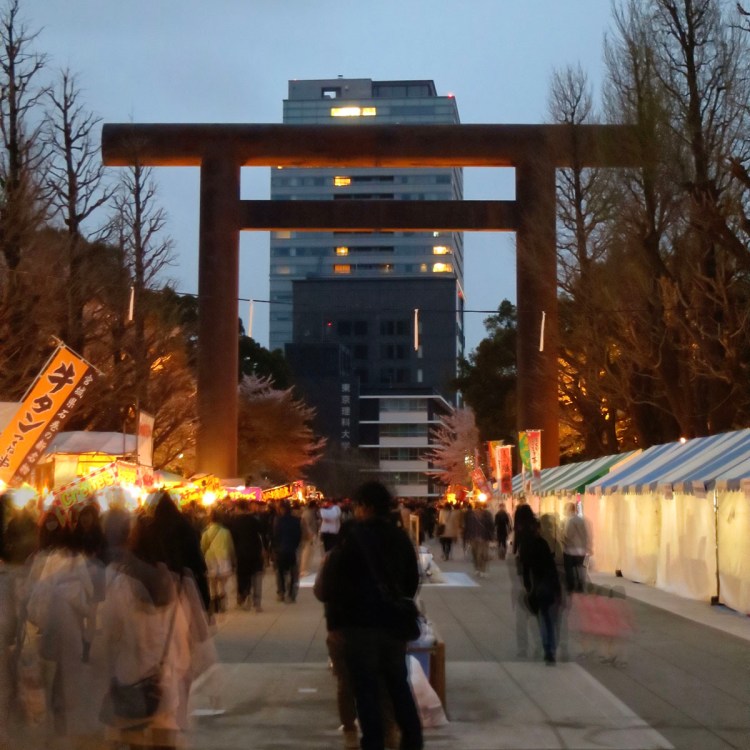
and features top-notch performances of traditional dance, music, Noh drama, fine handcrafts and street food at its other seasonal celebrations. It’s got a sumo ring, comprehensive WWII museum, and a garden with a lovely koi pond.
So why does the Yasukuni Shrine spark newsworthy outrage every time a public figure goes there to pay his or her respects?
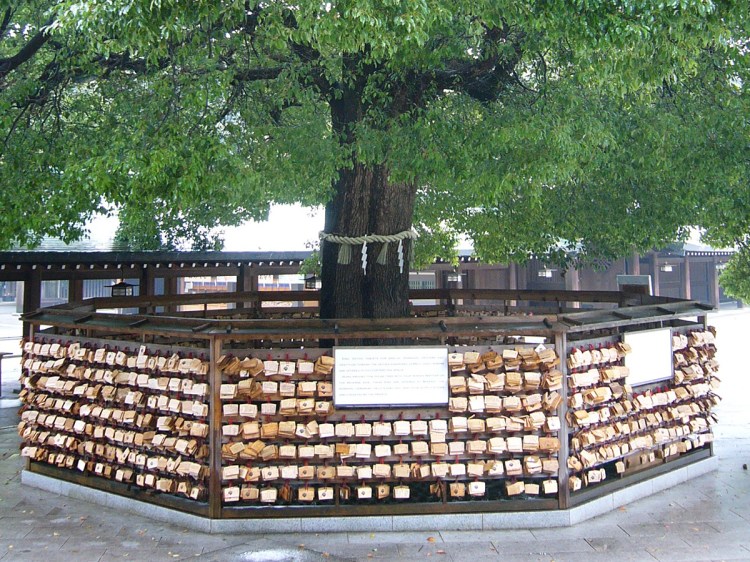
To understand that, the first thing to know is that the Yasukuni Shrine is a Shinto shrine, and Shintoism involves the worship of spirits that dwell in specific places. Like monumental trees…
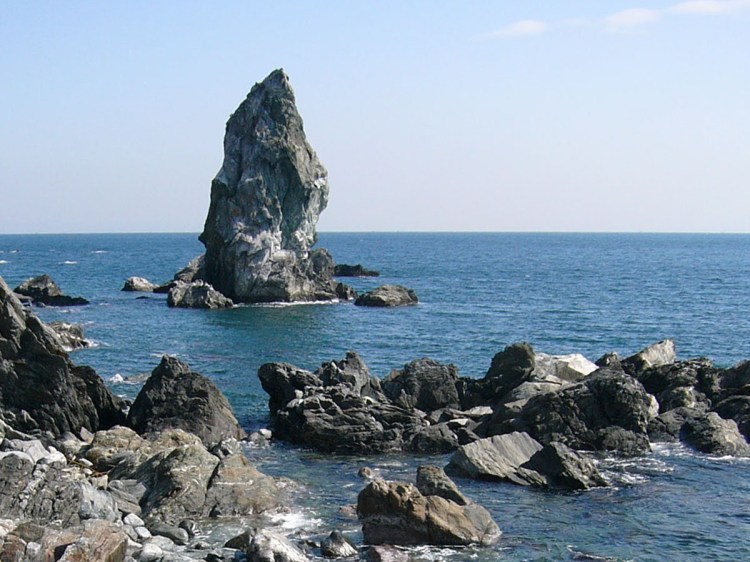
noteworthy rocks…
especially beautiful waterfalls…
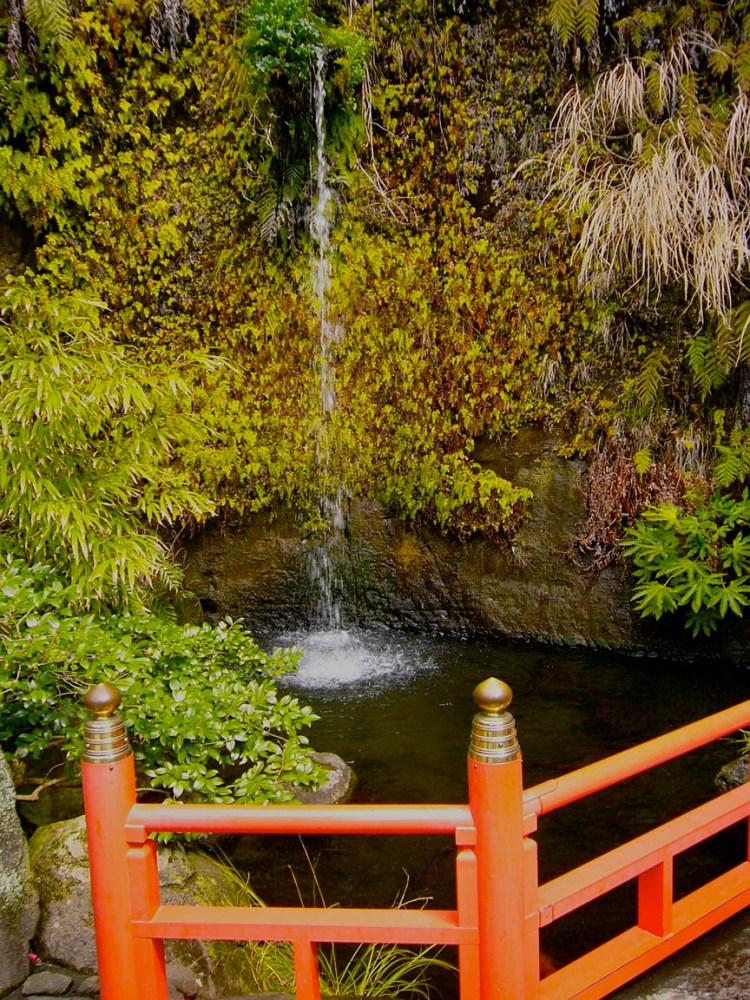
and other pieces of choice Japanese scenery. And because all living things (as well as some that aren’t) are believed to possess spirits, they have the power to bestow blessings or create mischief, so it’s customary to keep on their good side by offering coins and prayers at Shinto shrines.
That goes for humans too. The souls of departed humans may also inhabit specific places, and if you want Grandfather’s blessing on your upcoming marriage, you’d better visit your family’s shrine and ask him.
But what shrine does the emperor of Japan go to?
An Imperial shrine, of course. There are plenty of them.
The Yasukuni Shrine was founded by the Meiji emperor in 1869, after the bloody battles that deposed the shōgun’s military dictatorship and made the emperor the supreme ruler of Japan once again (along with an elected parliament).
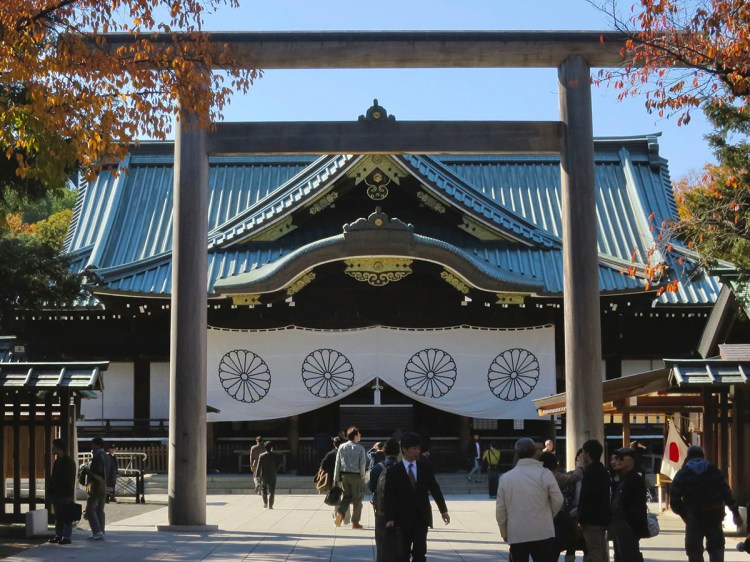
Many Japanese died on both sides, so as an act of reconciliation, the Yasukuni Shrine was founded as a place to venerate all those who died in service to their country, whether they were samurai or imperial soldier.
But the road to hell is paved with good intentions
Over time, the mission of the shrine was expanded to include enshrining the souls of all who made the ultimate sacrifice in any war, past, present or future. Including WWII.
See the Rising Sun motif on the lovely glowing lantern below? The version with rays emanating from the red sun is closely associated with the nationalists who goaded Japan into allying themselves with Germany and Italy to make war against the rest of the world.
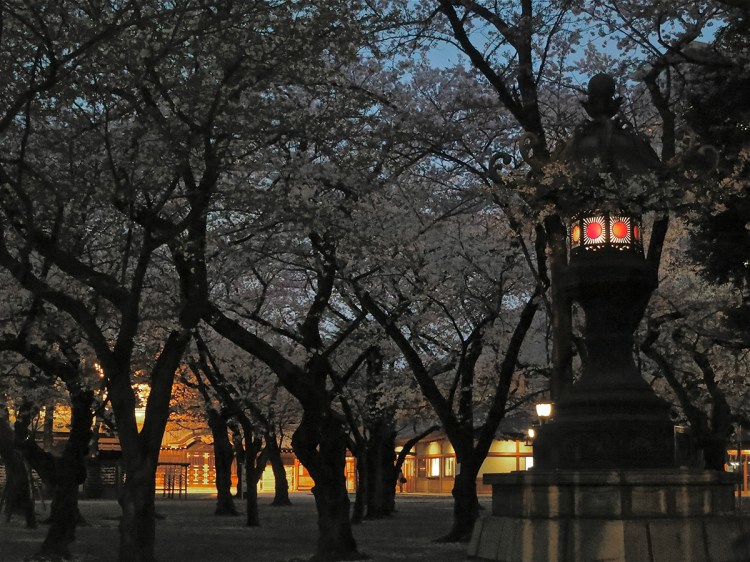
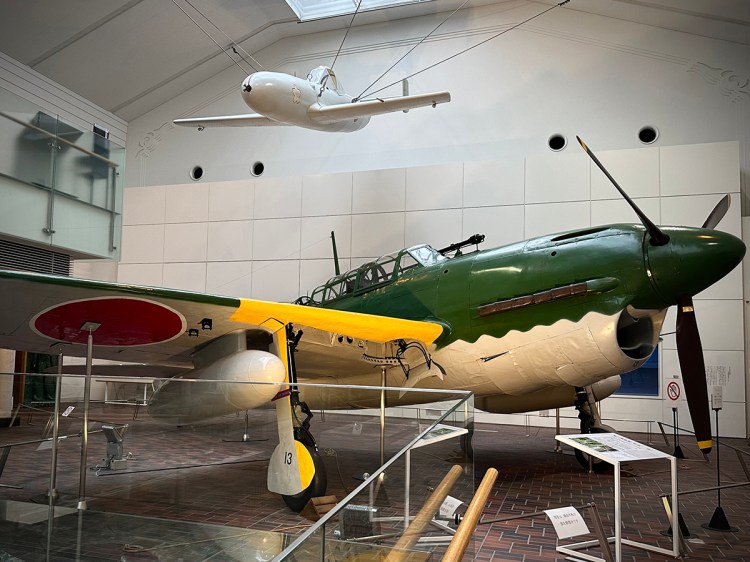
Naturally, the spirits of the WWII fallen were also welcomed into the Yasukuni Shrine, and it became the place where their descendants could go to remember and honor them. The shrine’s Yushūkan Museum pays tribute to those soldiers, sailors and airmen, with photos of every member of the Japanese military who died in the war…
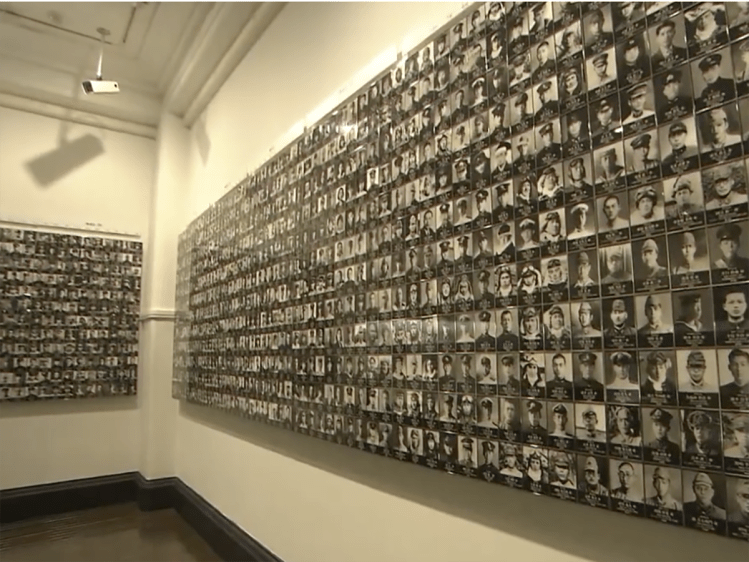
including an extensive exhibit devoted to kamikaze pilots.
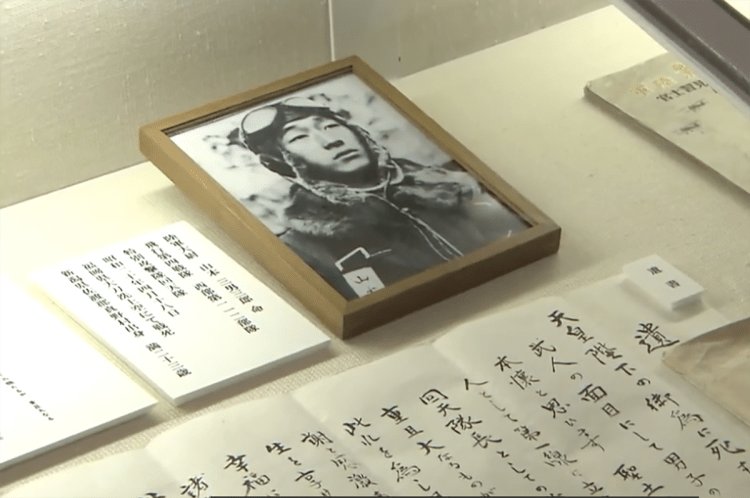
But that’s not why China and Korea release official public protests every time a Japanese government official* pays their respects. What they’re objecting to is that the Yasukuni Shrine welcomes all departed military souls to be enshrined there.
It doesn’t discriminate against convicted war criminals.
So, when a Japanese government official (or any celebrity**) pays a visit to toss a coin in the offering box, they can’t avoid making the statement that they continue to honor those who were executed for acts that the rest of the world considered atrocities. It rubs salt in the old wound that China and Korea still believe Japan has not adequately apologized for the very bad stuff they did during the war.
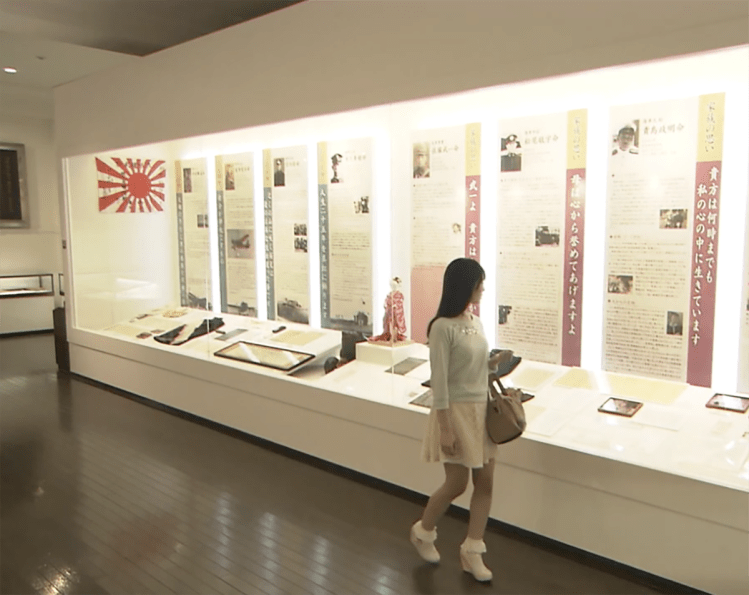
To be fair, the way Shintoism works, shrines don’t really have the power to selectively kick out undesirable spirits—there’s not much they can do to spiritually punish war criminals in the next life.
What continues to be controversial is whether the Yasukuni Shrine does enough to discourage right wing nationalists from using it as an inappropriate pilgrimage spot
One of the reasons the shrine’s Yushūkan Museum is so fascinating is that it’s the only place in the world that tells the story of WWII from the Japanese point of view. The museum itself does a fairly even-handed (and admirably detailed) job of portraying the Pacific War (as it’s called in Japan).
But the very presence of artifacts and slightly heroic focus on those who commanded the war effort—along with the sobering gallery of the many different kamikaze vehicles they so successfully used to destroy Allied ships—still has the power to stir the hearts of those who not-so-secretly sympathize with the men who believed the world would be a better place if Japan ruled all of Asia.
*The emperor and his family did apologize for Japan’s actions in WWII and have made repeated statements against violence, aggression and nationalistic hate-mongering. It’s the elected government which falls short in the eyes of its neighbors, and draws protests when sitting right-wing politicians make public offerings at the Yasukuni Shrine (especially when the politician is the Prime Minister).
**Even Western celebs are not exempt. Outraged Korean fans actually cancelled some of Justin Bieber’s concert dates after he cluelessly tossed a coin and bowed his head at the Yasukuni Shrine while in Tokyo on a tourist visit.
•
If you enjoyed this, subscribe! It’s free!

The last thing Birdie needs is to turn her life upside down solving a murder that was committed before she was born...

Birdie is a true daughter of the pleasure quarter. The number one apprentice to Yoshiwara’s number one courtesan, she’d rather do anything than derail her future life of wearing opulent robes and entertaining lords of the land. But when her search for the mother she never knew takes a dangerous turn, she faces an impossible choice: betray her own flesh and blood, or live the rest of her life being hunted by a powerful man who won’t stop until they’re both dead…

“…a complete immersion in a world of beauty, drama, secrets, and betrayals.”
—Kim Hays, author of the Polizei Bern series
•
Click here for more The Thing I Learned Today posts
•

Jonelle Patrick writes novels set in Japan, and blogs at Only In Japan and The Tokyo Guide I Wish I’d Had


One thought on “What makes the Yasukuni Shrine such a magnet for outrage?”