You know those “artist names” that get passed down from one generation to the next in Japan? I always assumed those were about art. That the passing of the torch from one generation to the next was about choosing the most gifted artist of the next generation to take their predecessor’s place at the top of the podium.
Turns out, I was wrong. It’s all about living forever.


When you see them like this—one bowl per generation—you can see the differences between them. One has straighter sides, one is more rounded, one has a thinner rim and less of a foot. But when you step back and look at them all together, without reading the tags, they could have all been made by the same man.
And they were.
Because when someone takes on the exalted artist name, his lifetime pledge isn’t to be inspired by his heritage and interpret it in brave new ways. It’s to continue that artist’s work as if he were still alive, with the same glazes, the same clay, the same aesthetic. Fifteen generations of Raku ware looks like the work of one artist who is enjoying a very, very, very, long life. Some might say an unnaturally long life. Sure, the pieces change over time, but in the kind of subtle way that an early Renoir looks different from a late Renoir, but they were both very clearly painted by Renoir.
And it’s not just pottery
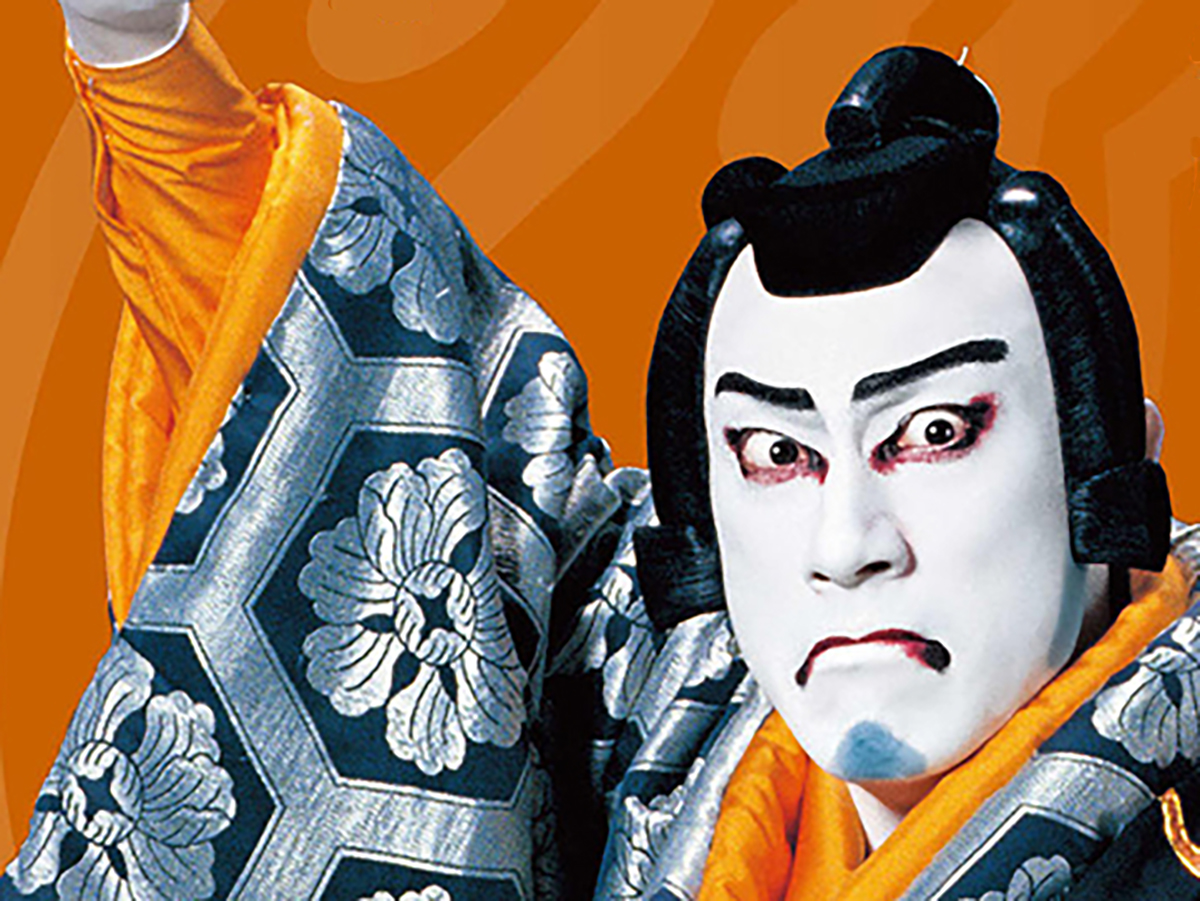
You know how kabuki actors in woodblock prints are always making this crazy face?


An artist’s name migrates from body to body, passing from one generation to the next, and each individual agrees to subvert his own individuality in the service of preserving the vision of the original holder of that name. Which raises the question—
Is it still art?
Of course it is. But this is one area where Japanese thinking can be quite different from Western thinking.
Westerners prize individual expression, novelty, and innovation—art that goes where no art has gone before. Anything that too clearly reveals its influences is dismissed as “derivative.” The Japanese, on the other hand, value the thread that runs through the work of one artist to the next, even artists who aren’t related by blood or tradition. Much like the Ise Shrine embodies a very different notion of antiquity, Japanese art prizes the core culture that’s kept alive and vibrant by artists who experiment with influences and expression, but hold fast to the traditions of their medium that haven’t changed for centuries.
But is Japanese art poorer for prizing continuity over the inspired innovations that talented keepers of the Famous Names might have produced had they not pledged to keep the torch of the original artist burning?
All I know is that I’m glad Takashi Nakazato was born the second son in the ceramics family that passes down the name of Taroemon, so he didn’t have to make that choice. The tea bowl in the top photo was made by his elder brother, Taroemon XIII, and it’s a beautiful, classic example of e-karatsu pottery. The pieces on the bottom (from my secrit Japanese pottery hoard) were made by his younger brother Takashi (who is neither blind nor outcast like the potter in The Last Tea Bowl Thief, but has become a renowned potter in his own right, making pieces unlike any other in Japan, before or since).

•
Click here for more The Thing I Learned Today posts

•
Or get more amusing Japan stuff sent to your email every month when you subscribe!

•

•

Jonelle Patrick writes mystery novels set in Tokyo, and blogs at Only In Japan and The Tokyo Guide I Wish I’d Had
 Japanagram