Back in Edo Era Japan, men wore kimonos when they dressed to impress, but they suffered from the same affliction women do today: no pockets. That’s why they carried sagamono (a tiny, multi-tiered man-purse that literally means “the thing that hangs below”)…
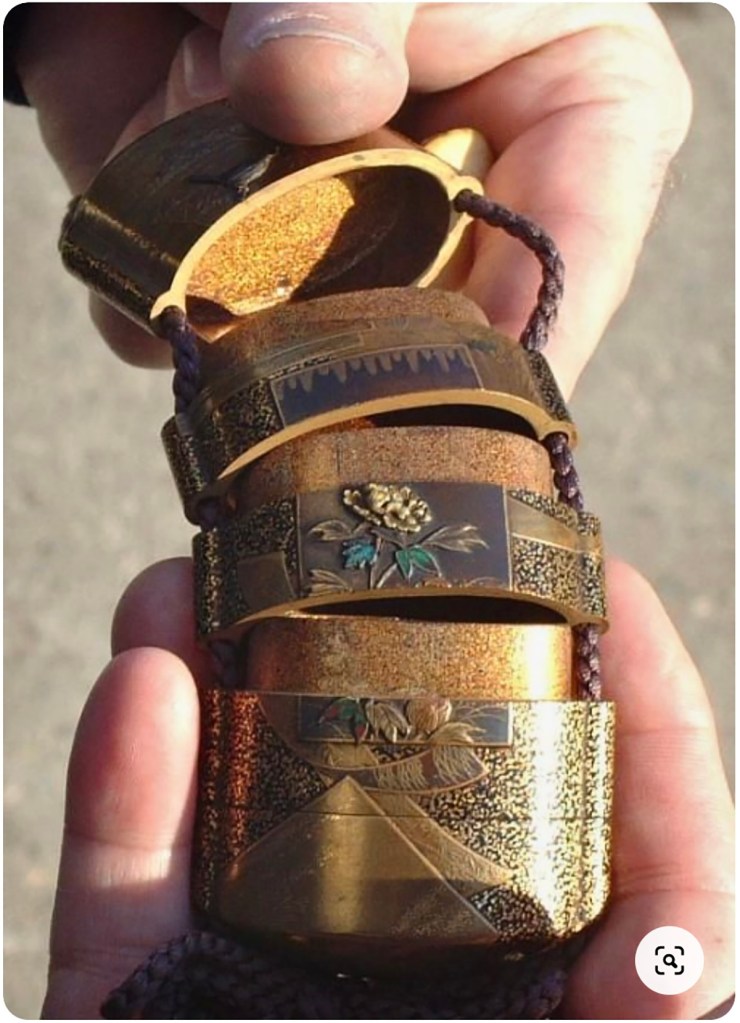
which was looped through their sash or trouser-skirt ties. The big, carved bead that kept it from slipping through and spilling their tobacco, name seal, money and emergency stash of aphrodisiacs on the ground was known as a netsuke.
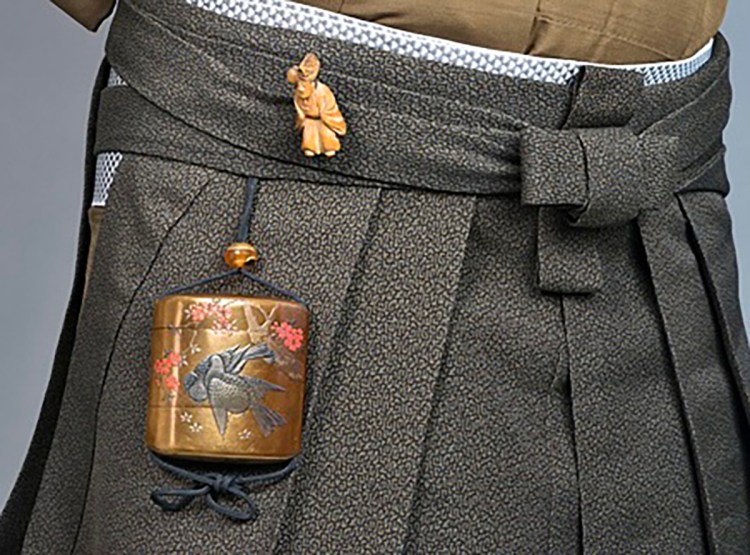
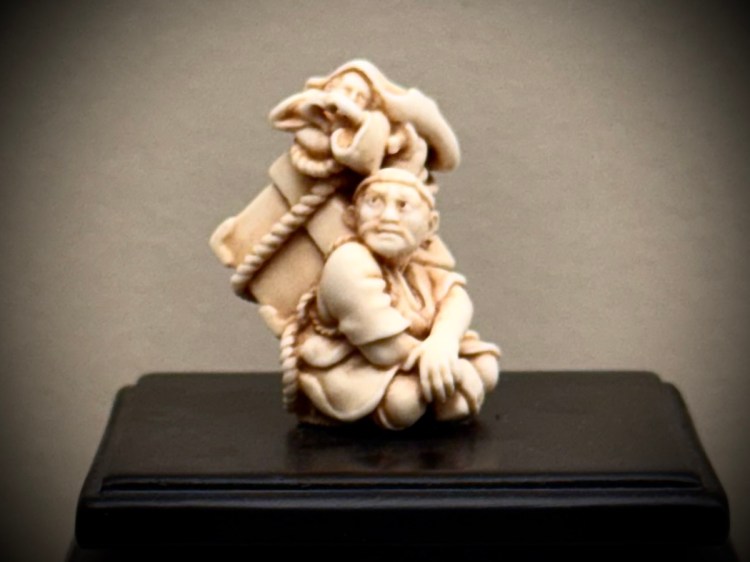
And because the opportunities for a man to flaunt his fashion sense were so limited, netsuke speedily evolved from utilitarian beads into tiny carvings that became the Birkin bags of their day. Their tiny size made them unobtrusive, but the extremely skilled carving made them insanely valuable.
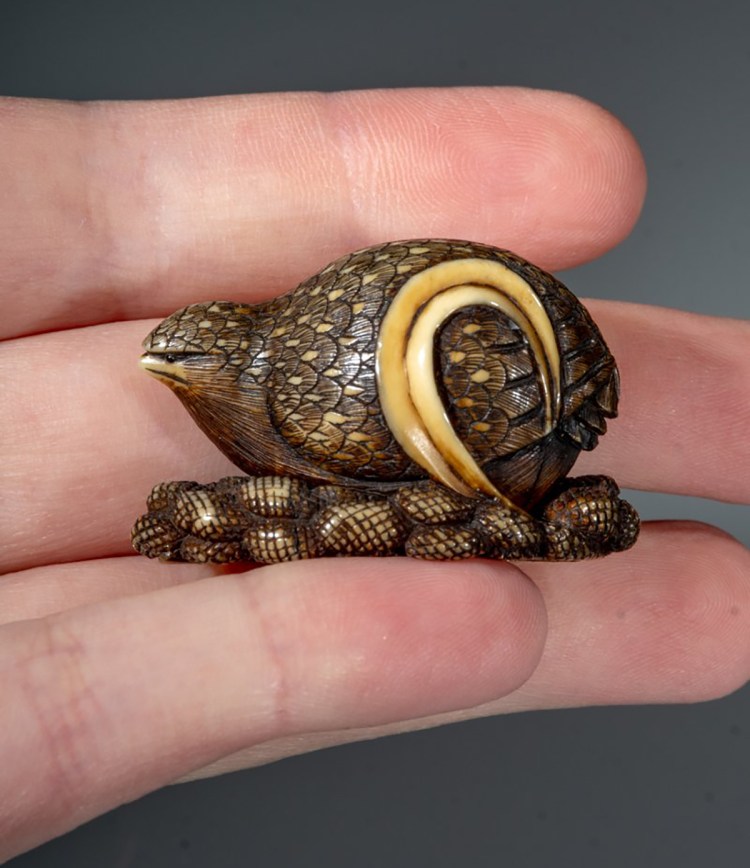
You could tell a lot about a man by what kind of netsuke he wore
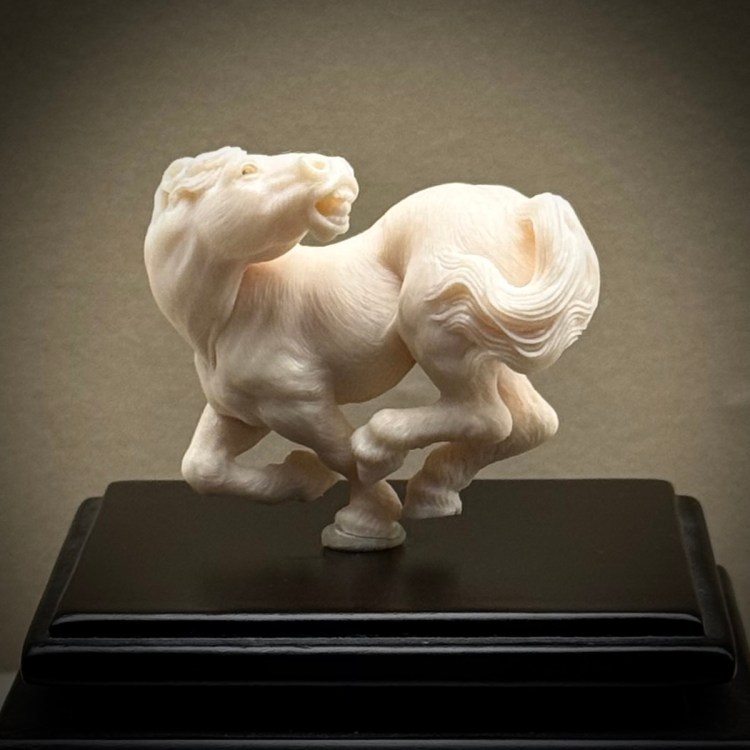
A samurai might wish to suggest that, as someone born in the Year of the Horse, he’s not only destined to be lucky and successful at everything he does, he will also be a popular choice as leader…
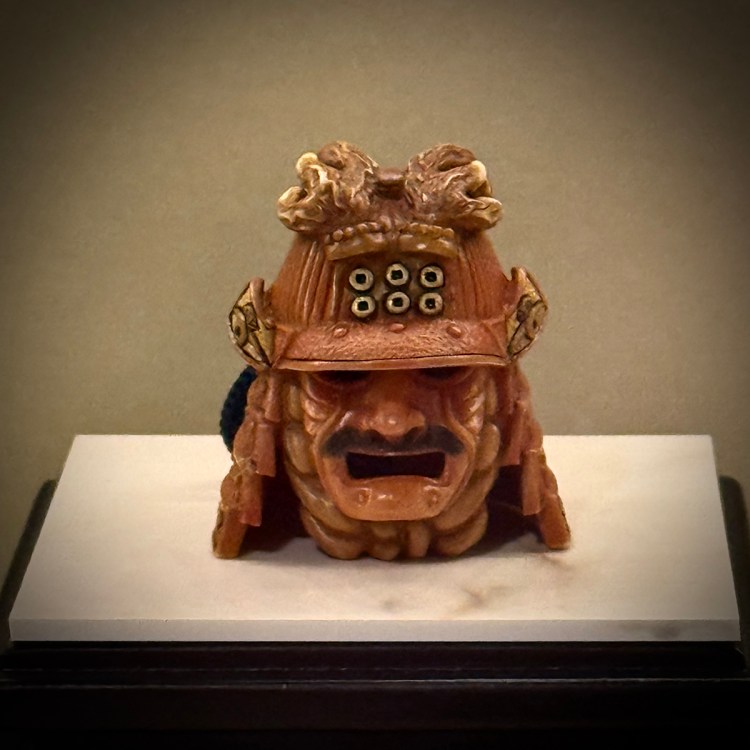
or that he’s a member of a prominent clan who ought to be given proper respect, even out of uniform.
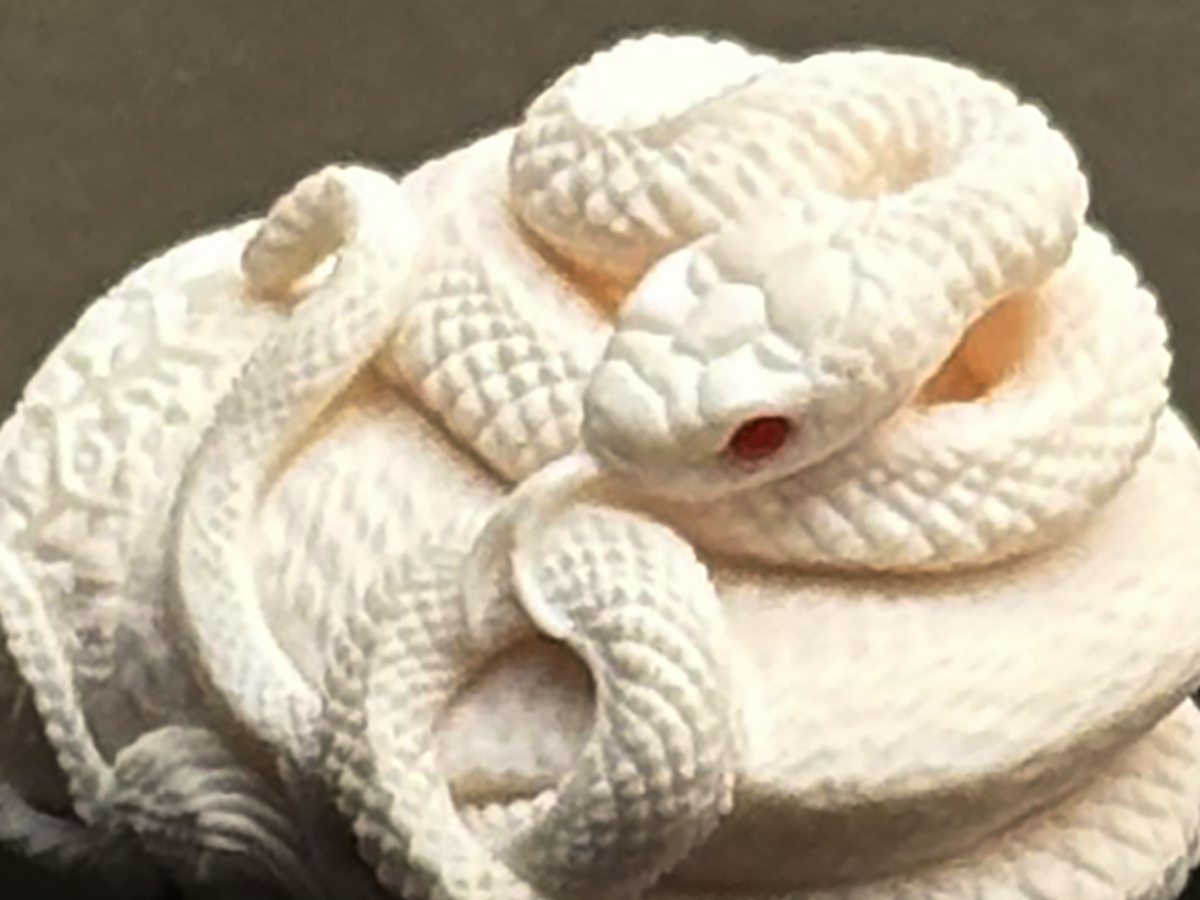
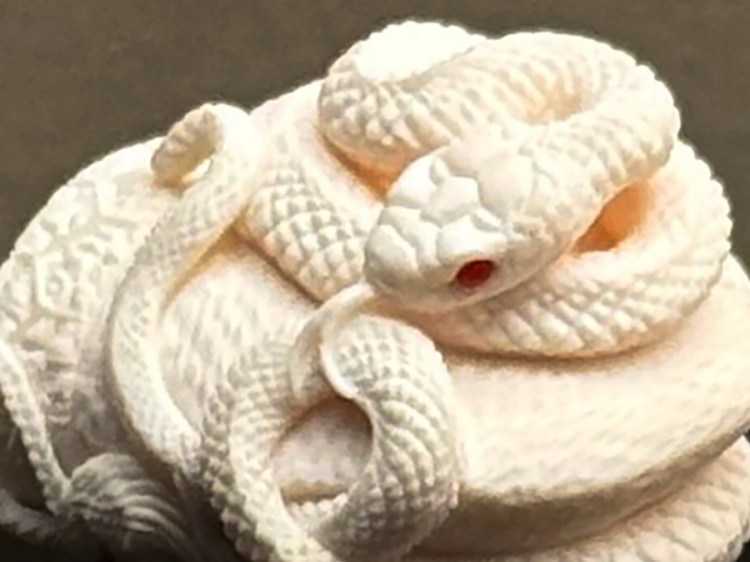
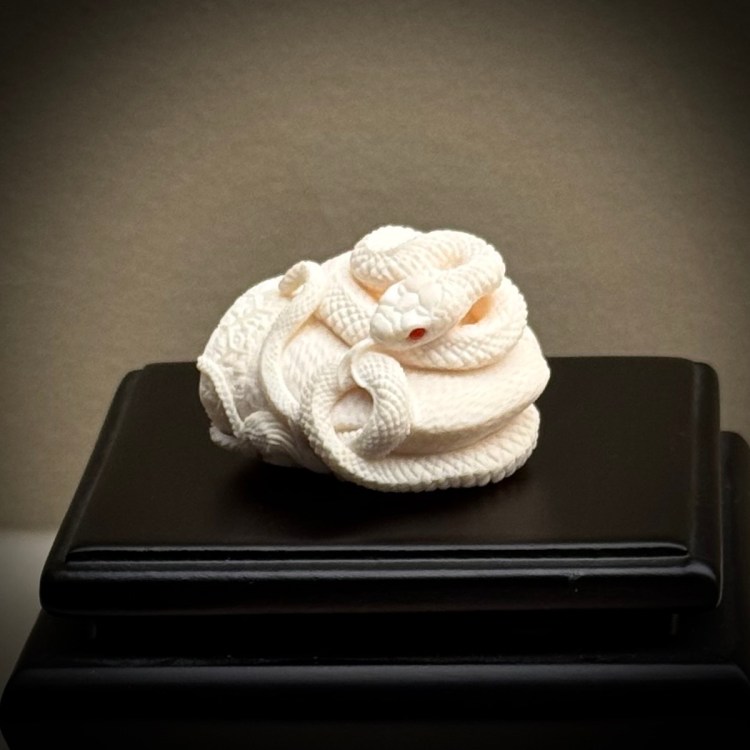
A merchant might want everyone to know he was born in the Year of the Snake, a zodiac animal known for conveying canniness and success in business…
or that he’s on a first-name basis with Benkei’s messenger, the god who favors her devotees with riches and luck…
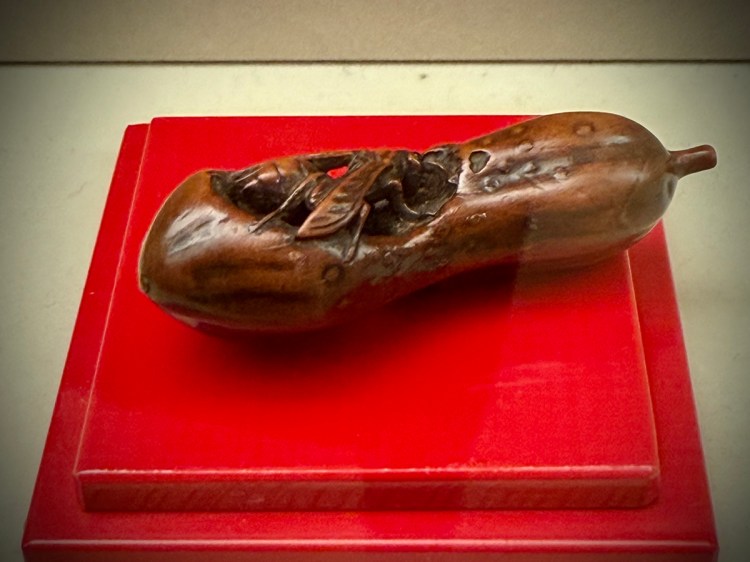
Or perhaps he’d like everyone to believe he can turn even the most unpromising opportunity into gold, like this wasp taking advantage of a rotting gourd.
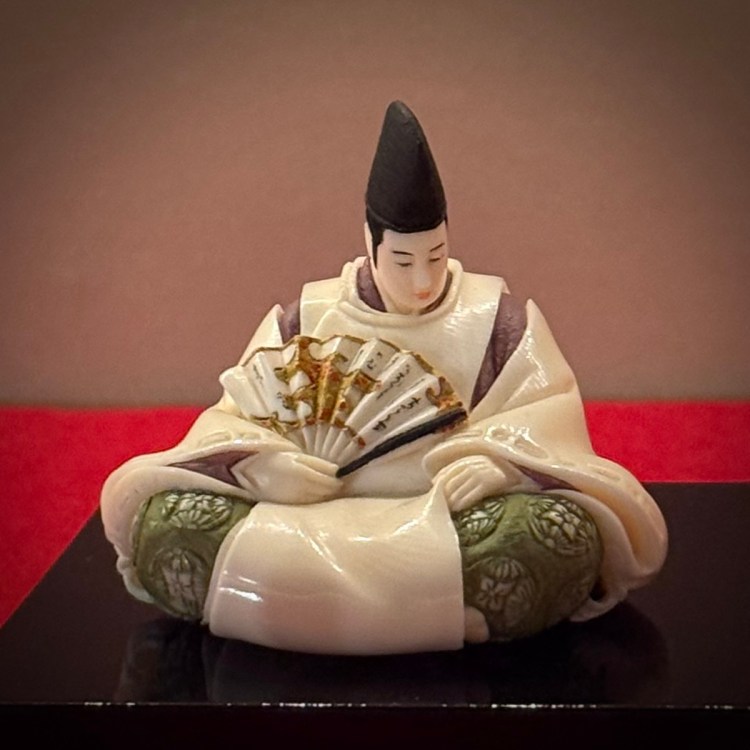
Other movers and shakers hint they’re well-versed in the classics and fans of the kind of poetry competitions White Pearl saves her patron from embarrassing himself at in The Samurai’s Octopus…
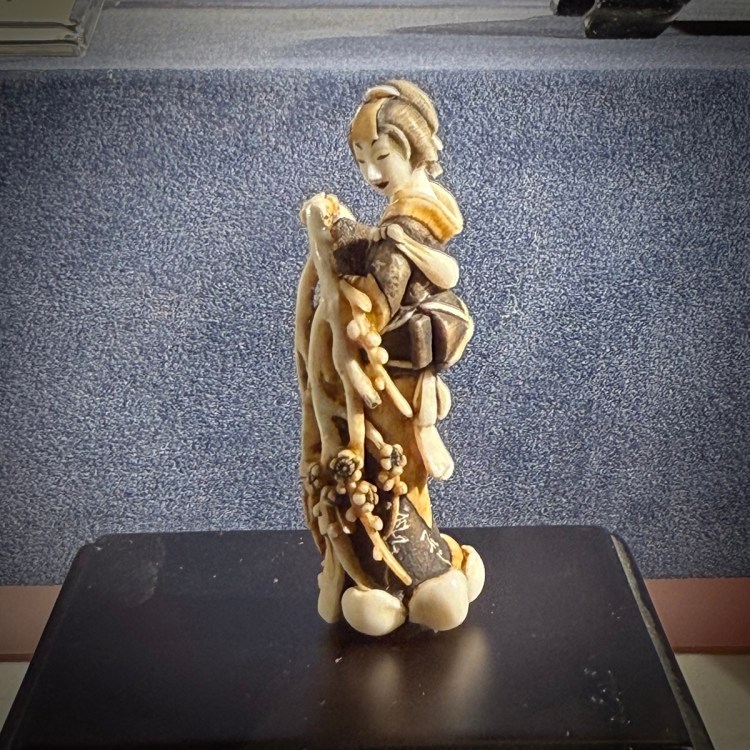
or that they’re so devoted to the most desirable oiran in the pleasure quarter, they commissioned her likeness in ivory.
They might signal that they’re always up for the kind of good time promised by seasonal festivals…
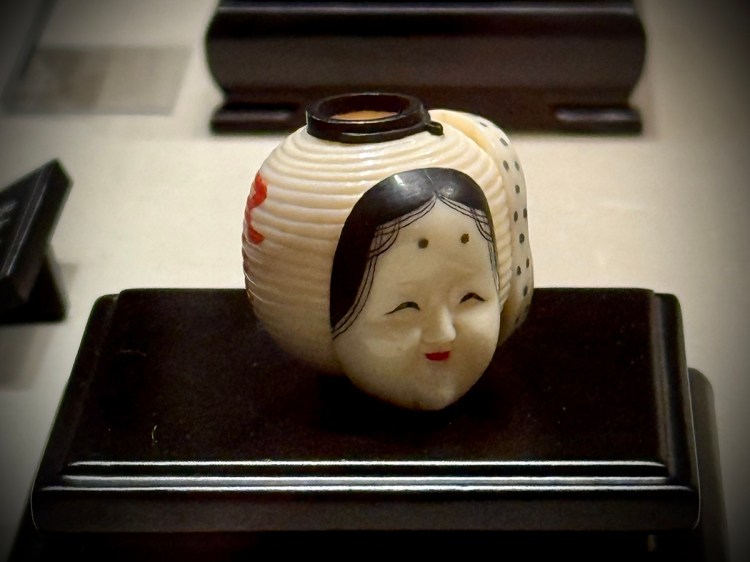
and might even pick up their sticks to do a little taiko drumming themselves once the sake begins to flow.
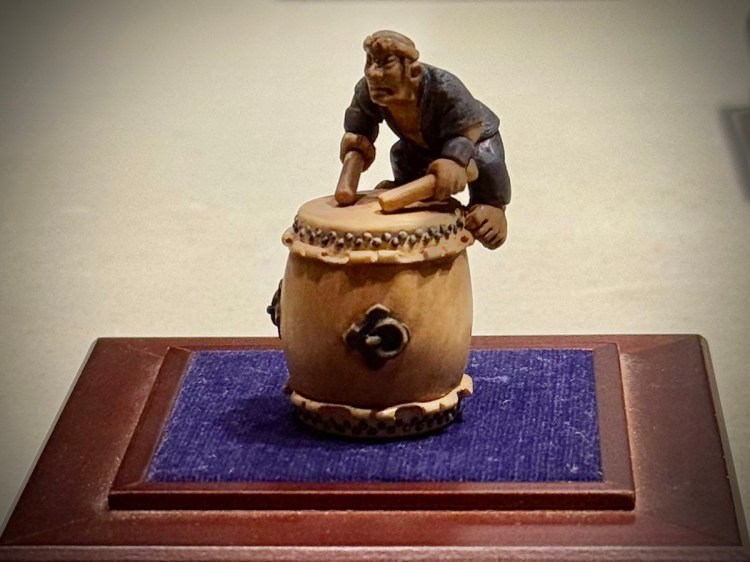
Others would never say no to a friendly game of go…
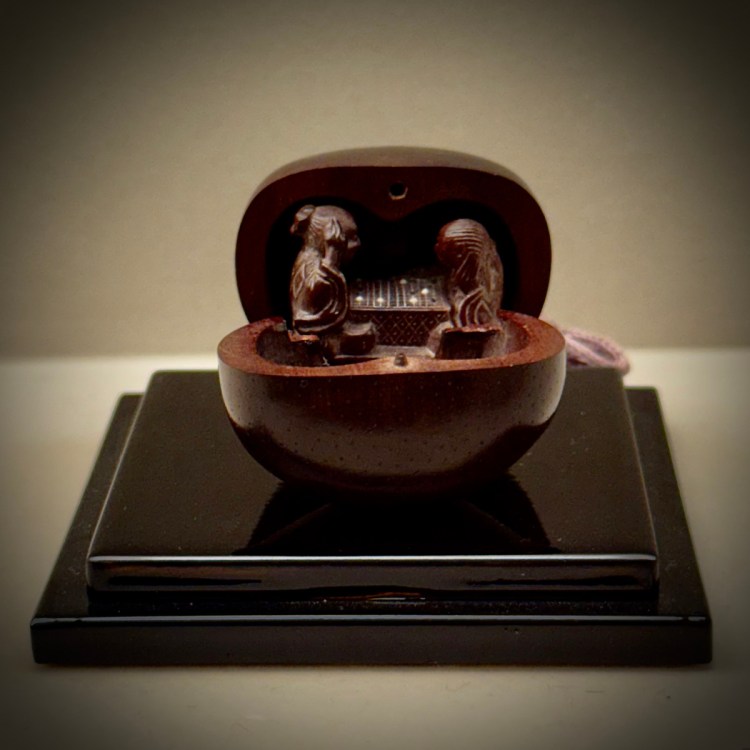
while their quieter compadres signal they’d prefer to spend their free time contemplating which twig to snip on their bonsai.
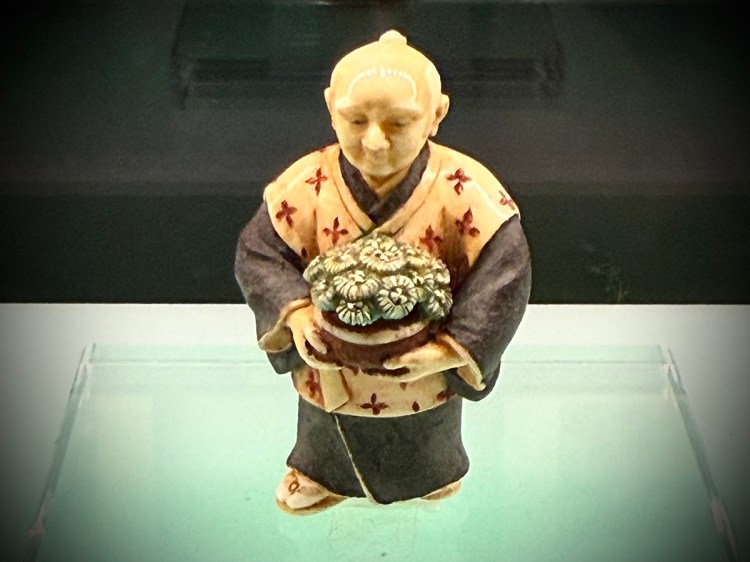
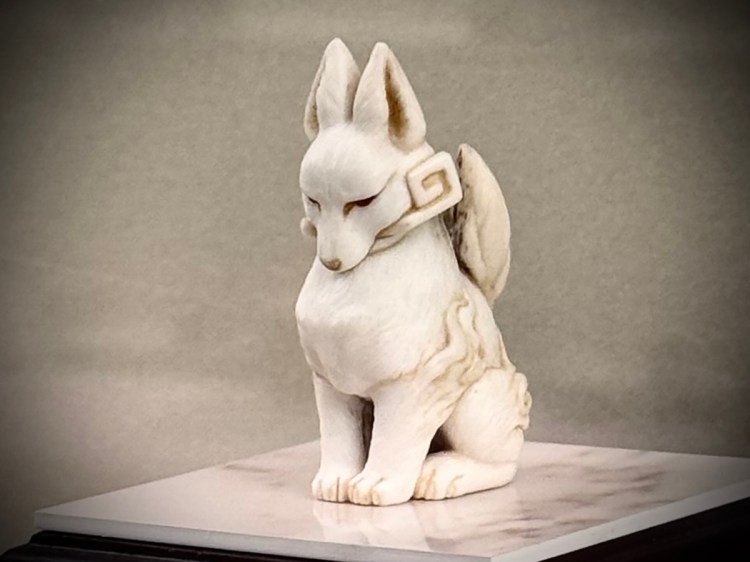
Animals were a popular subject, even if they weren’t one of the twelve associated with the zodiac years. This fox is a messenger of the gods associated with inari shrines and the bearer of prayers for financial success…
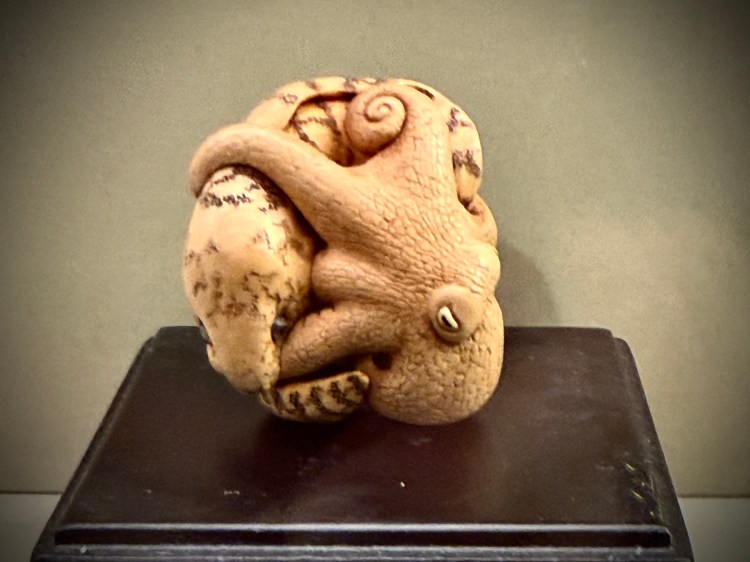
while the octopus doesn’t just stand for intelligence and the ability to adapt its color and shape to any environment…
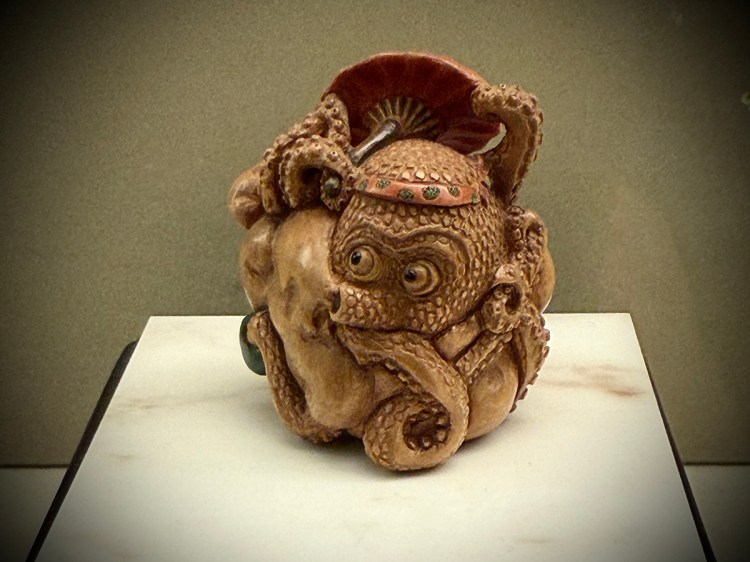
but also that the wearer is always ready to take action in any direction.
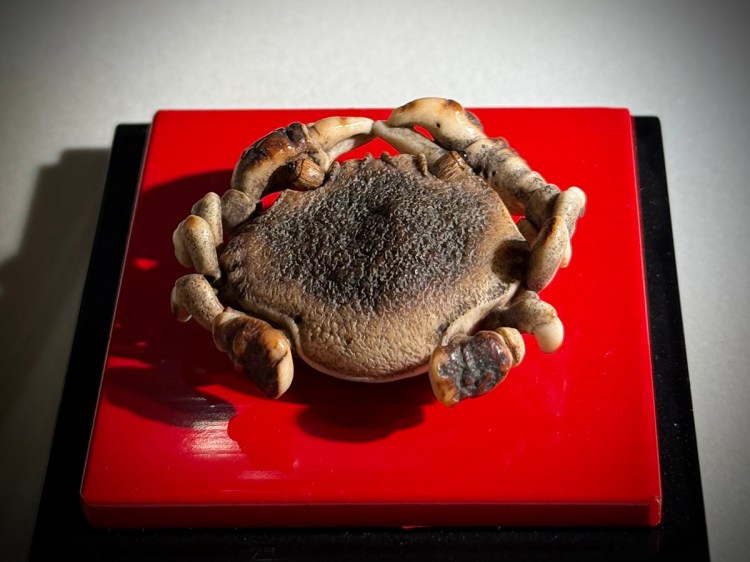
The message could be as simple as a fondness for crab…
as intriguing as a secret carving hidden inside a box that looks like a mere ground cherry…
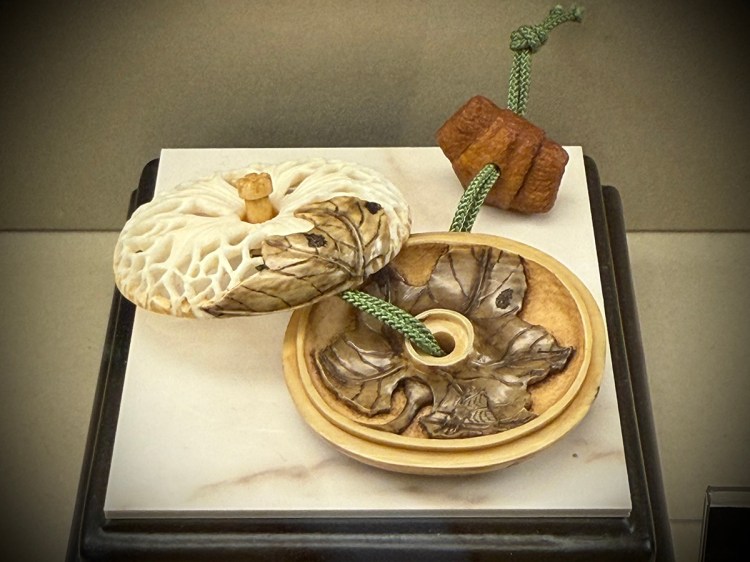
or a real conversation-starter, like this utterly WTF carving of a demon stealing the Buddha’s ashes.
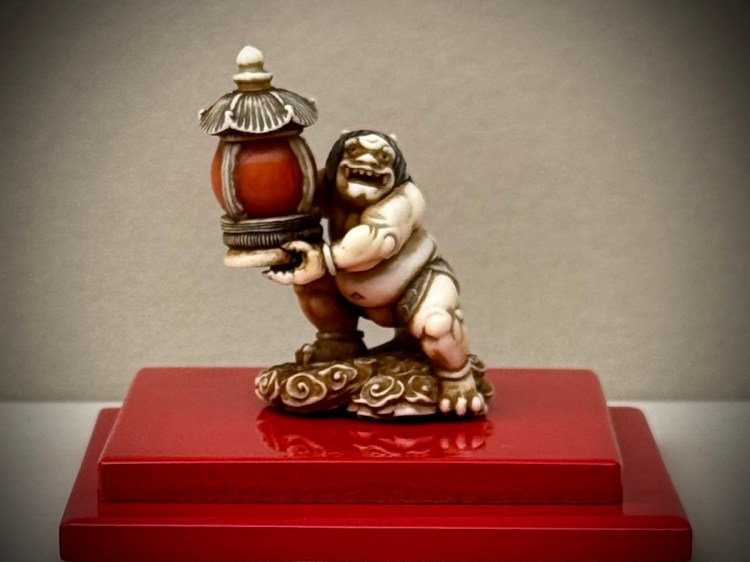
If you’ve read The Samurai’s Octopus or How to Outsmart the Fashion Police, you know that netsuke became one of the biggest if-you-know-you-know flexes of the Edo Era.
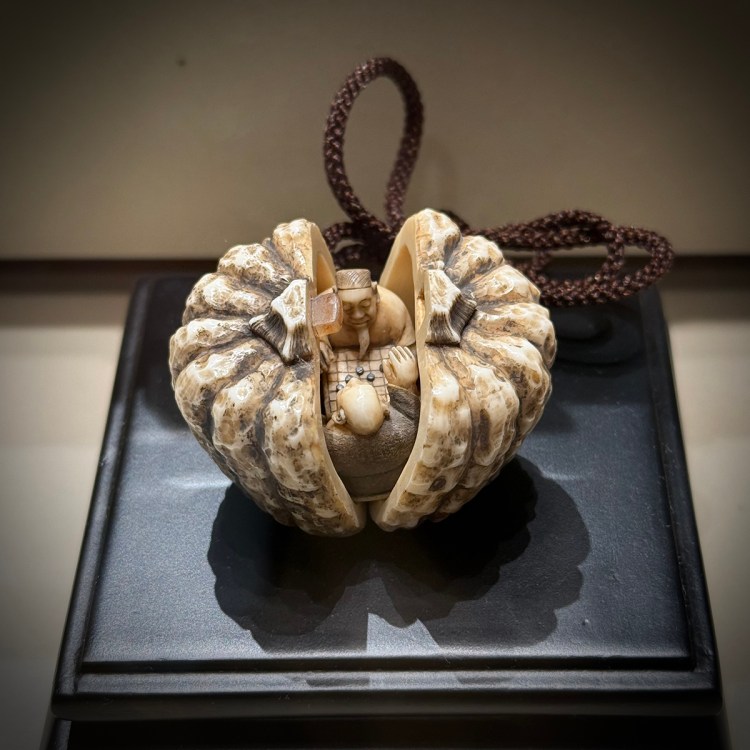
Merchants were specifically prohibited from displaying their wealth by wearing patterned silk, gold ornaments, or other signs of prosperity that might outshine their samurai overlords. One way they got around the shōgun’s edict was by wearing netsuke carved from precious—but non-shiny—materials like ivory, that looked modest from the outside (a common pumpkin, for example) but cracked open to reveal that not only was there an entire exquisite scene carved on the inside, it depicted a merchant beating a samurai at the aristocratic game of go.
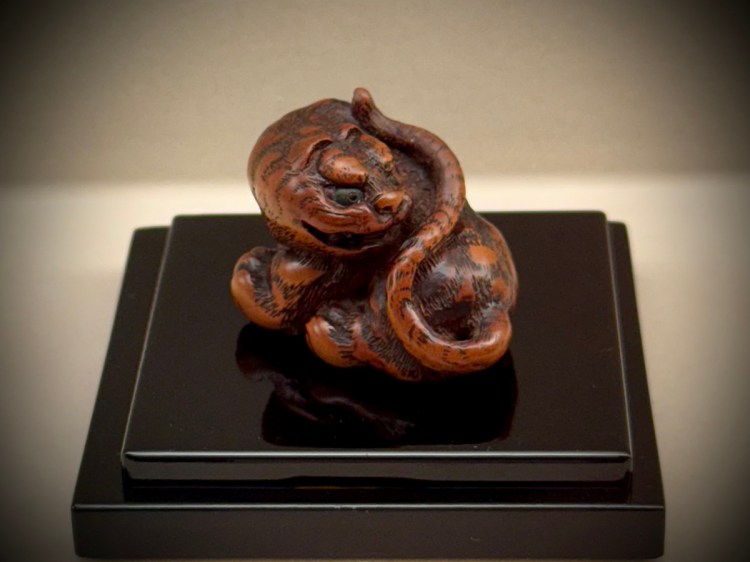
Bonus netsuke: If you’re trying to envision the ornament White Pearl gives to the handsome young rogue who saves her from a biting, this is the boxwood tiger that inspired it.
Unless noted otherwise, I took all these photos at the Kyoto Seishu Netsuke Museum. It’s worth a visit if you’re headed that way!

•For f••
•
If you enjoyed this, subscribe! It’s free!

The last thing Birdie wants to do is turn her life upside down solving a murder that was committed before she was born...

Birdie is a true daughter of the pleasure quarter. The number one apprentice to Yoshiwara’s number one courtesan, she’d rather do anything than derail her future life of wearing opulent robes and entertaining lords of the land. But when her search for the mother she never knew takes a dangerous turn, she faces an impossible choice: betray her own flesh and blood, or live the rest of her life being hunted by a powerful man who won’t stop until they’re both dead…

Jonelle Patrick writes novels set in Japan, and blogs at Only In Japan and The Tokyo Guide I Wish I’d Had

