
Exploring Shikoku beyond the art islands and the temples
Most visitors only visit the Japanese island of Shikoku to trek around the famous 88-temple pilgrimage or ogle the art on the island of Naoshima…

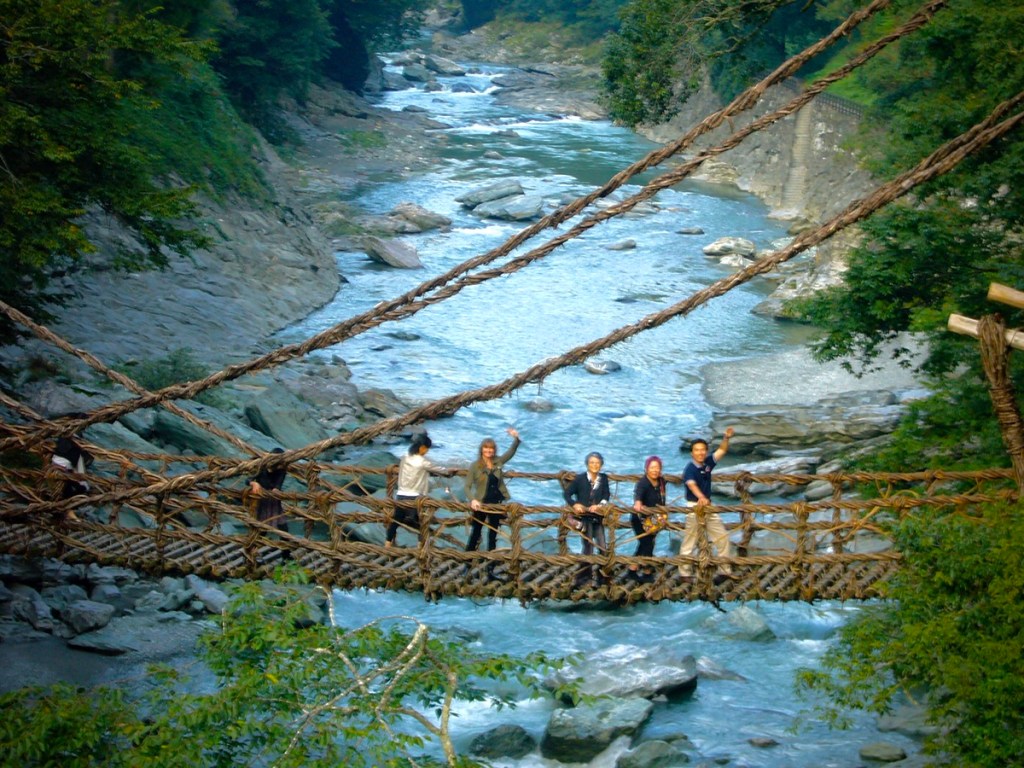
but Shikoku delivers so many great experiences you can’t have anywhere else. Like…the Kazurabashi Vine Bridge!

Forty-five meters long and two meters wide (with gaps underfoot that would make Indiana Jones think twice), the Kazurabashi Vine Bridge spans a gorge in the Iya Valley fourteen meters (46 ft) above a rushing river. It’s made from kiwi vines, and does not disappoint when it comes to delivering heart-racing swaying with every step and glimpses between your feet of rushing water that is much too far below for comfort.
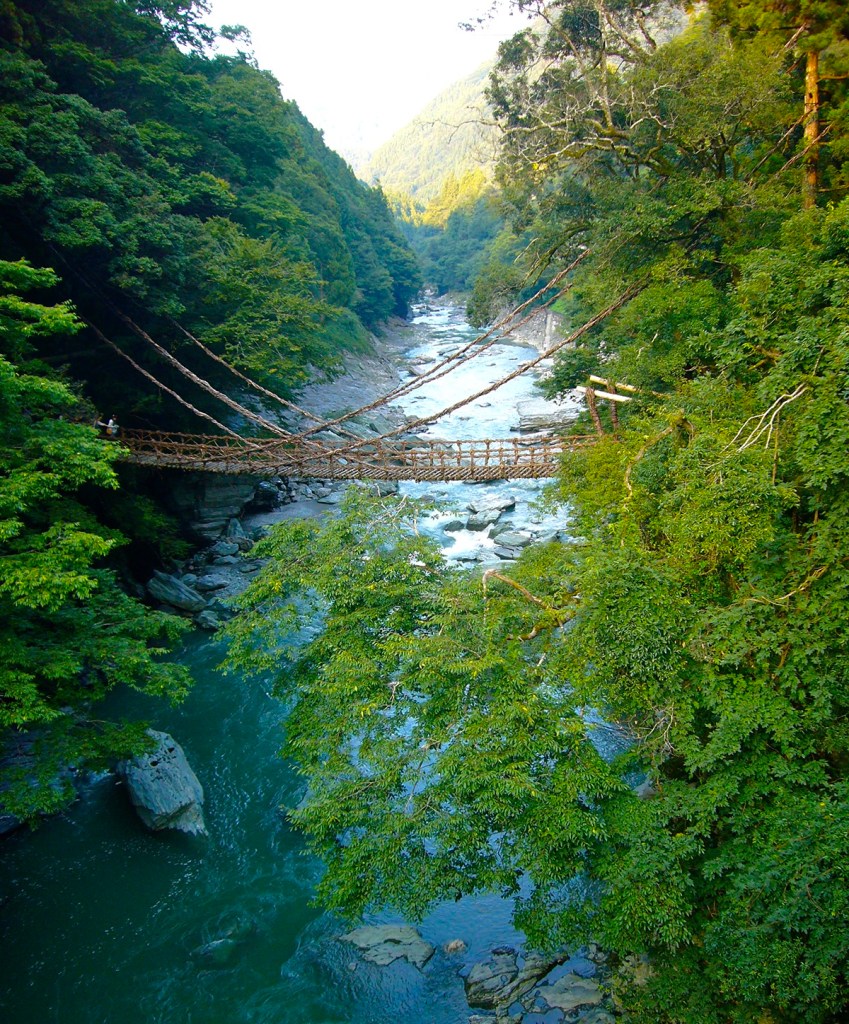
Which also means it’s situated in an absolutely gorgeous part of the world, with steep forested mountains…
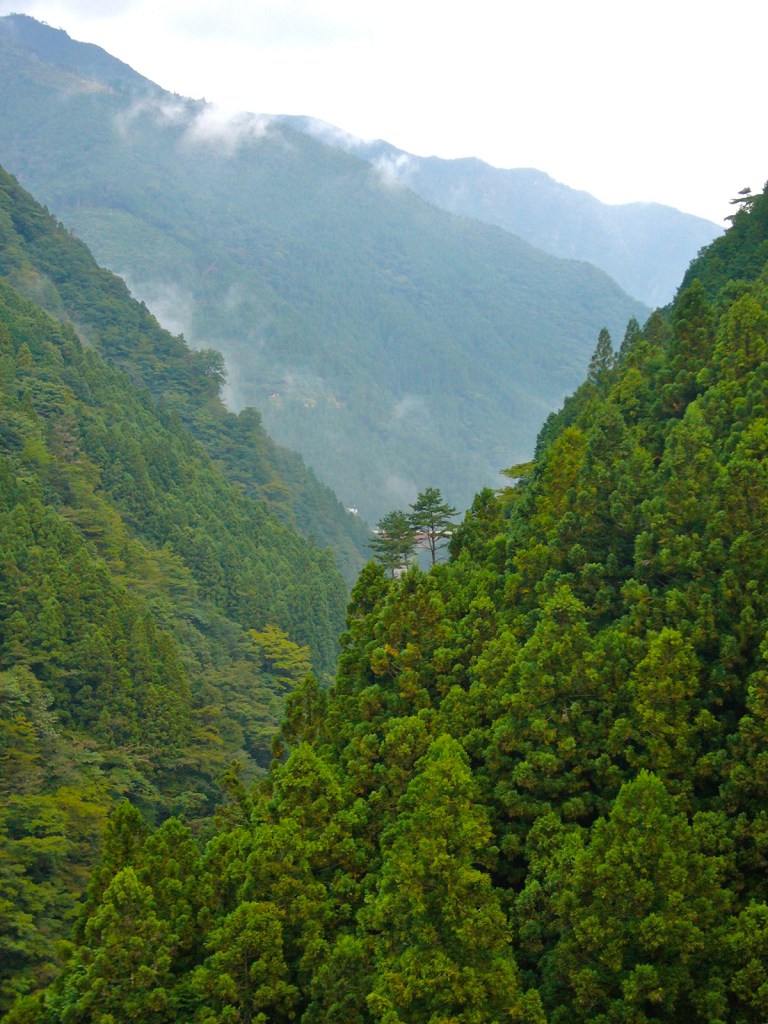
on which the Japanese have (naturally) built several traditional inns just waiting to welcome weary travelers.
We stayed a short walk from the bridge at the Iya Bijin…
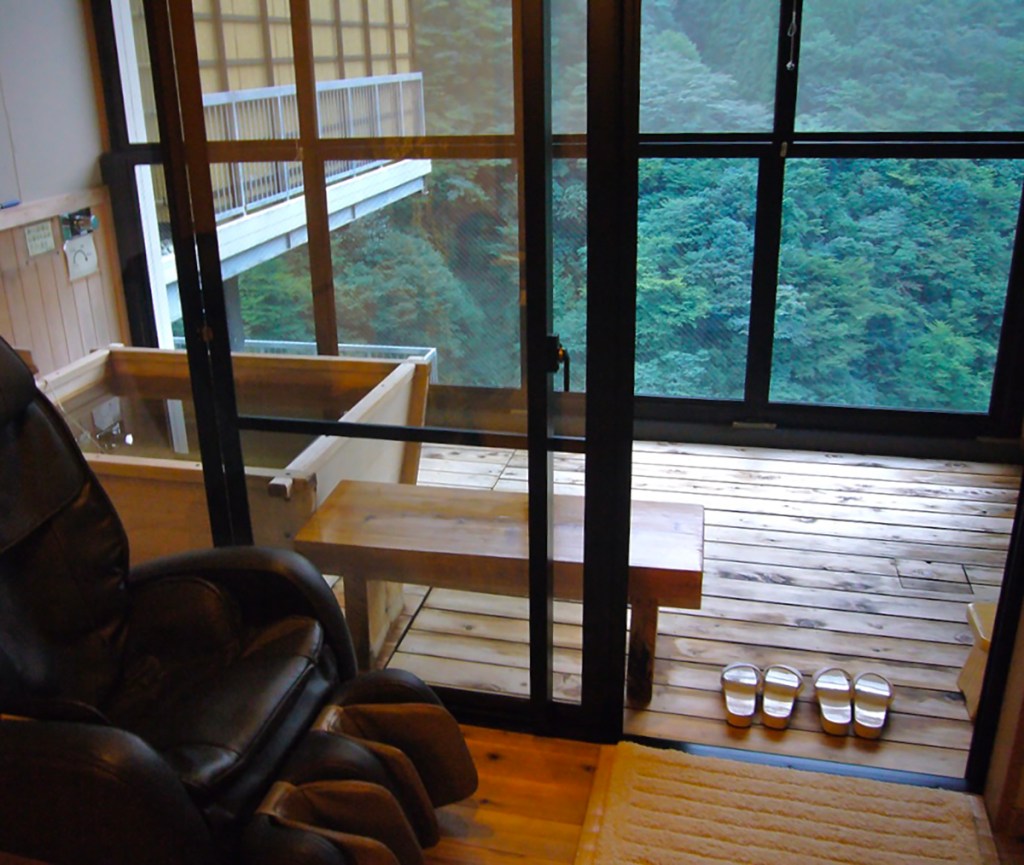
which is perched on the edge of the cliff so you can look down on the river below from your room…
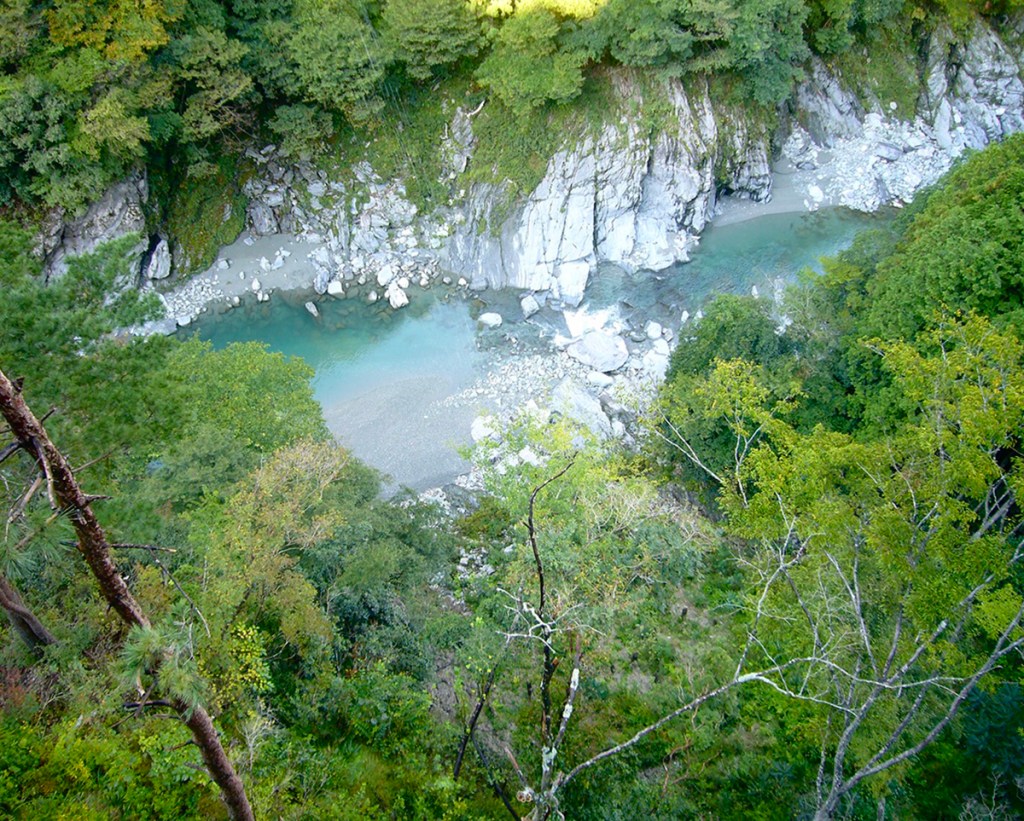
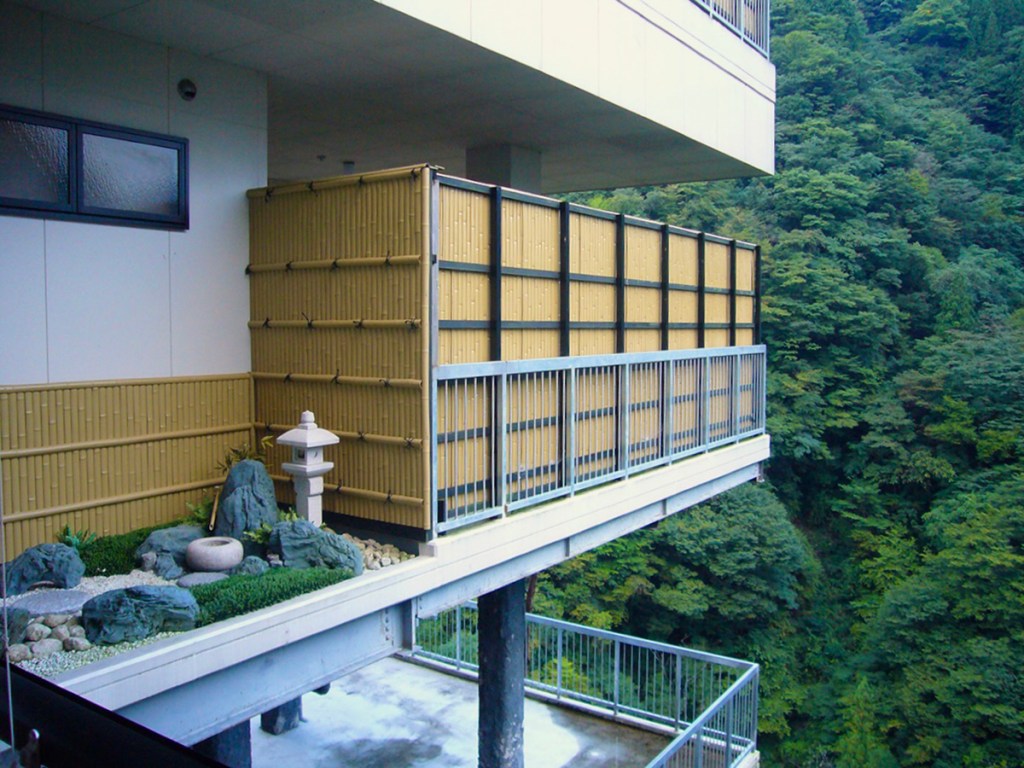
and also enjoy this adorable pocket of Japanese garden…
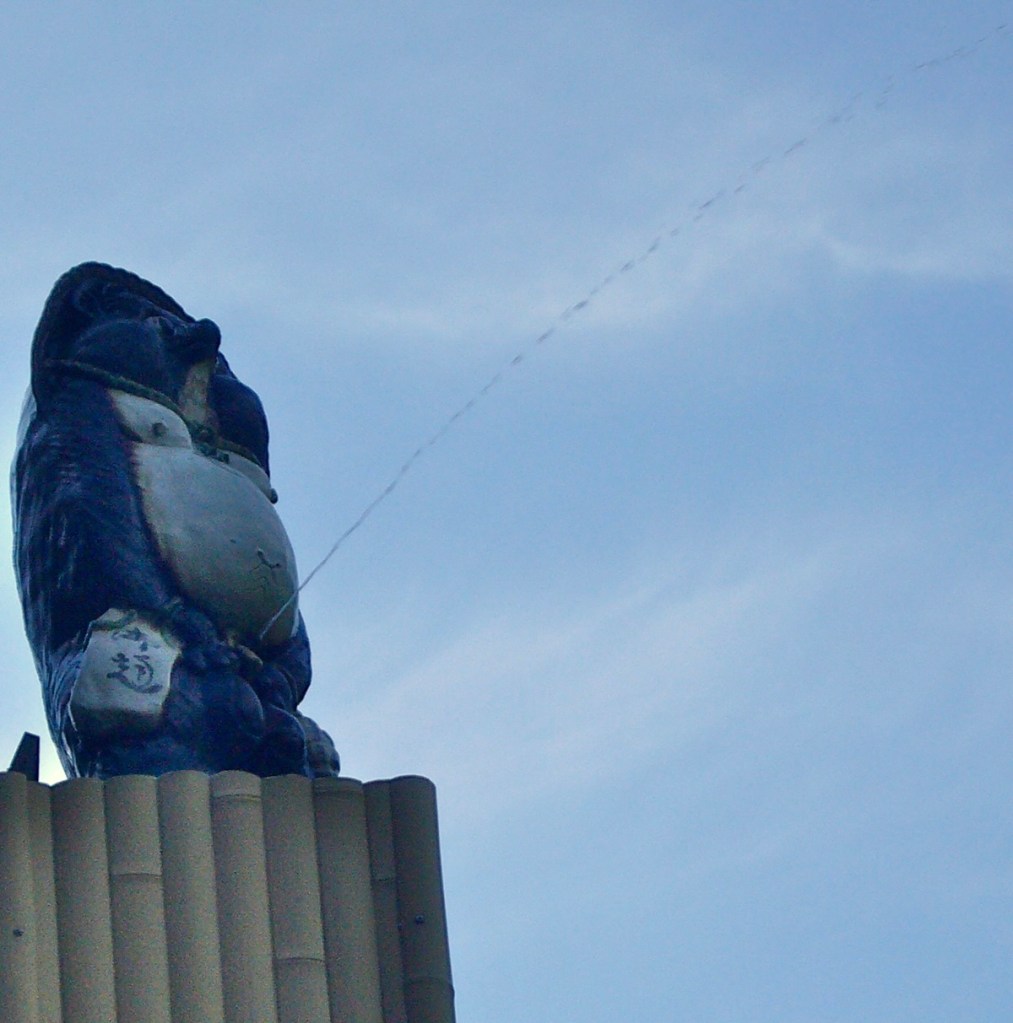
and catch a tanuki peeing off the roof…
while enjoying a neck-deep soak in a traditional cedar tub.
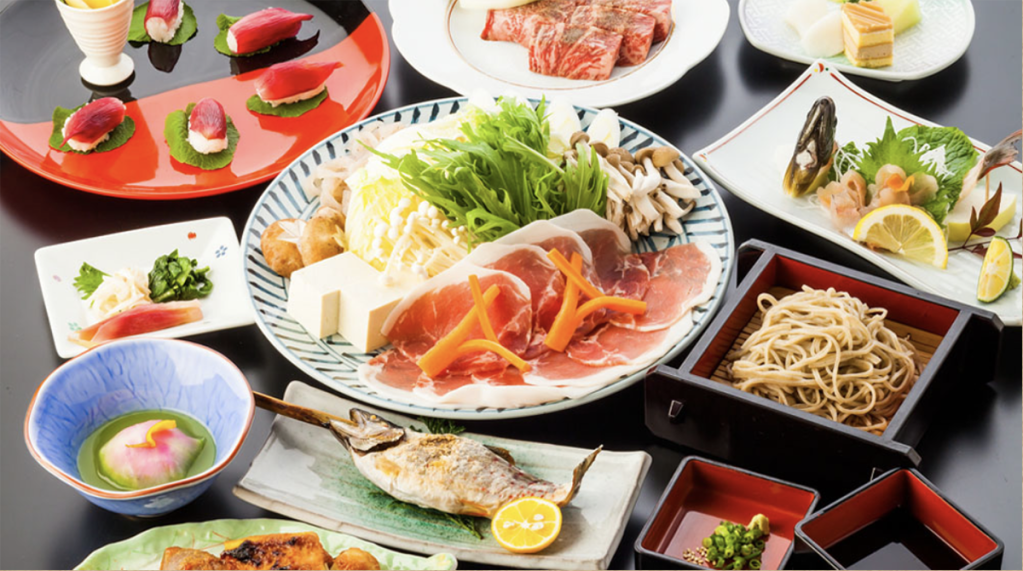
This particular inn is famous for tezukuri soba (the kind of handmade noodles where everything from grinding the flour to rolling and slicing them to perfect thinness is done in-house)…
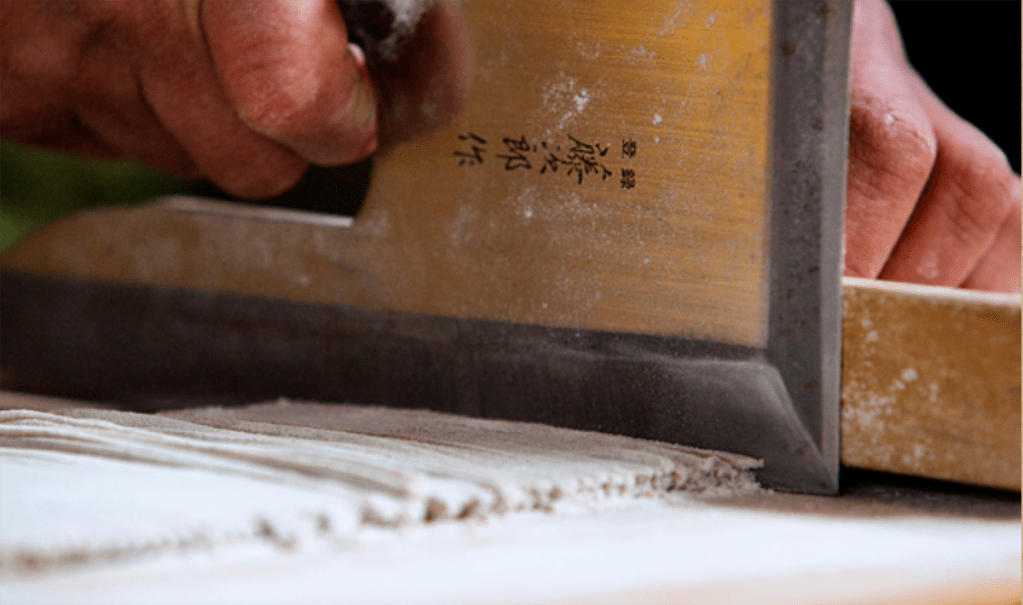
And they also serve up grilled river fish…
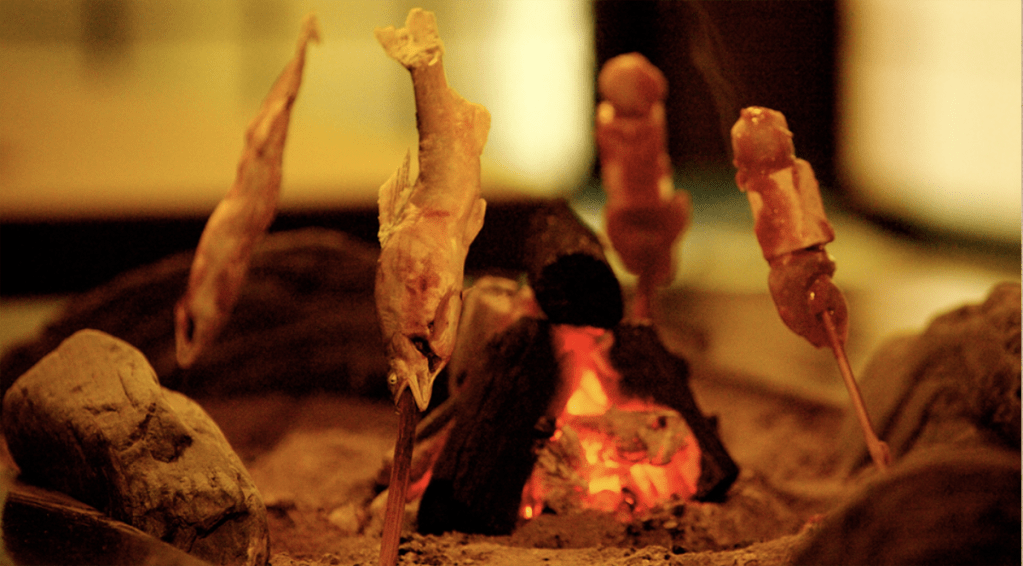
and (most unusually) a few seasonal dishes that feature game, like venison in miso or (when we were there in October) wild boar hotpot.
But the Iya Valley isn’t the only thing worth seeing! In Tokushima, the town that’s the jumping-off place for ferries to Naoshima, there’s a preserved samurai-era district called Udatsu Street…
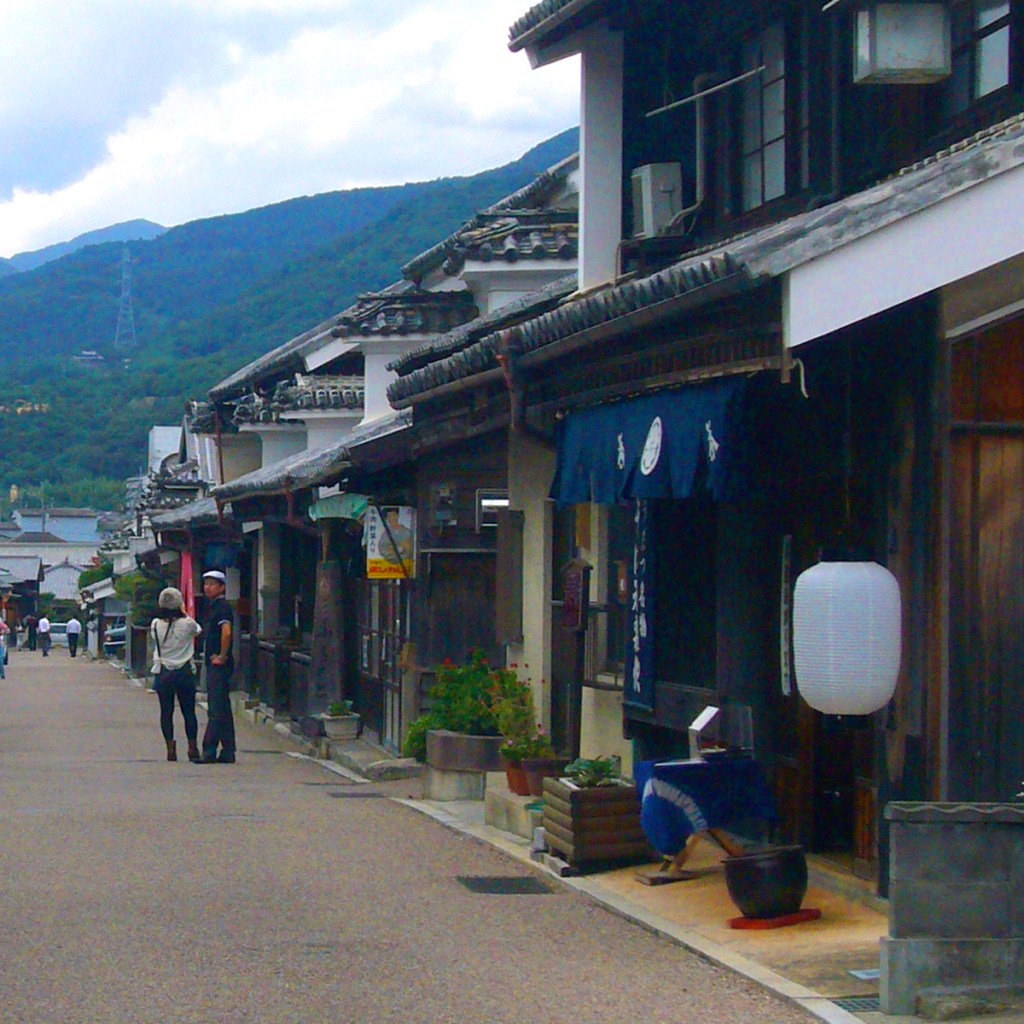
where you can try traditional crafts like indigo dyeing and bamboo puppet making and visit the most beautifully restored samurai-era house I’ve ever seen. It looks out over the town…

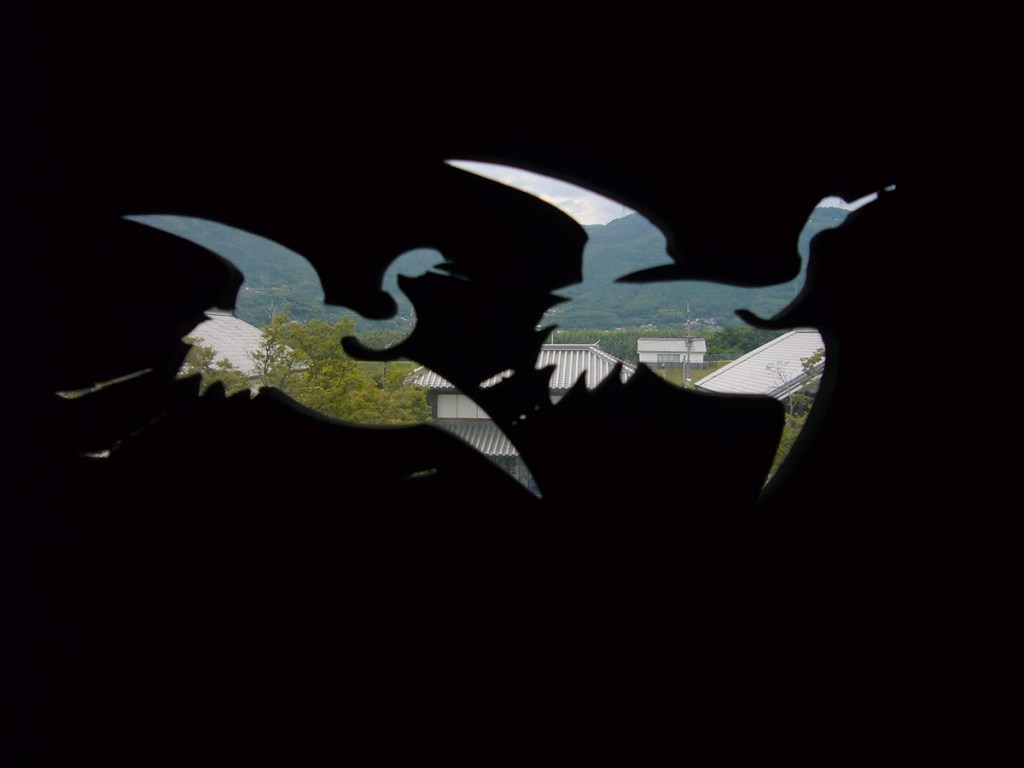
through charming windows with flying crane cutouts.
And everything from its meticulously tended courtyard garden…
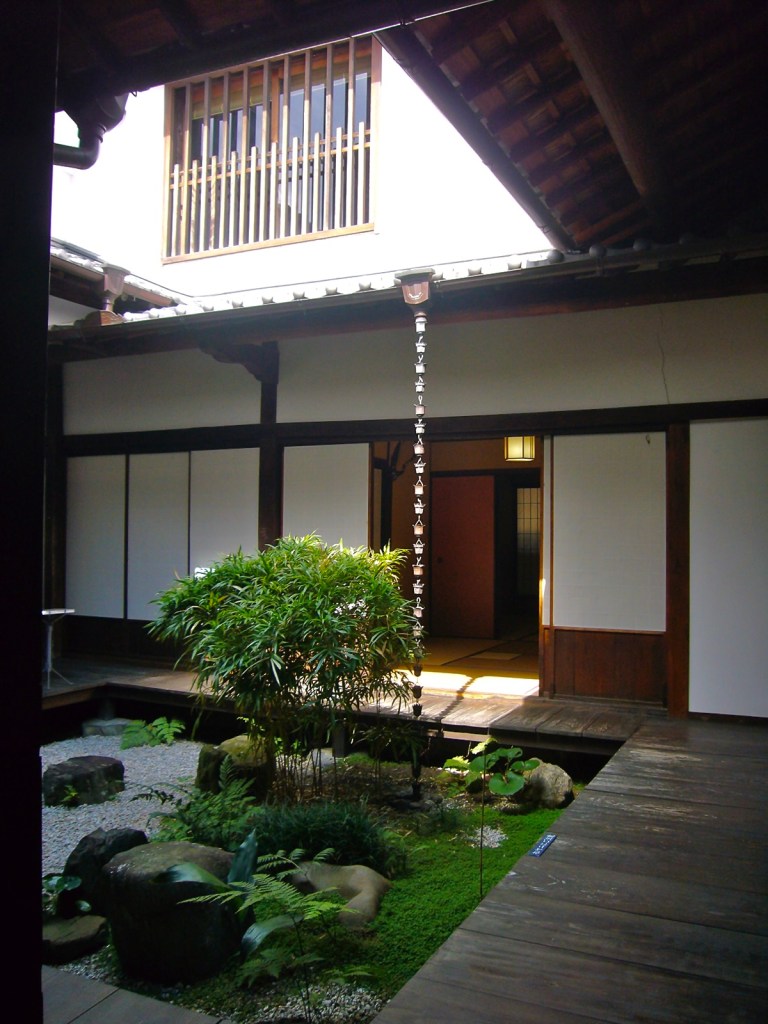
to the room with an exquisite painting of (look familiar?) a vine bridge on the walls…

is set up with chess games in progress and other details that give a glimpse into everyday samurai life. This is the first place I’ve seen a set of drawers with an Edo Era burglar alarm! These have a very loud squeak designed into them, so nobody can pilfer what’s inside without alerting the sharp-eared housekeeper.

The street offers a number of traditional cafes with local cuisine…

with the firepits preserved as working hearths…

where you can sit and enjoy the ambience while you wait!

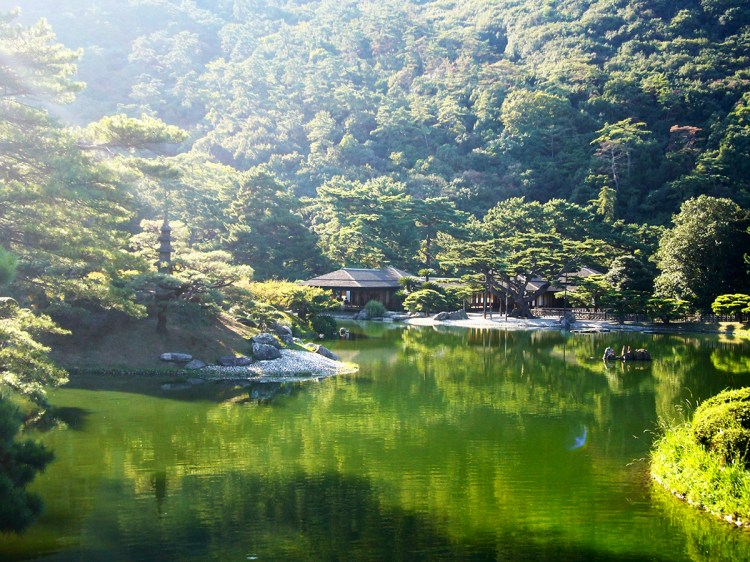
The nearby town of Takamatsu is home to Ritsurin Koen, the gorgeous Japanese garden that Japanagram visited in May
and Takamatsu castle, which has interesting historical displays inside
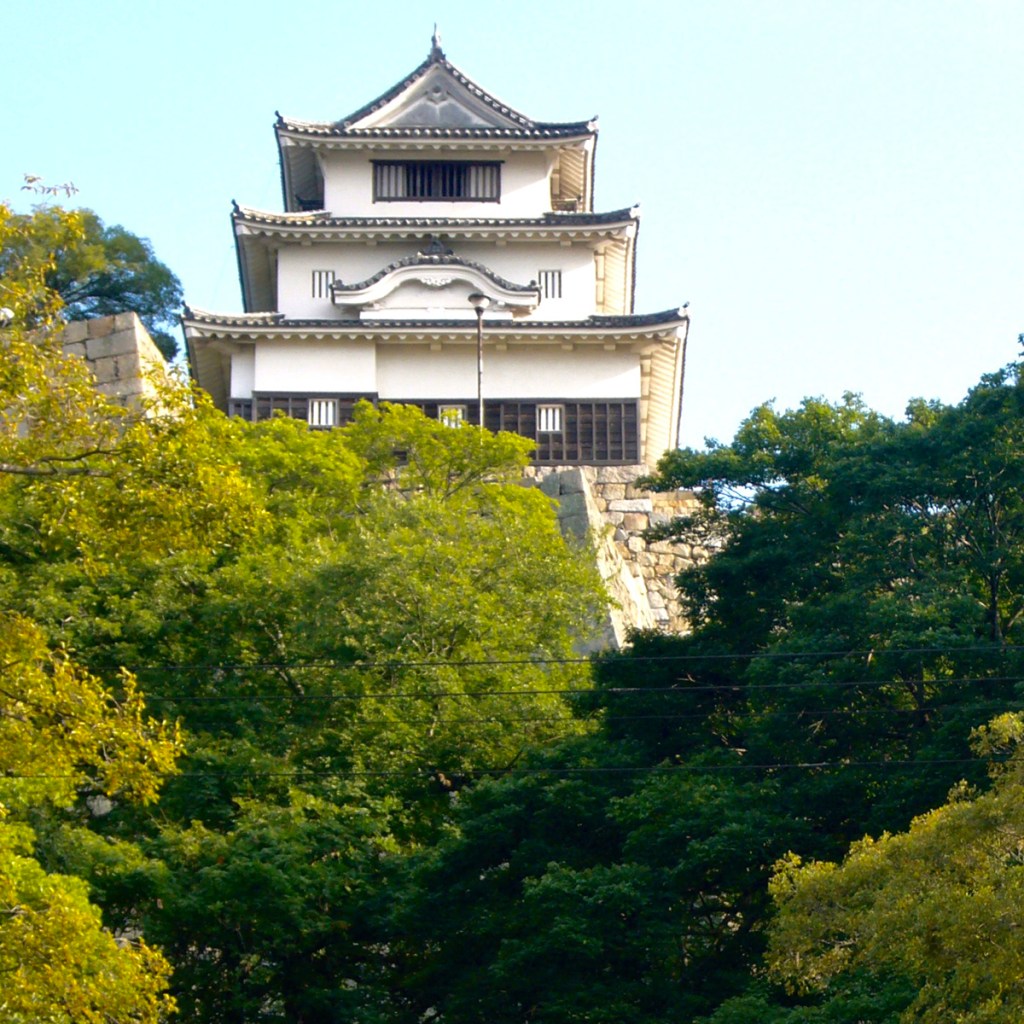
as well as borders of exuberant higanbana equinox lilies growing on the grounds (if you’re there near the beginning of October!)

Here’s where Shikoku is:
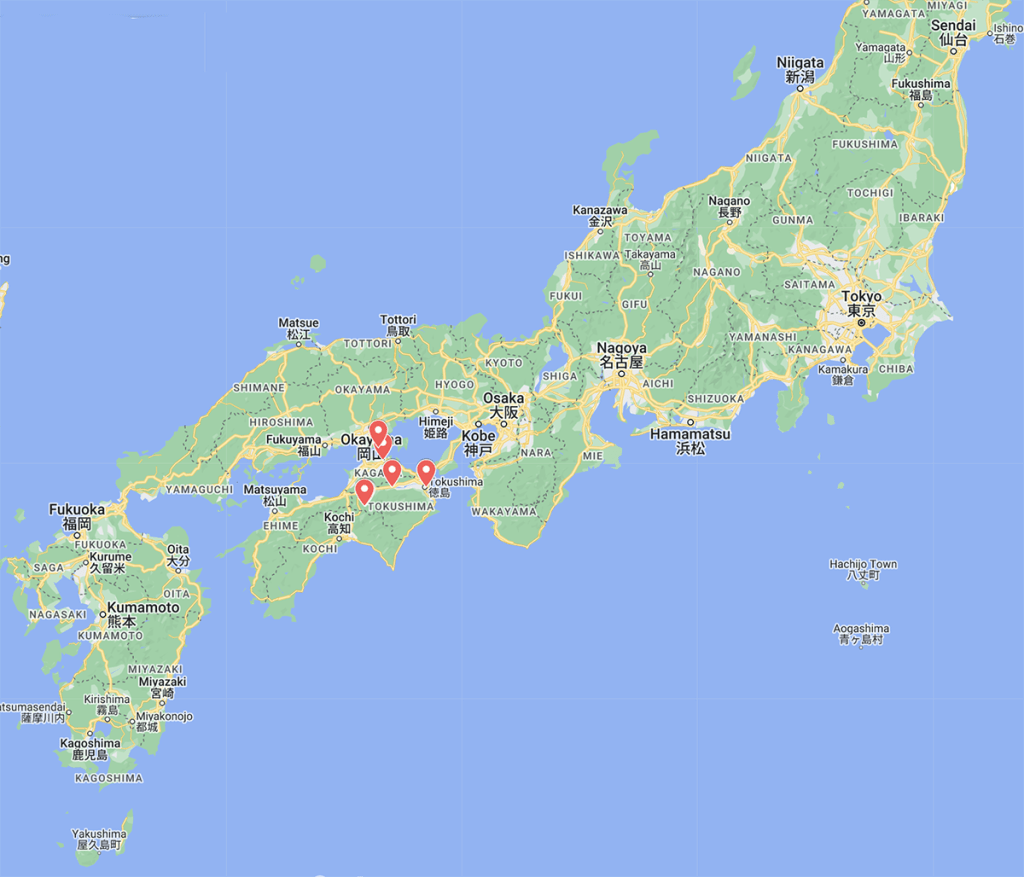
To get to Tokushima from Tokyo, use the Japan Navigation phone app, plugging in your actual date and preferred arrival/departure time. Here’s where to get the app and how to use it.
•
Click here for more Beyond Tokyo posts

•
Or get more must-see destinations sent to your email every month when you subscribe!

•

•
•

Jonelle Patrick writes novels set in Japan, produces the monthly Japanagram newsletter, and blogs at Only In Japan and The Tokyo Guide I Wish I’d Had
 Japanagram