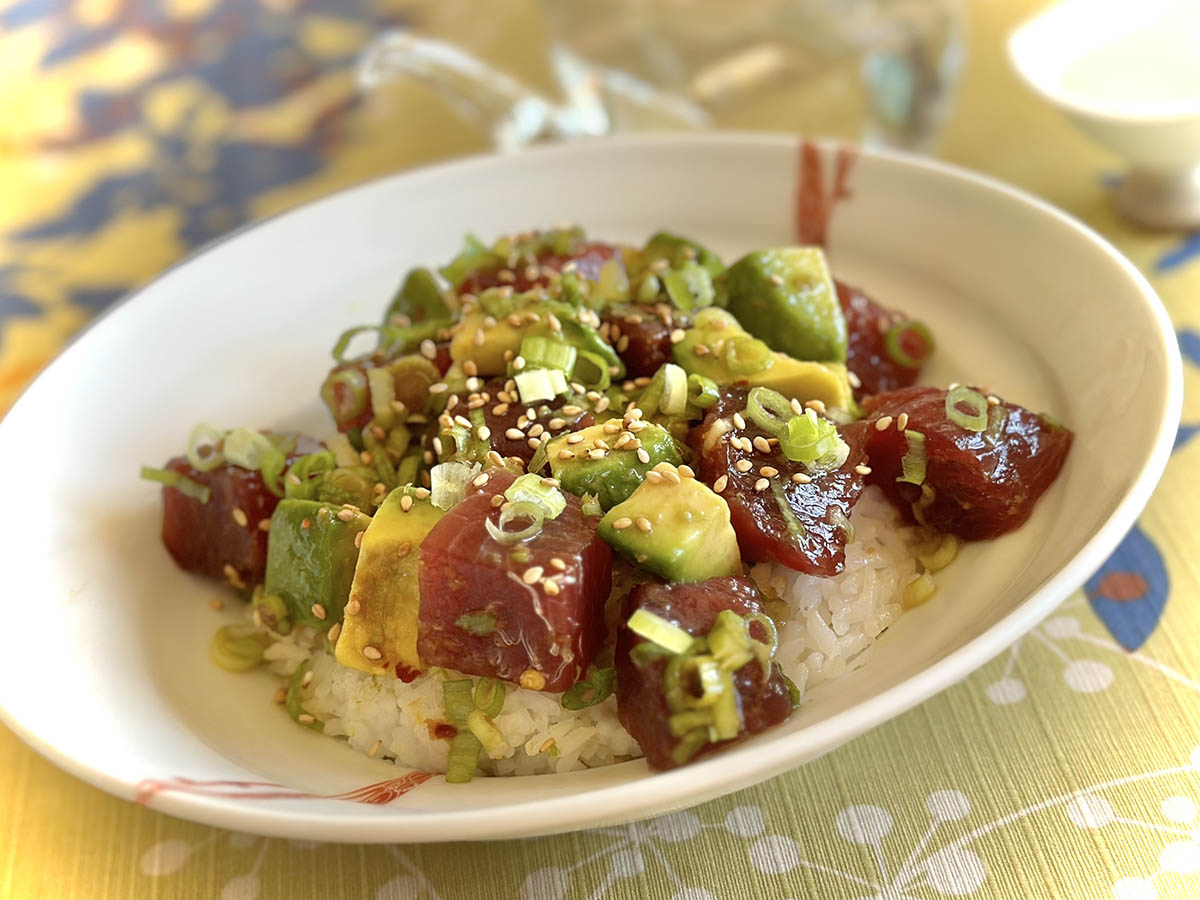
A cool & satisfying summer meal you can make in minutes!

When Japanese laborers arrived in Hawaii to work the cane fields a century ago, they brought chirashi sushi with them—a simple meal of rice topped with fresh-caught fish that was the ideal no-cook meal for a tropical climate. Over time, it evolved into the poke* we know and love today, a delicious and satisfying dish can be salty and spicy or smooth and savory. It can be dressed up for company or enjoyed in its plainest form, but it’s never not good (and always good for you!)
*pronounced pō-kee in Hawaii
J-Style Poke Bowl
Serves 2
Make the rice:
1 c. (150g) Japanese short-grain white or brown rice
Water (use the amount suggested on the rice package)
1/4 t. (1-2g) salt
1/2 t. (3ml) olive oil
Get the rice started while you make the poke. If you like your rice sticky (Japanese-style) and have a rice cooker, use the recommended setting for the kind of rice you’re using.
If you don’t mind turning on your stove, you can make it the way I like mine for this dish: brown rice cooked al dente (not sticky). To make it this way, cover the rice in a saucepan with plenty of water (you’ll drain it afterwards), add the salt and olive oil, then cover it and bring it to a gentle boil. Be sure to keep an eye on it so it doesn’t boil over. When it starts to boil, turn it down to a simmer and cook with the cover on for about 20 minutes, testing every five minutes after that until it gets to the toothsome texture you like best. Drain it in a colander, but don’t rinse.
Divide the rice between two bowls.
Mix up the sauce:
2 T. (10ml) soy sauce
4 T. (40ml) sesame oil
2 t. (10g) grated fresh ginger root
1/2 t. (3g) red pepper flakes
Chop the poke:
1 bunch green onions
8 oz. (200g) sushi-grade raw tuna
1 avocado
1 t. (5g) toasted sesame seeds
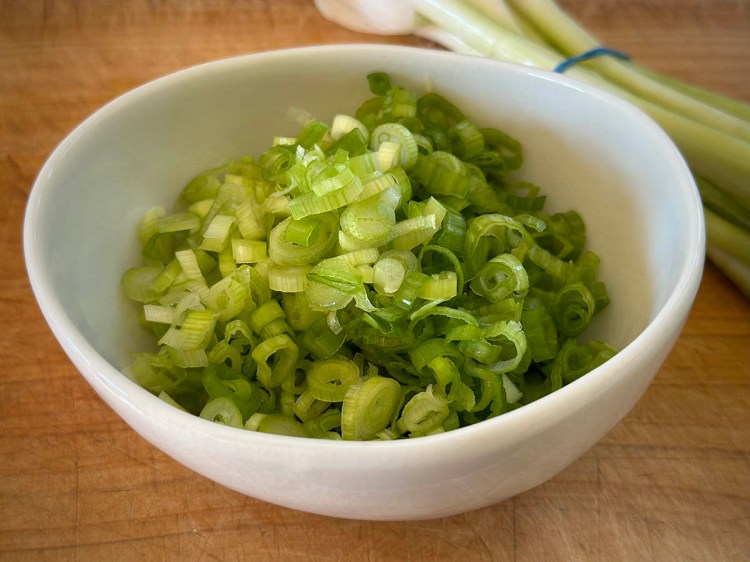
Chop the onions, green parts and all
Slice the tuna into bite-size cubes

Cut an avocado in half, remove the pit. Peel it, then slice into bite-size cubes.
Right before serving, toss the onions, tuna and avocado in a bowl with the sauce. Divide it between the two bowls of rice, then sprinkle with sesame seeds. (It’s good to wait to mix it with the sauce until you’re ready to eat, because soy sauce tends to “cook” raw fish.)
This is the most basic form of poke, and it’s perfectly delicious as-is. But if you’d like to fancy it up a bit…

More Japanese add-ins I like
I usually put these in little dishes on the table and let people sprinkle on the ones they like.
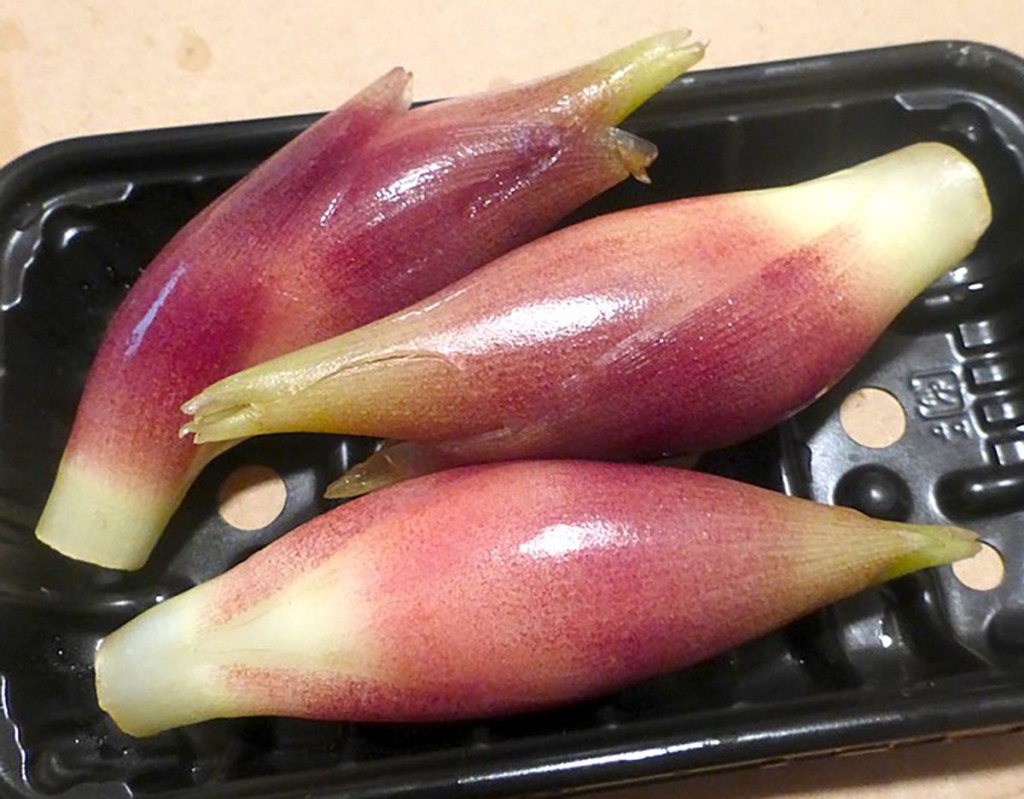
Minced myōga
Thin-snipped shiso leaves

Shiokonbu sweet-salty seaweed

•
Click here for more Japanese Home Cooking Recipes

•
Or get a fresh recipe sent to your email every month when you subscribe!

•

•
•

Jonelle Patrick writes novels set in Japan, produces the monthly Japanagram newsletter, and blogs at Only In Japan and The Tokyo Guide I Wish I’d Had
 Japanagram