The stranger-than-fiction beauty secrets of Japan’s first-rank courtesans
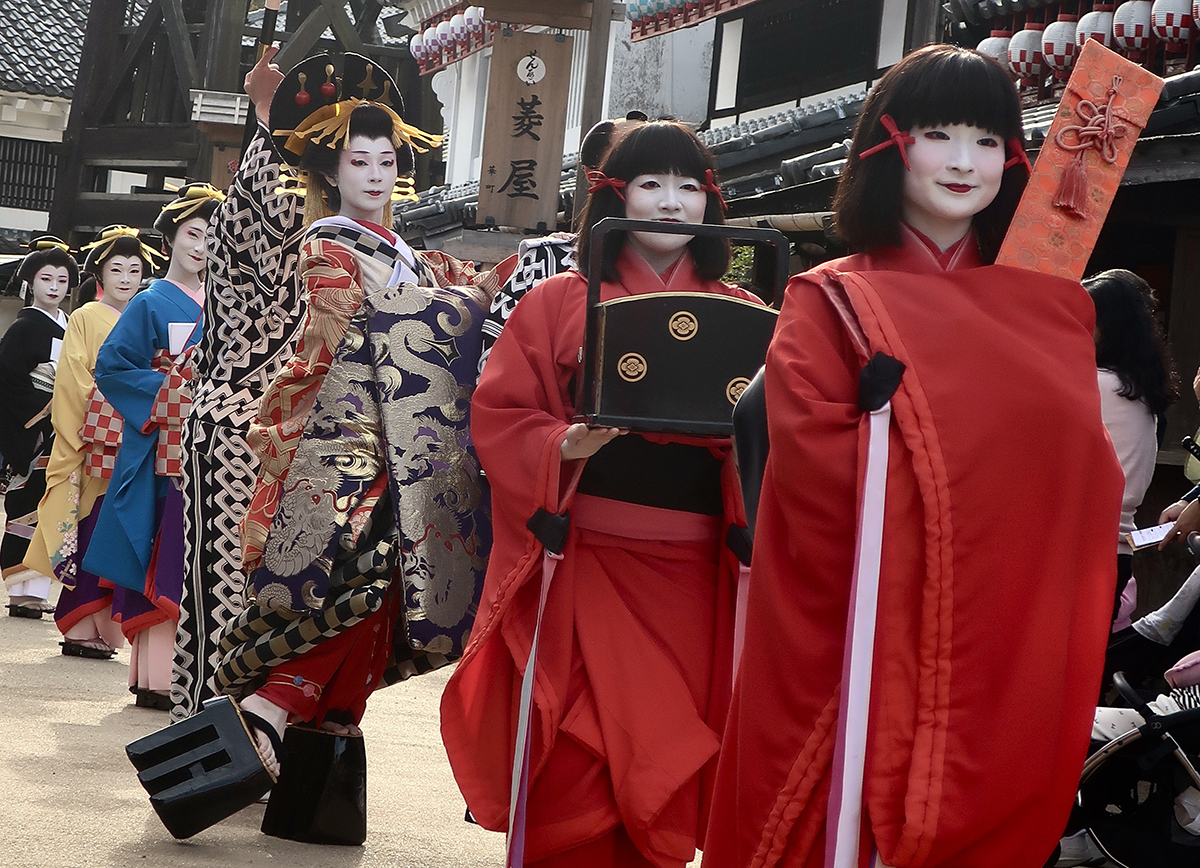
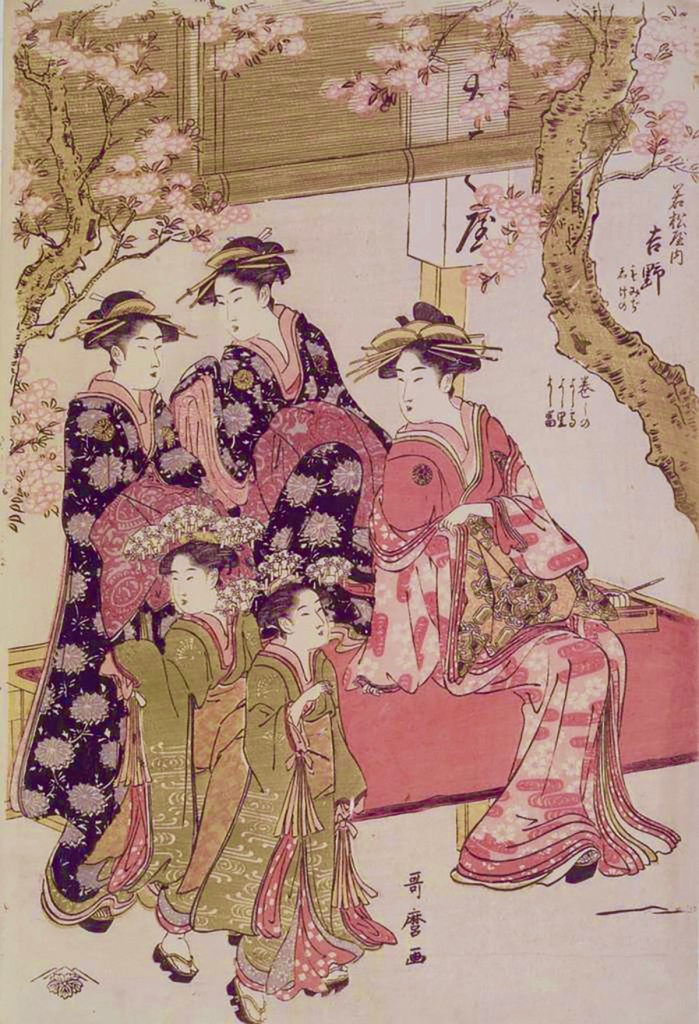
In 1790, geisha were still the mousy little entertainers who made music in the background while wealthy and powerful patrons waited impatiently for the main attraction, the first-rank courtesans known as oiran. There was nothing understated about these women who clawed their way to the top of the pleasure quarter pyramid. They dressed in robes that cost more than a laborer made in a year and sported entourages of lesser courtesans like human fashion accessories.
But sauntering down a Tokyo street today, an Edo Period oiran would only turn heads because her chalk white face, black teeth, and eyebrows painted like tiny feathers halfway up her forehead would make passersby elbow each other with curiosity, not desire.
How could such a bizarre style ever have been considered alluring?
The truth is, the hairstyle and extravagant layers of robes worn by White Pearl in The Samurai’s Octopus would have looked nearly as strange to ordinary citizens on the streets of eighteenth century Edo as they do today. But inside the Great Gate, Yoshiwara’s unique fashion aesthetic ruled. If you’ve ever bought a sunset-hued muumuu in Hawaii, then got home and wondered, “what was I thinking?” you begin to understand how landing in a place that’s profoundly different from home can shift your idea of what’s fashionable and what’s not.

Because keeping an oiran was the ultimate status symbol—it required jumping through countless hoops and spending pots of money before one was allowed to become a patron—being seen with a woman whose appearance proclaimed her rank was a key perk. By the time White Pearl and her apprentice Birdie appear on the scene in 1784, oiran fashions had been evolving within Yoshiwara’s walled confines for nearly two hundred years, and the way courtesans stood out in this hotbed of competition was by looking more and more extreme.
Marie Antoinette’s bouffant looks downright vanilla next to a Yoshiwara oiran
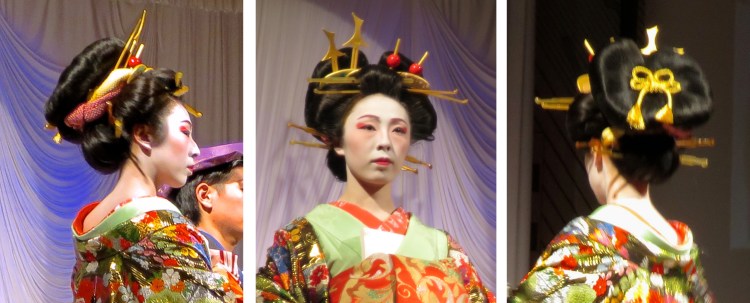
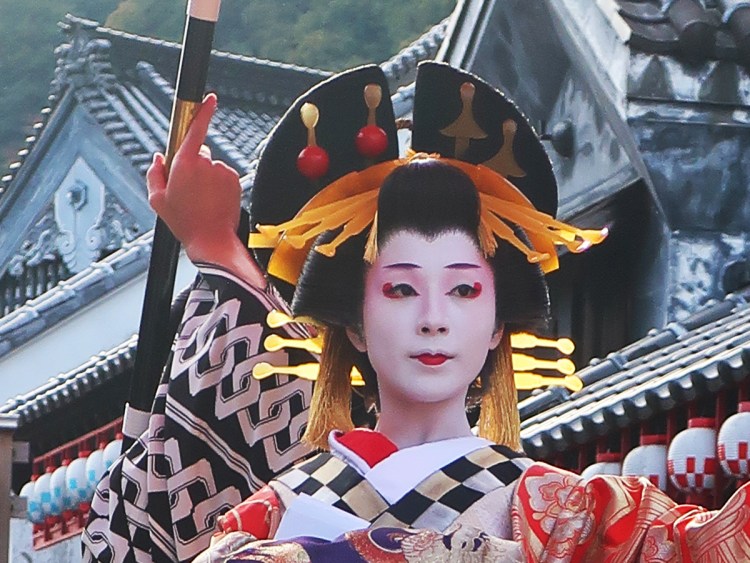
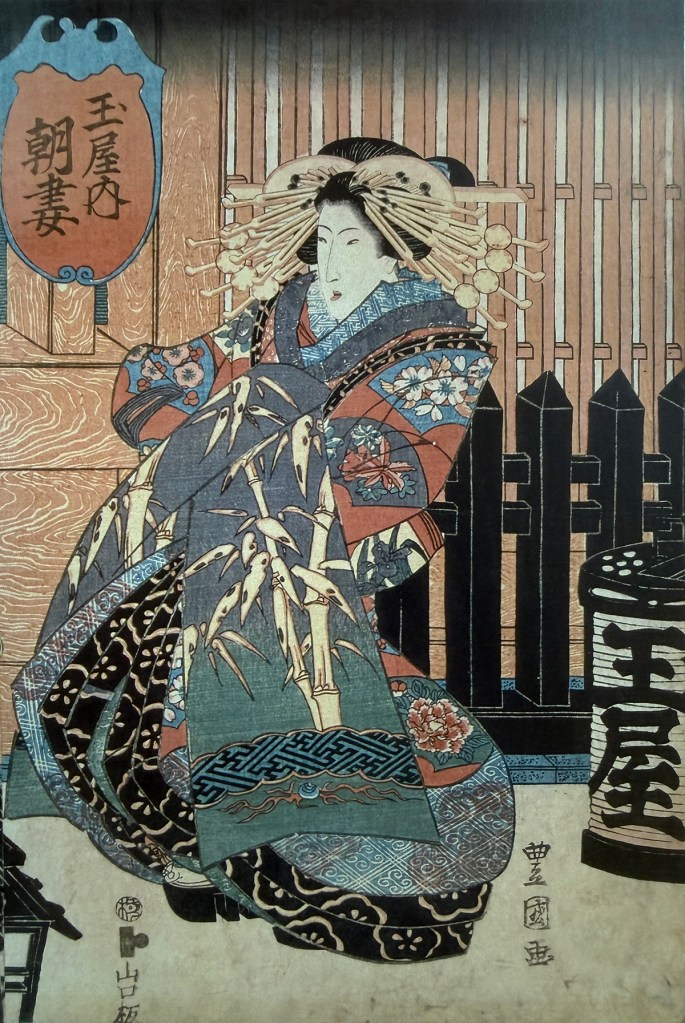
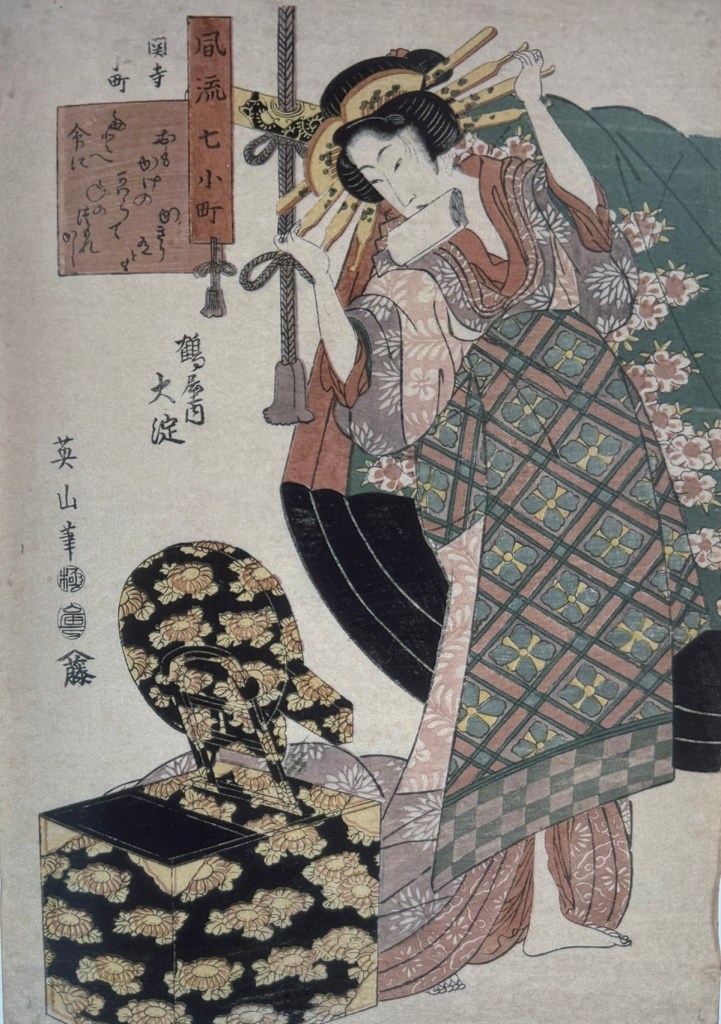
By 1790, a oiran’s hairdo required augmenting her natural, knee-length tresses with pads of additional pomaded hair, sculpting them into front poufs and side wings and stretching them over a tall disk that rose from the back of her head like the full moon.
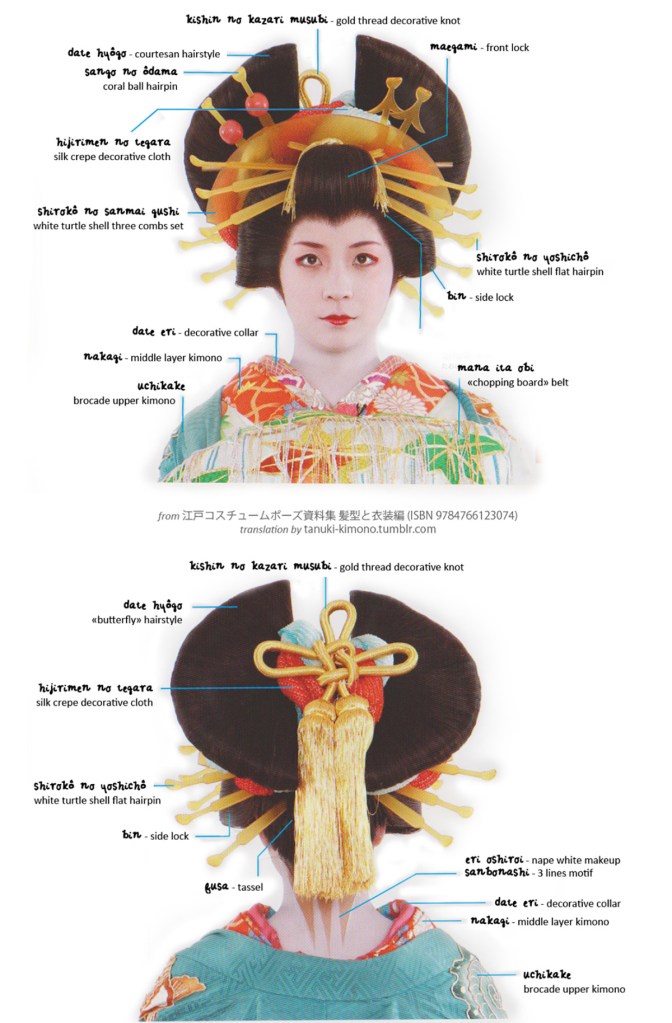
This elaborate confection displayed her status, showcasing the many expensive hair accessories bestowed by her admirers: hand-carved combs, ornaments studded with gemstones…
and no fewer than eight rare tortoiseshell hairpins that fanned around her face like rays of the sun.
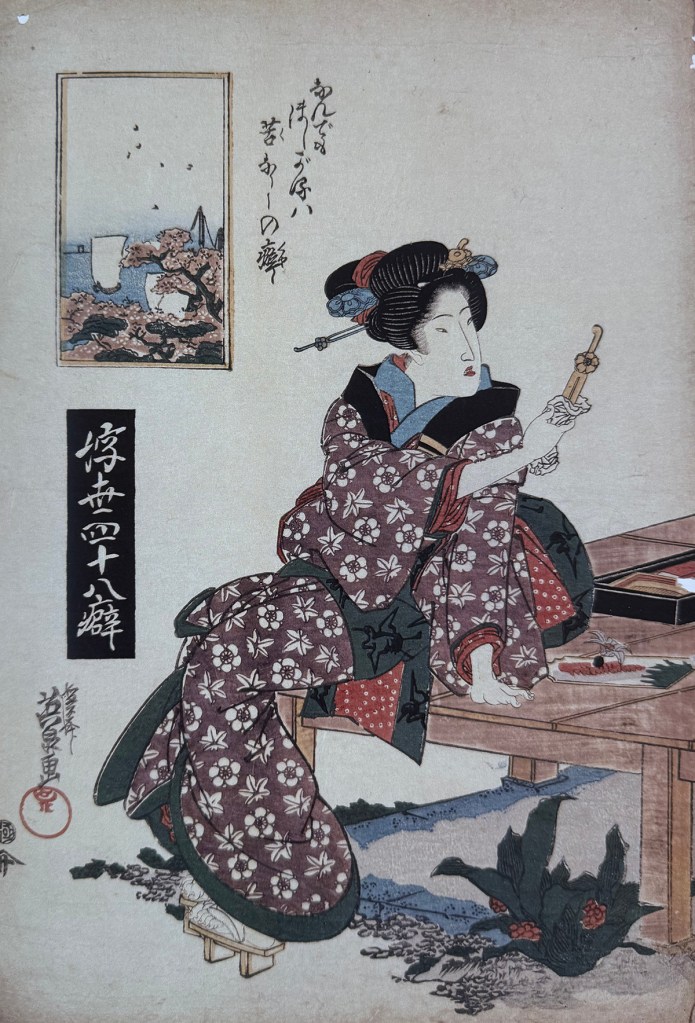
White skin and black teeth
Pale skin was prized as a sign a woman didn’t have to work outdoors to survive, and once a courtesan attained first-rank status, she was permitted to paint her face with an exclusive chalk-white, lead-based foundation and enter into legal contracts with her patrons in a three-sips-of-sake rite that mimicked the marriage ceremony.
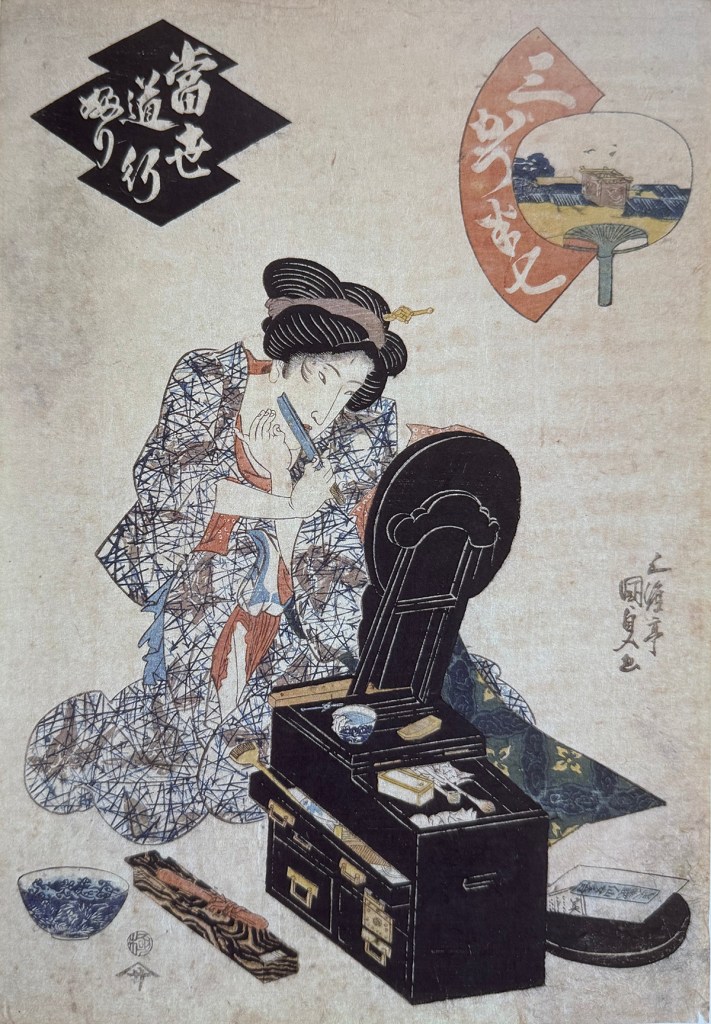
She was then allowed to blacken her teeth like a samurai wife. This beauty convention had been practiced by Japanese women of status for hundreds of years, because even giving one’s face a little whitening boost with rice powder makes anyone’s teeth look unpleasantly yellow by comparison. Blackening the teeth solved that problem.
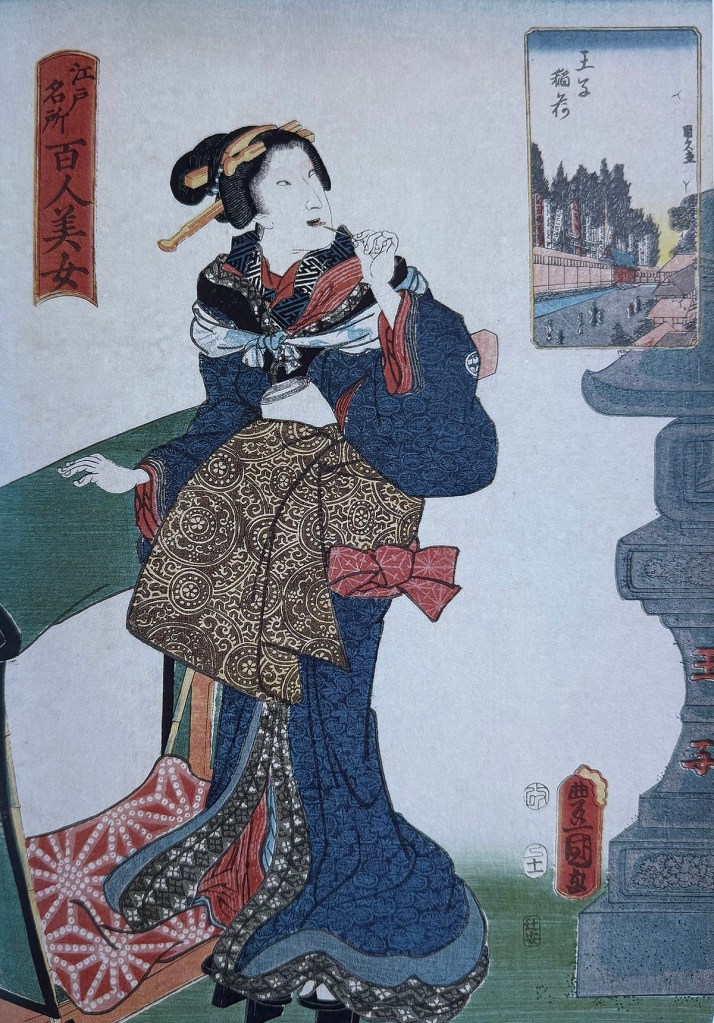
It was also considered uncouth to show one’s teeth in polite society, so a successful courtesan reddened her mouth with a costly balm made from safflower petals that shimmered with a greenish iridescence, so when she bestowed a rare smile or engaged in witty banter, a man focused on her lips rather than the darkened chompers beyond.
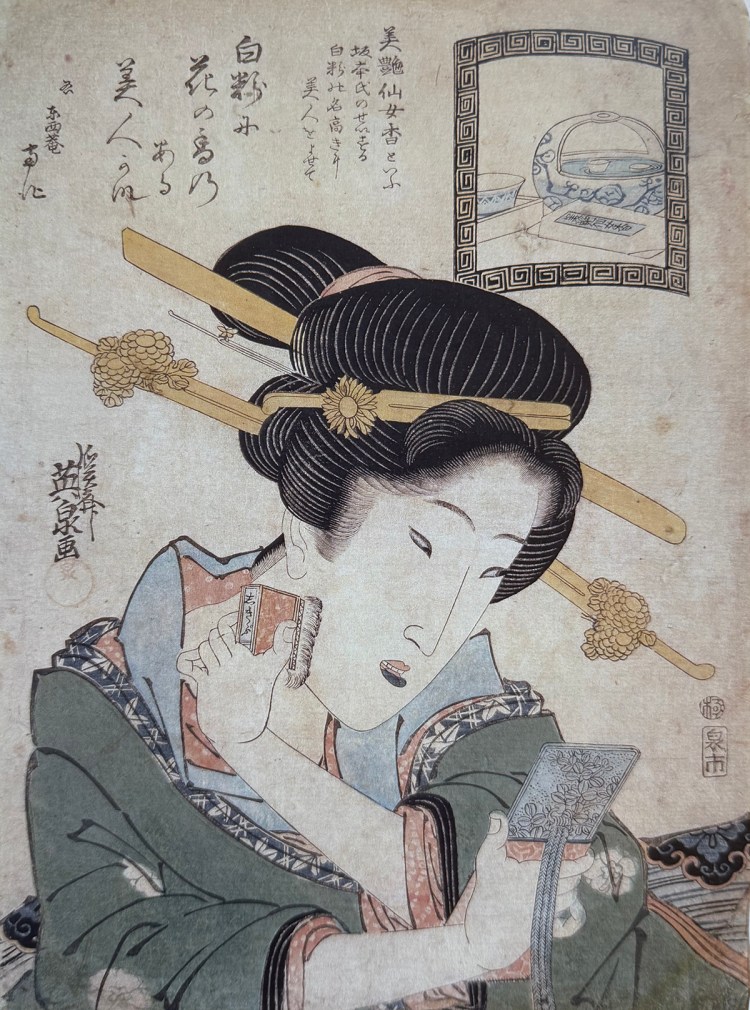
Eyebrows: the true window of the soul
The odd fashion of plucking out a courtesan’s natural eyebrows and redrawing them halfway up her forehead was also a tool of misdirection.
Oirans maintained their power over the men who supported them through manipulation and negotiation, which often required them to hide their true feelings. Mobile eyebrows are the hardest-to-control giveaway to a woman’s reactions, so redrawing them on a less-expressive part of the forehead enabled her to project a vaguely-interested “poker face” instead of the natural expressions that might give away what she was really thinking.
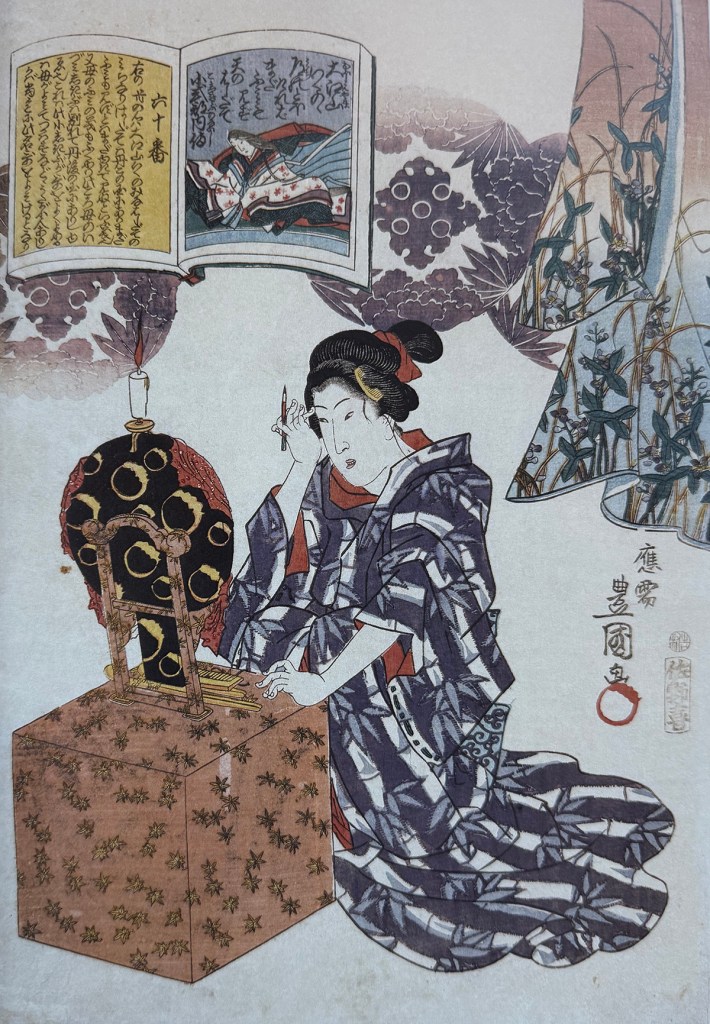
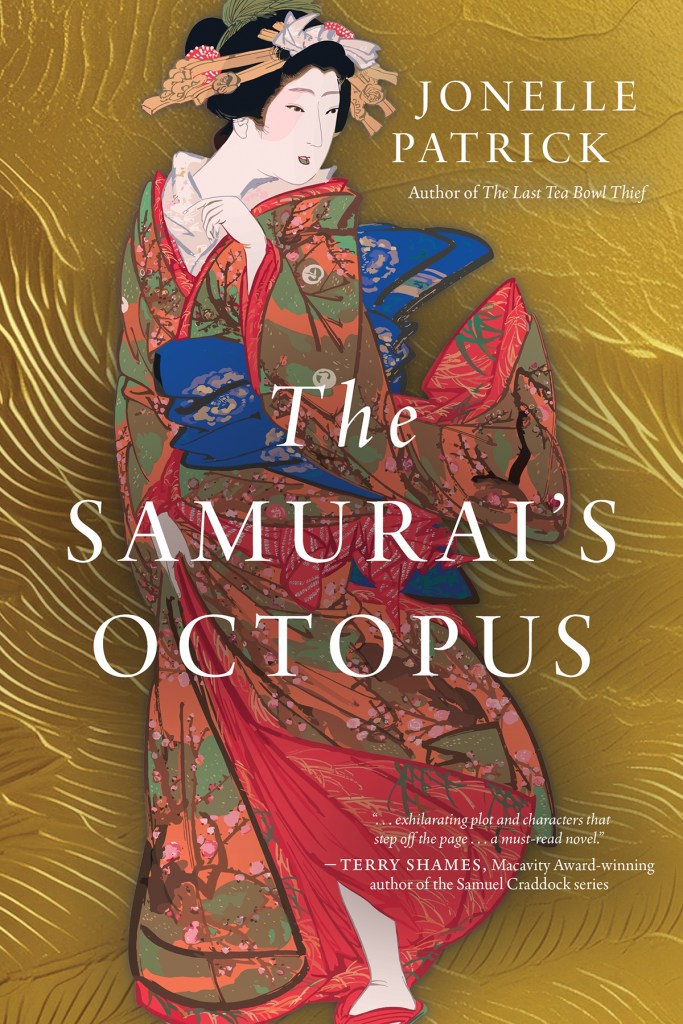
And why do I know so much about crazy hairstyles and black teeth?
The main character in The Samurai’s Octopus starts out as a girl whose job is to be a first-rank oiran’s human fashion accessory. Birdie longs to be one of the beauties strutting down the boulevard under her own red parasol, but the higher she climbs and the more she discovers about the art of manipulating men, the more she learns that those she trusts most might also betray her in a heartbeat…learn more
•
Click here for more The Thing I Learned Today posts

•
Or get more amusing Japan stuff sent to your email every month when you subscribe!

•


Jonelle Patrick writes novels set in Japan, and blogs at Only In Japan and The Tokyo Guide I Wish I’d Had
 Japanagram