I follow a lot of travel advice forums, and this question has been coming up a lot lately, as people make summer vacation plans.
I’ll be the first to tell you that if you plan to be in Japan anytime between May and October, it’s going to be steamy. Not just hot, but humid in that way where you always feel a bit sticky. Your body’s valiant attempts to cool itself by evaporating moisture just don’t work very well in the soggy Japanese summer.
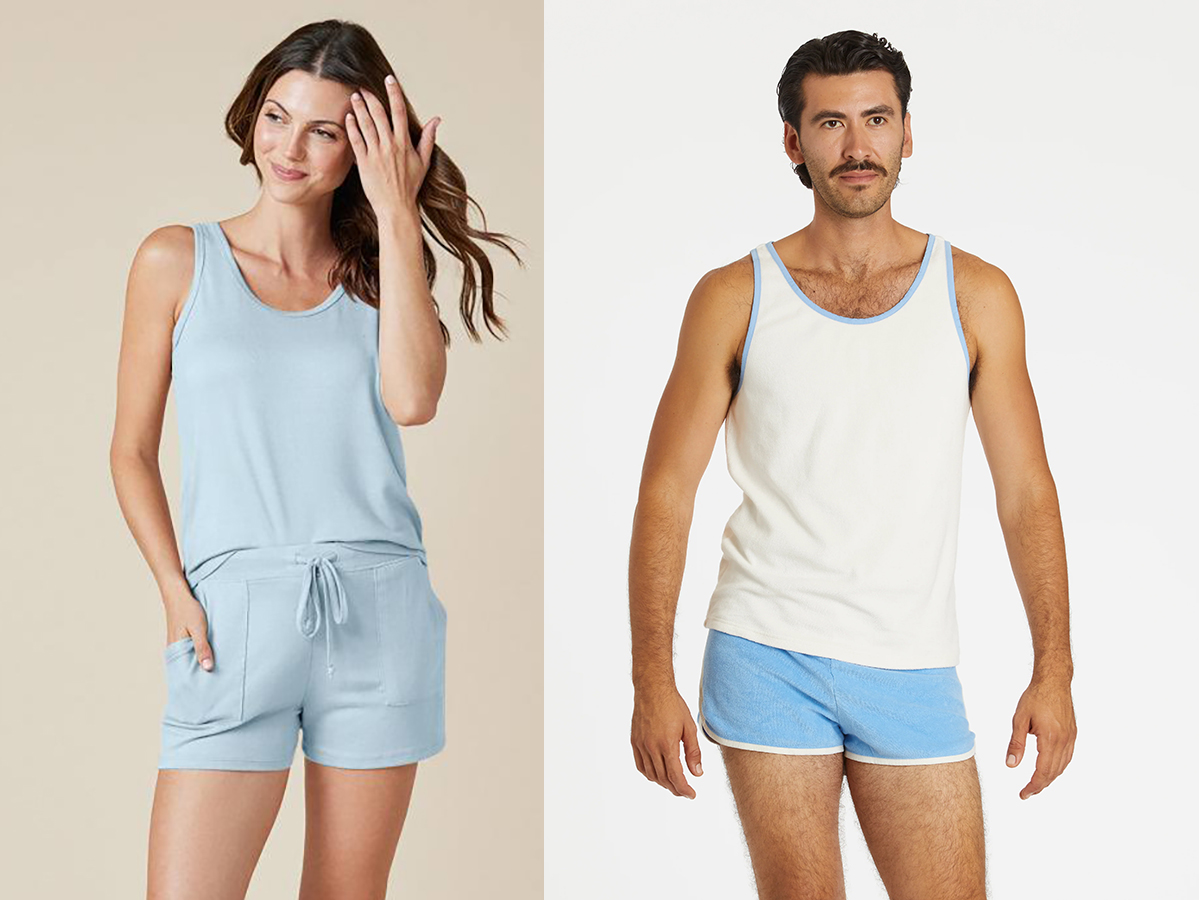
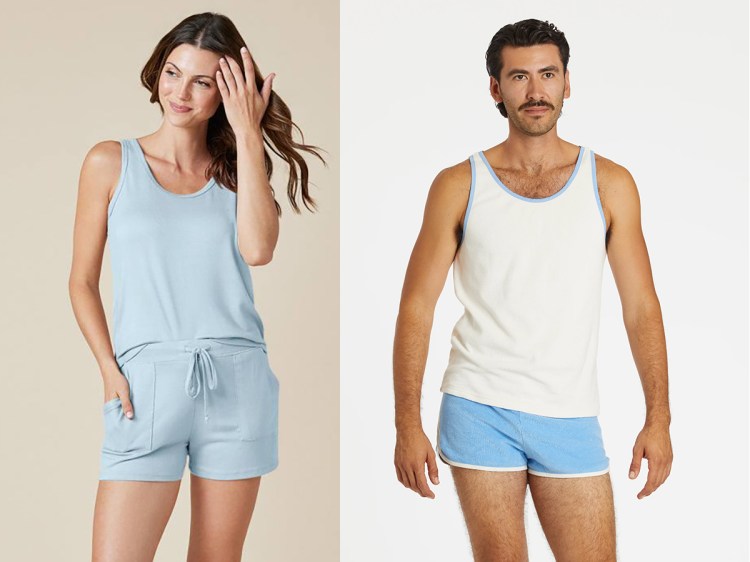
Back home, sweltering temps and high humidity obviously call for shorts and tank tops, but perhaps you’ve heard rumors that displaying your bare skin (even when it’s hella hot) is Not Done in Japan. So:
Is it okay to wear shorts and tank tops in Japan?
Instead of telling you yes or no, let’s walk through this together.
Japan is a crowded country. This is what a train platform looks like during rush hour.
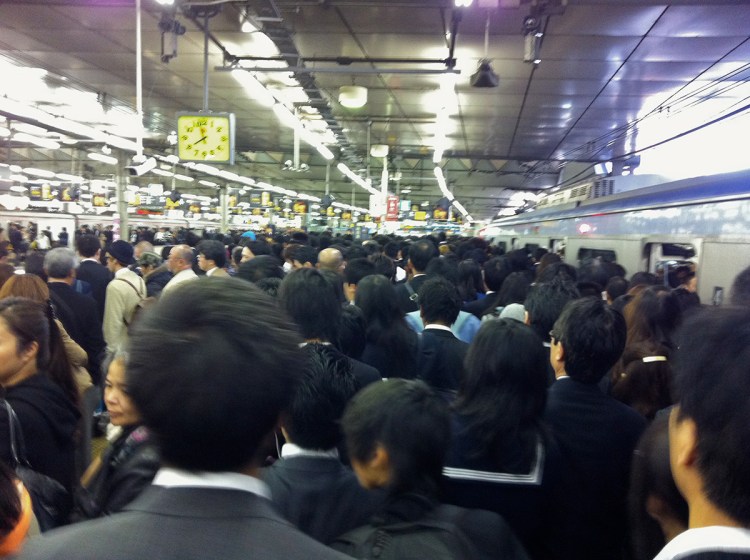
Two minutes ago, each of these people was packed inside a train car, like sardines. Fellow commuters were pressed up against each other on all sides. Chances are, sometime while you are in Japan, you’ll ride a crowded train too. Even if it’s not as crowded as this, you will be involuntarily touching at least two strangers, and probably more like three or four.
If you were wearing nice clothes suitable for a business meeting or a date or even lunch with your friends, how would you feel about being pressed up against a sweaty stranger’s bare skin?
I can see you’re a considerate traveler and you understand. There’s no religious or social modesty reason to avoid bare skin in Japan; it’s all about the squickiness of being sweated on by a stranger.
But ugh, surely nobody is expected to suffer in long sleeves and trousers for five months of the year?
They do wear long sleeves and long pants, but they don’t suffer. Here’s how the Japanese have been surviving in—and even celebrating—Japan’s summer heat for centuries.
1: Japanese clothes are designed to cover as much skin as possible to protect it from the sun
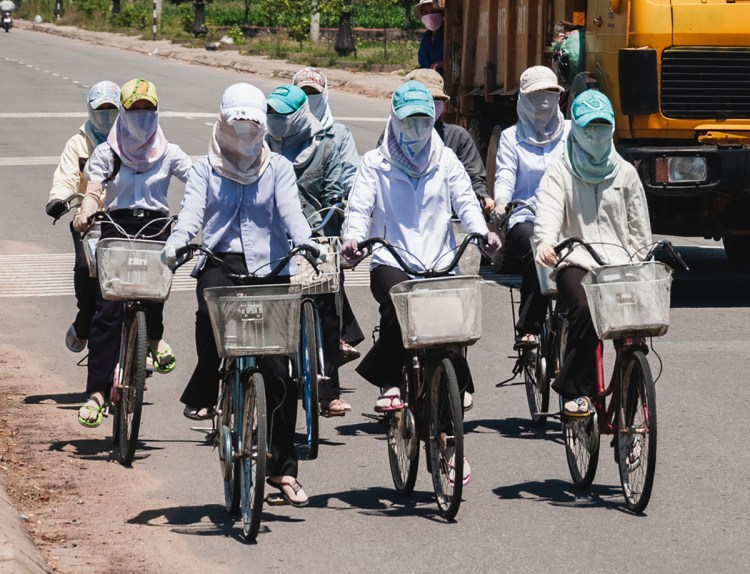
and women often don arm-covering gloves to avoid getting an unsightly tan if they’re wearing short-sleeved tops or dresses.
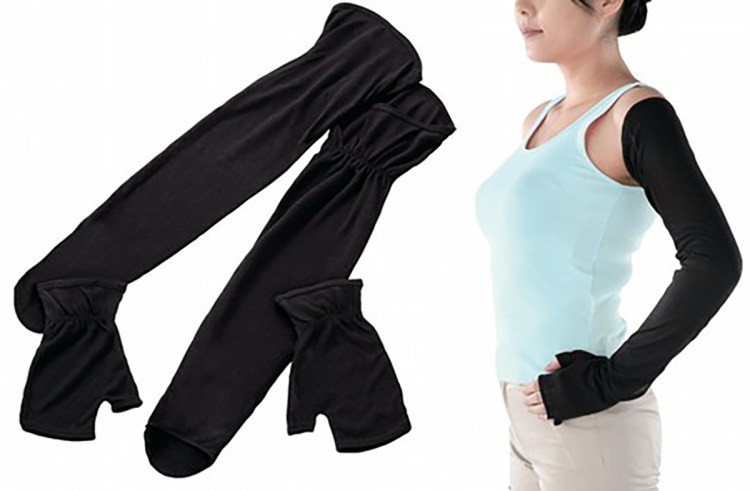
2: Japanese summer clothes are designed to be loose, so they don’t trap an insulating layer of air close to the skin
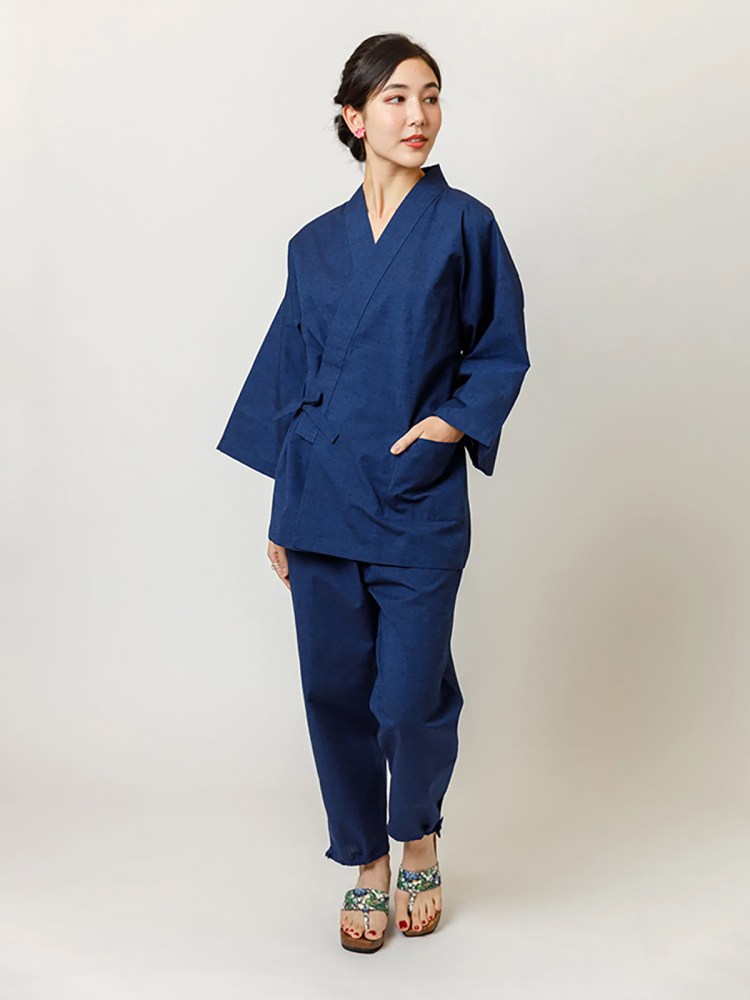
Both men and women…
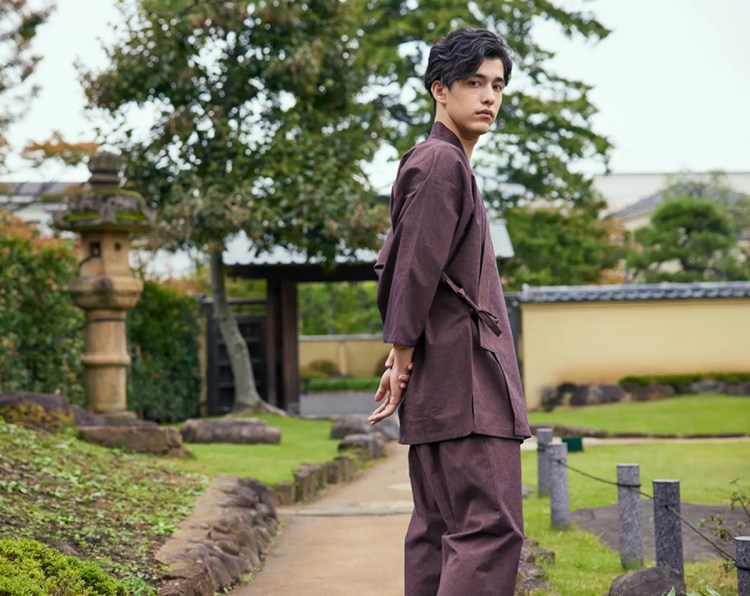
wear simple styles like these to beat the summer heat.
Or they dress in the unlined cotton kimonos known as yukata, which don’t require the same elaborate underpinnings and ties used by more formal kimonos.
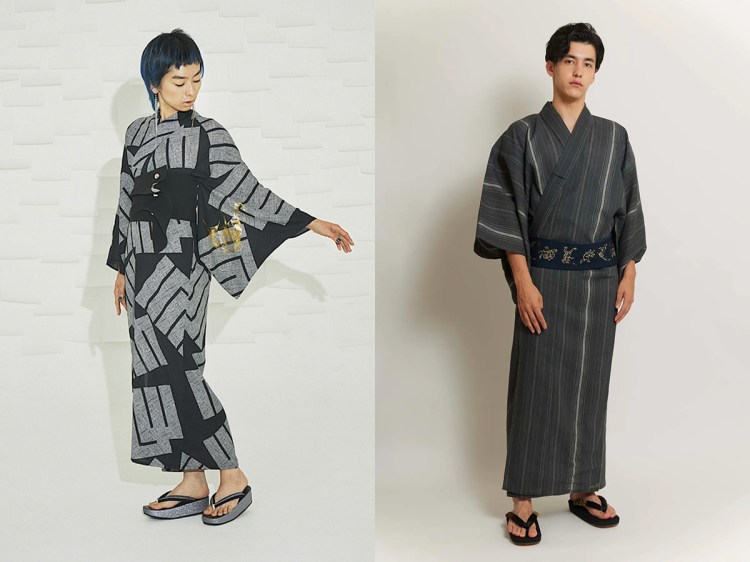
Women can always wear skirts and dresses—which are naturally cooler than pants—and the one men’s exception to the shorts rule is the traditional summer outfit known as jinbei. Note how long the shorts are, though: they make sure bare skin never touches a public chair, bench or subway seat.
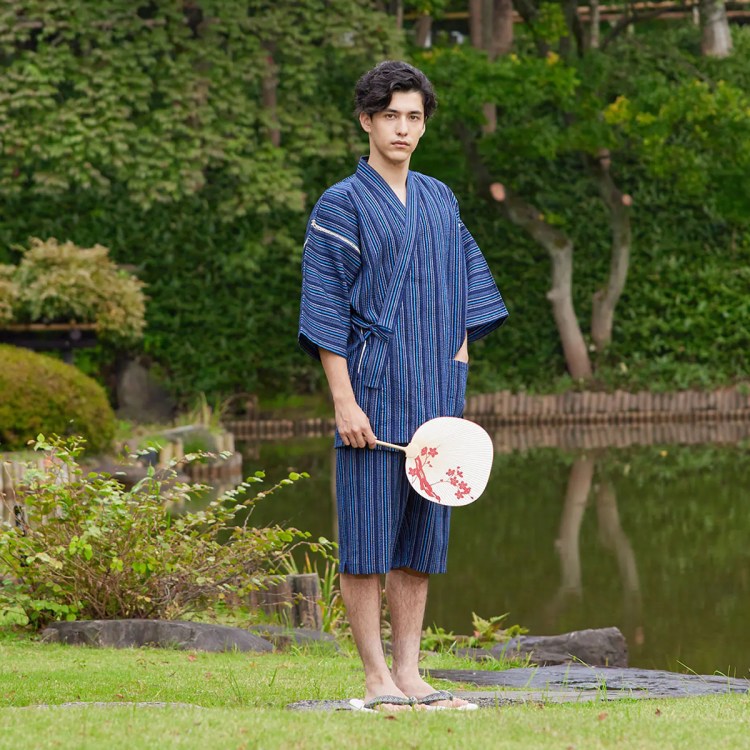
3: Japanese summer clothes are often made from crinkly cloth, so very little of the fabric actually touches your skin
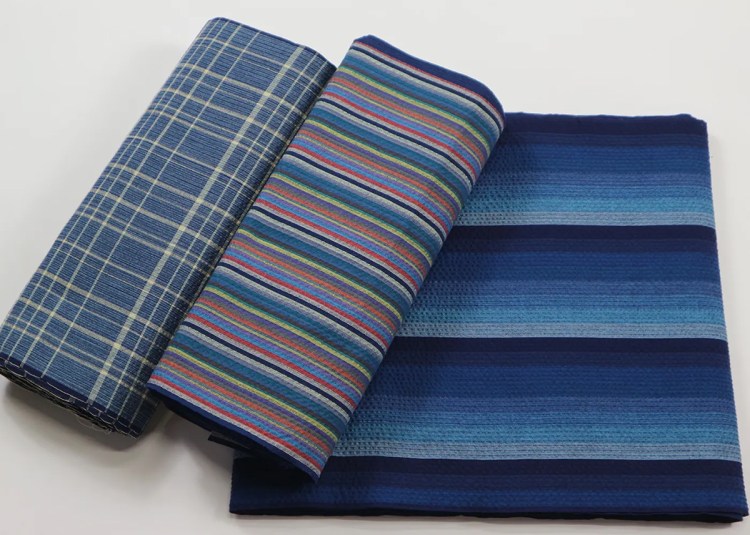
Traditional fabrics made of cotton are woven in ways that crinkle like seersucker, so only a small percentage of the cloth is touching your skin…
and modern designers like Issey Miyake have used new technology to make wrinkles work in fresh and fashionable ways
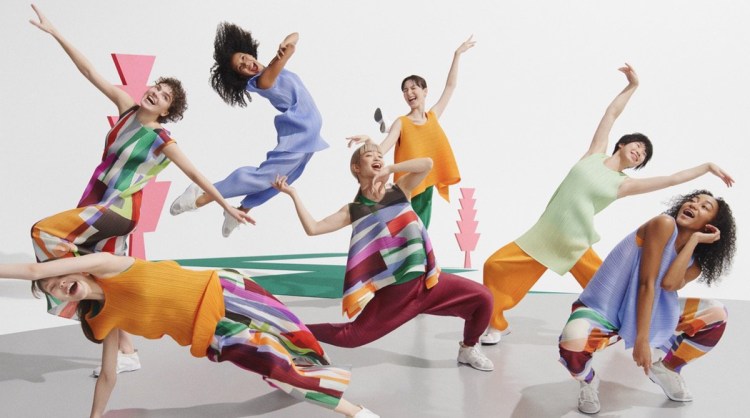
The links in the photo captions are a good place to start looking for Japanese summer clothes that fit Westerners (which may not be easy to find in Japan) but if you keep these Japanese heat-beating ideas in mind, you can choose things from your own wardrobe that will keep you cool without making the locals flee to the other end of the subway platform when they see you coming.
•

Jonelle Patrick writes novels set in Japan, and blogs at Only In Japan and The Tokyo Guide I Wish I’d Had
 Japanagram
I’ve always thought the whole Pleats Please line is boxy and weird, but I can see the practicality. A lady I met who travels for work a lot said they’re wonderful. They squash down to nothing in a suitcase, look sharp and professional and wrinkles are not an issue. Fair enough. If only the entire line wasn’t made in hideous colors….
LikeLiked by 1 person
I’m with you 100%! And they make everyone look like their bodies are the weirdest shape, because they sort of stand on their own. And the colors. Don’t get me started. Bright orange and green and purple look good on Japanese people, but not on old vanilla hakujin me.
LikeLike