
These destinations will make you glad you skipped cherry blossom season
If your travel goal is to check off every Japanese destination people have tagged with 100,000+ hashtags on Instagram, by all means go during cherry blossom season. But if you’re the kind of traveler who loves to be the first to have breathtakingly gorgeous and unique experiences (or if your travel buddies are split between rabid skiers and those who’d rather not spend their vacation on a freezing cold chairlift) read on! Because winter is the only time you can see the wonders I’m about to show you.
Only-in-Japan destinations: Like nowhere else on earth
Shall we start with a couple of natural wonders?
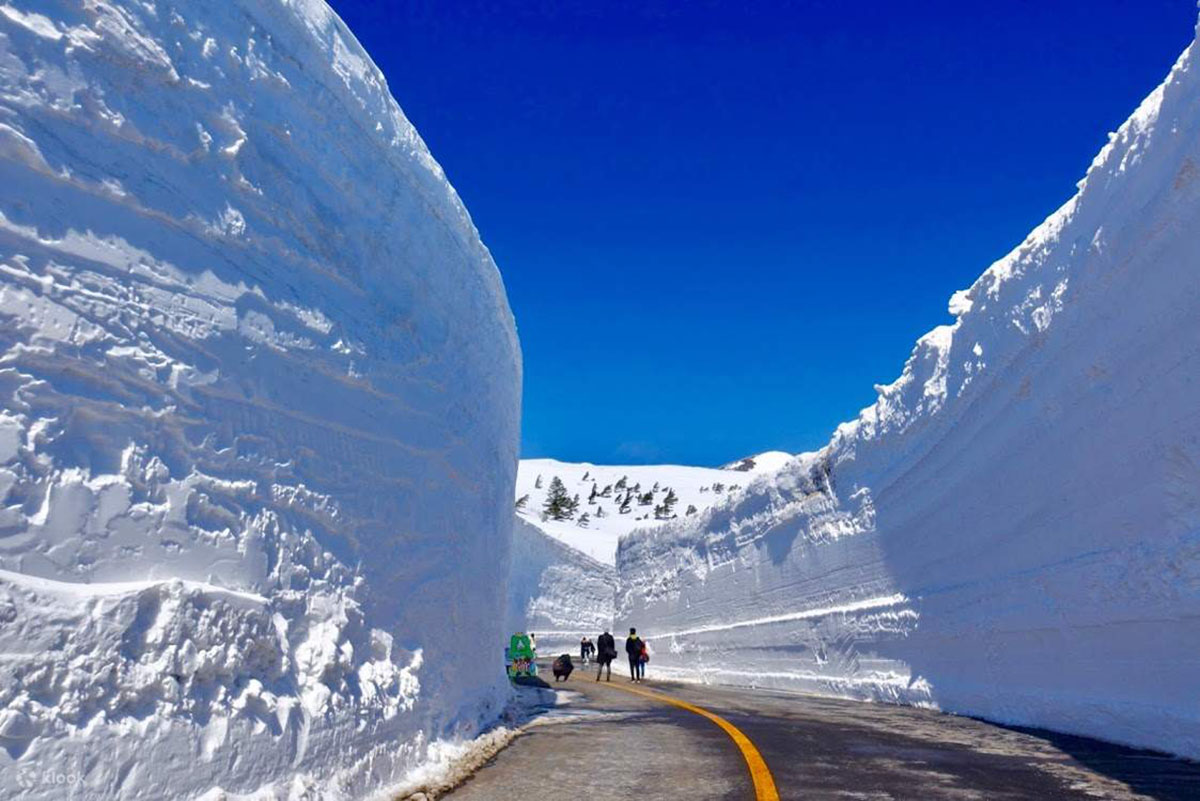
The inland prefectures north of Tokyo get so much snow that the snow itself becomes a destination. Toyama Prefecture is known for the sheer amount of white stuff that gets dumped on the mountains there, and it’s got top-notch tourist (and skiing) amenities because it attracts Japanese travelers from far and wide.
You can book a ride on the highway that becomes a mini Grand Canyon in winter!
Or head to Yamagata Prefecture and take a gondola to the top of the mountain at Zao Onsen in Yamagata Prefecture to see the snow monsters.
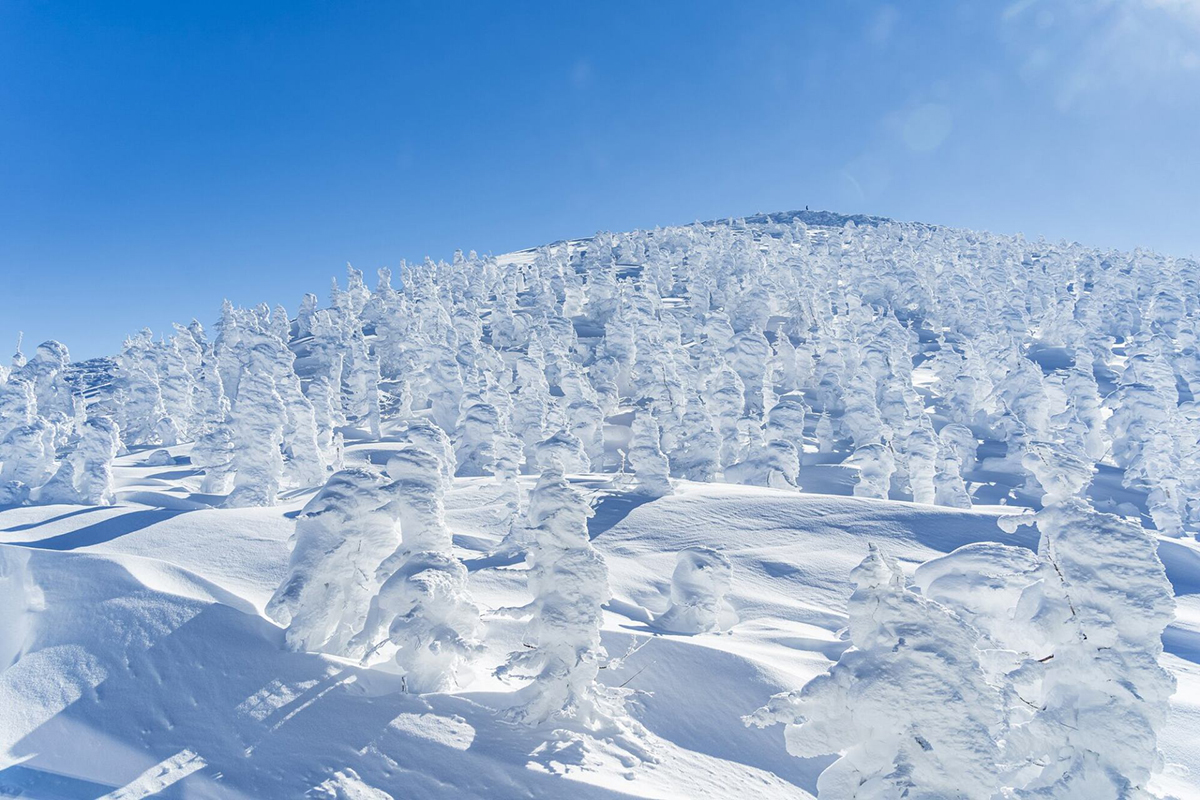
But that’s not all. The thing nobody knows before they come for the monster trees is that you glide over a forest completely swathed in unbelievably delicate hoarfrost on your way up the mountain…

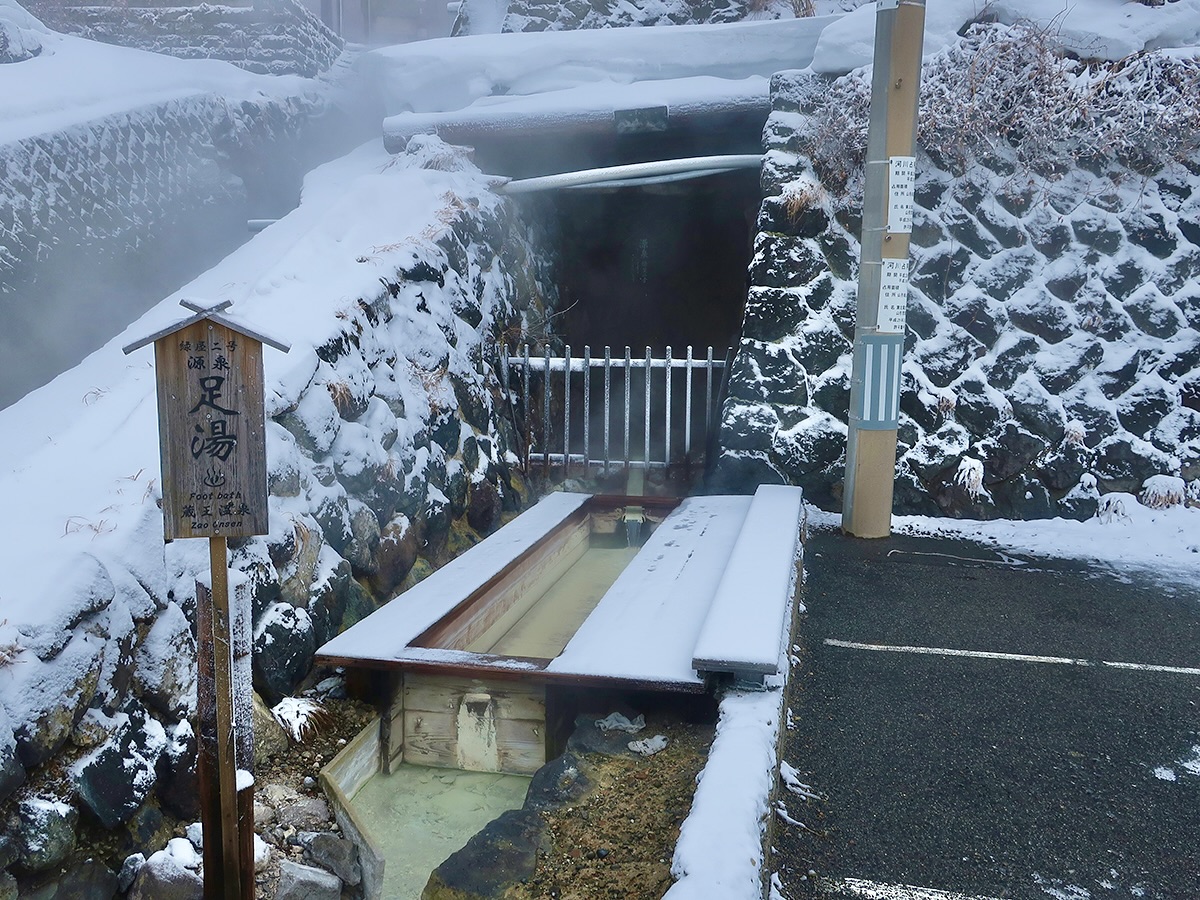
and you can warm your chilled toes on the way back to your inn at the many free public footbaths flowing with natural hot spring water that are dotted all over the nearby town.
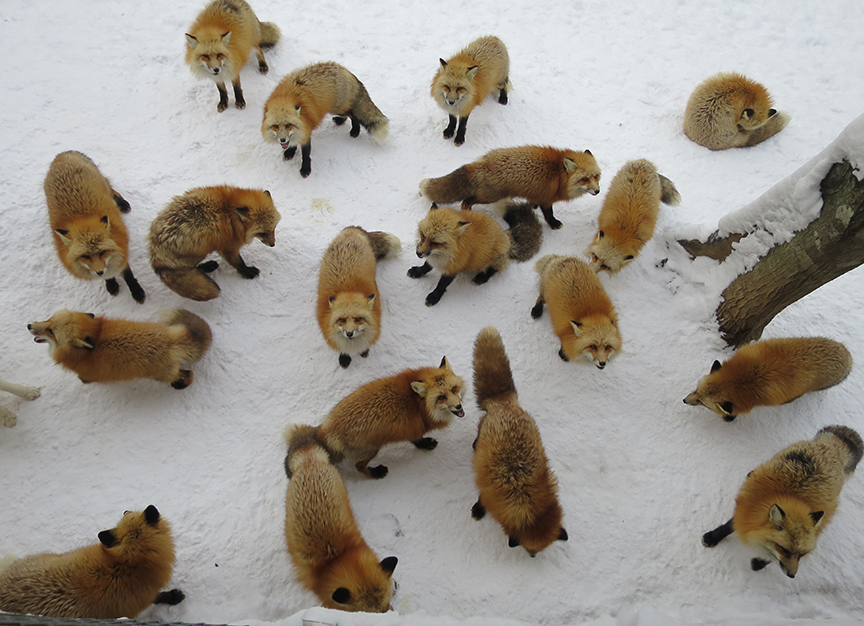
And while you’re in the Zao area (if you’re as big fox fan as I am), you can drop in at Zao Fox Village, where the foxes in their winter coats are at their fattest and fluffiest.
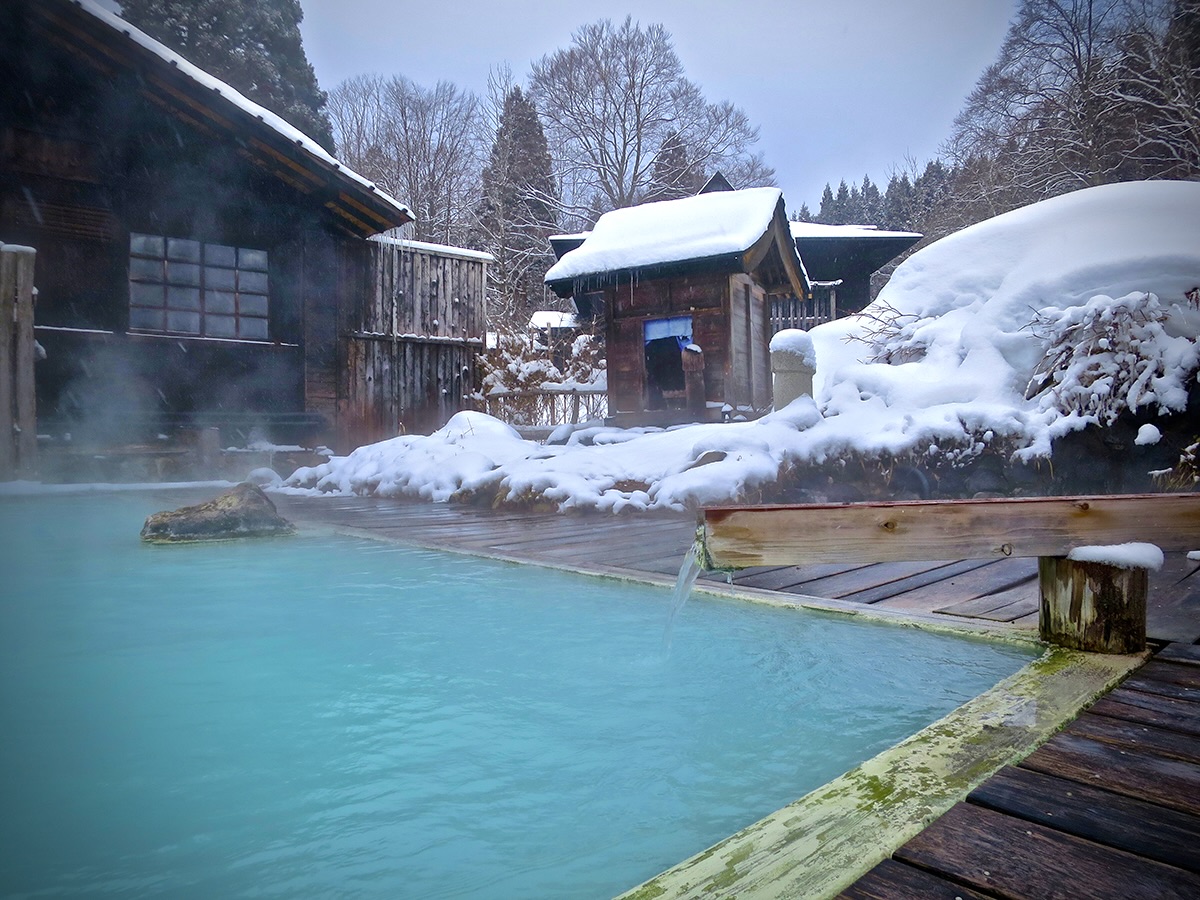
Or venture farther north to Akita Prefecture and immerse yourself up to your neck in the steaming mineral springs that eased the aches and pains of weary samurai for centuries. The water at Tsuru-no-yu Onsen really is this color, and as a cultural bonus, you can pray for fertility at that little hut surrounded by sacred snow-capped carvings that need little imagination to guess what they are.
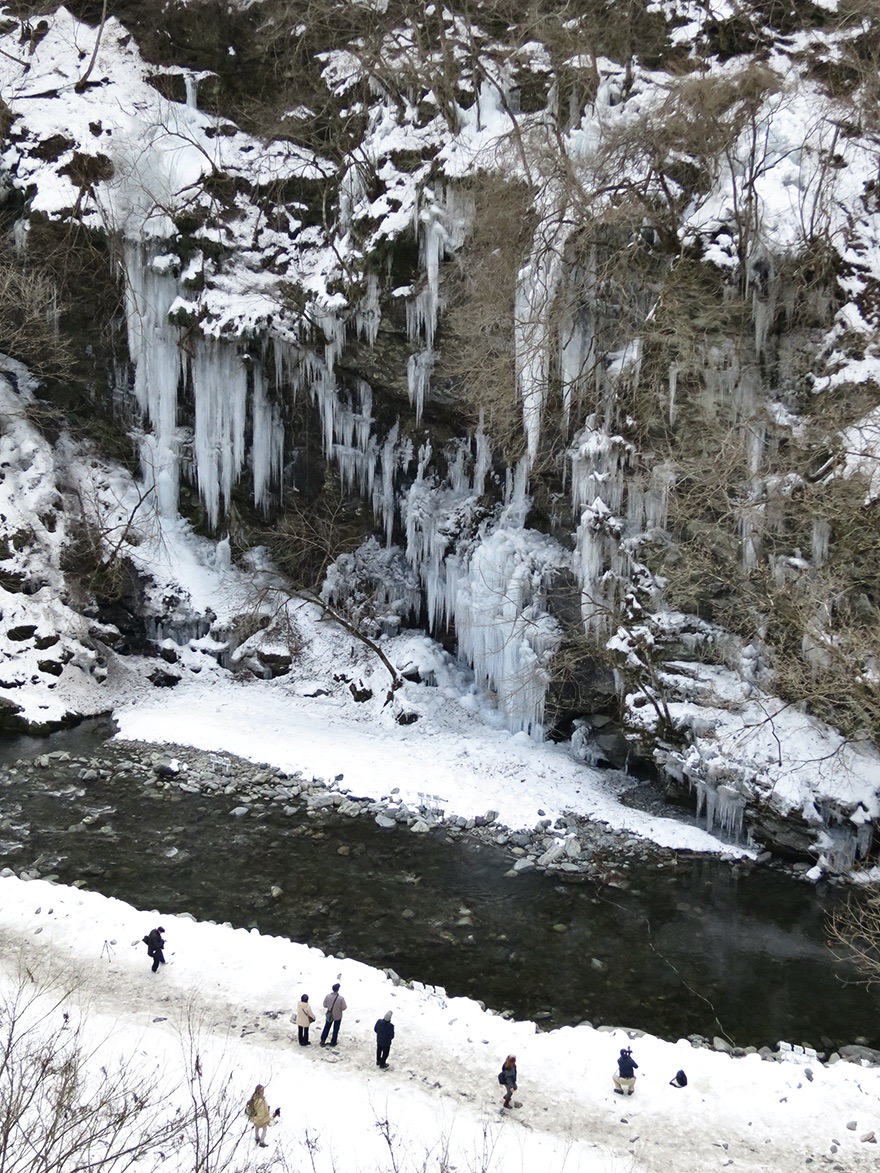
But even the more modest winter wonders are made marvelous in Japan. The Misotsuchi Icicles are next to a river just outside Tokyo, and while they’re impressive during the day (check out the tiny people!)…
at night they glow in a cycle of infinite mesmerizing colors

But Japan doesn’t stop at natural wonders. Like the cherry blossoms in the spring and the changing leaves in fall, snow is celebrated with some pretty spectacular festivals in wintertime.
I dare you not to say WOW
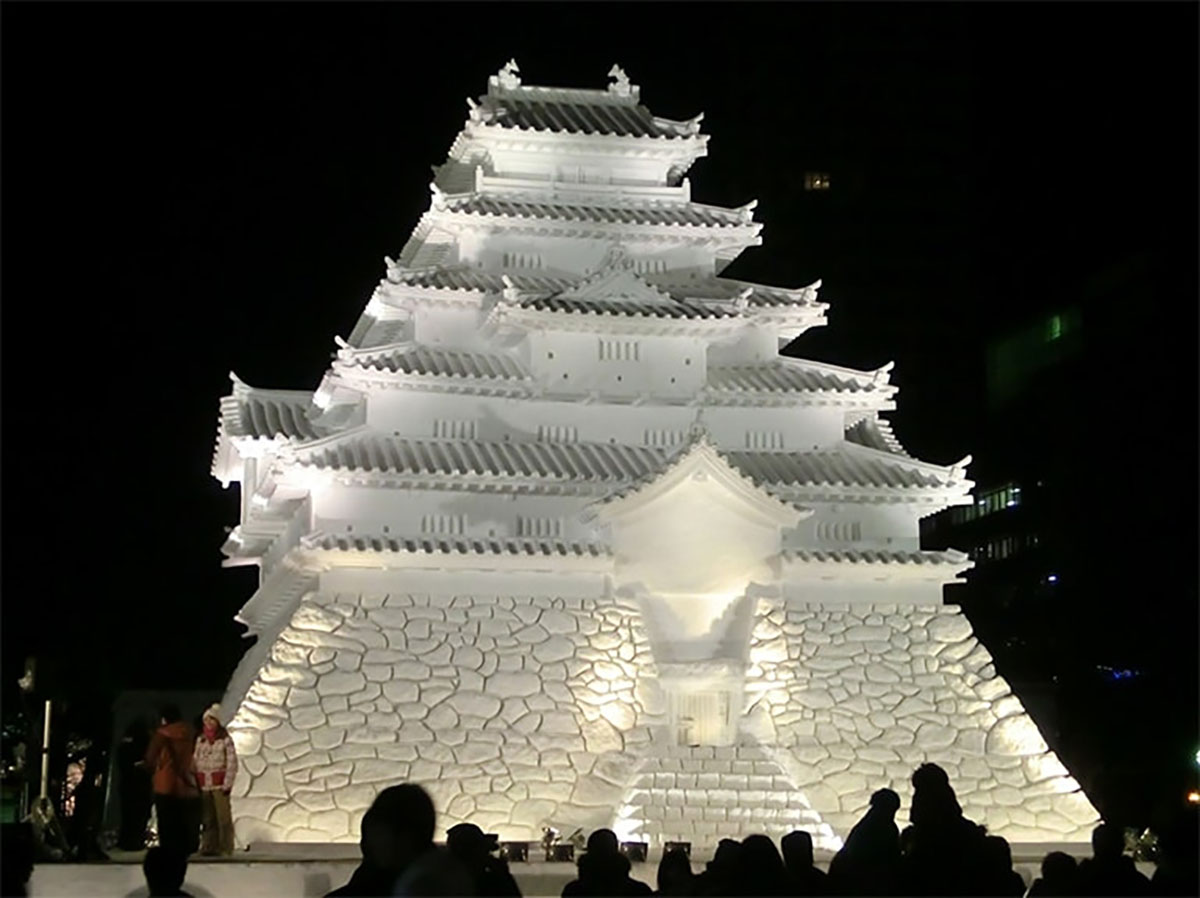
The Sapporo Snow Festival is the most famous, and walking among the towering sculptures and famous landmarks crafted from snow and ice is truly awe-inspiring. I haven’t been for a while, but I’ve noticed that the lighting gets more vivid and exciting every year.
The sculptures are fashioned entirely of ice…
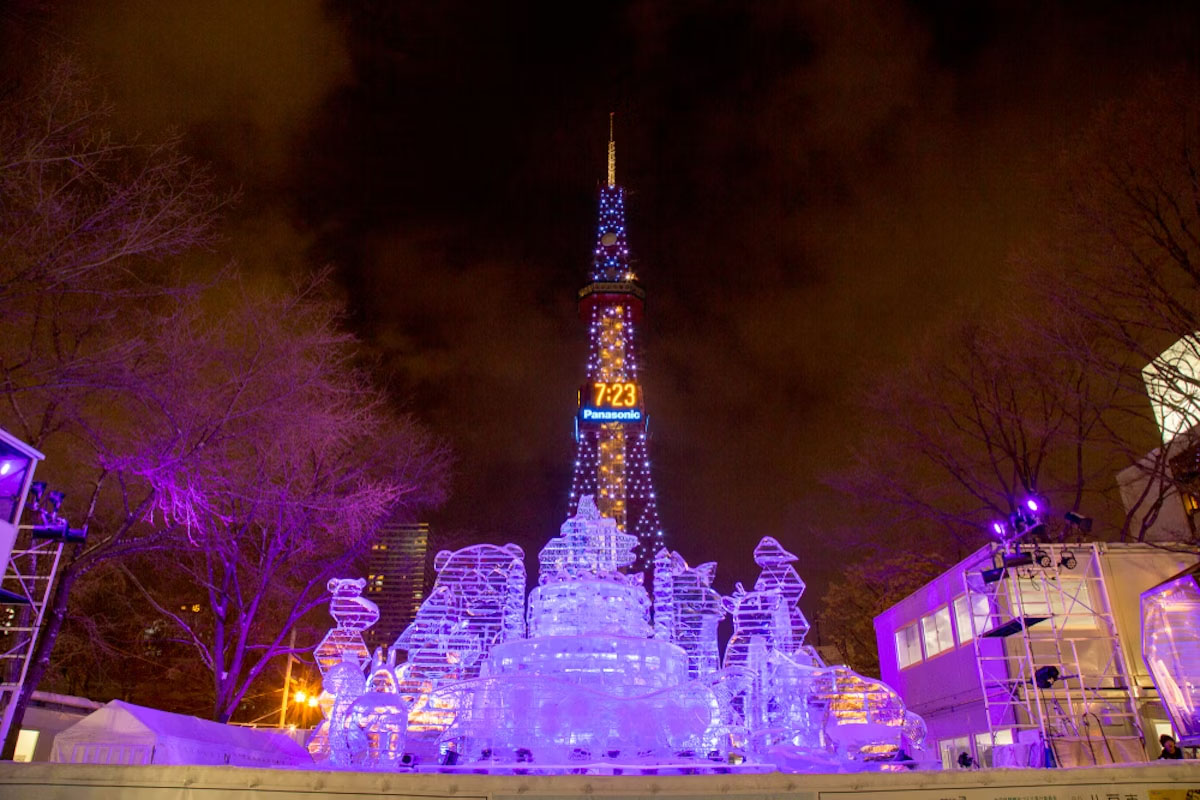
and snow. The giant character figures, famous landmarks, and snow castles are impressive during the day, but they really shine at night!
My favorite Japanese winter festival, though, is the traditional Kamakura Matsuri in the little town of Yokote in Akita Prefecture. Every year in mid-February, they build igloos large…

and small, all over town.
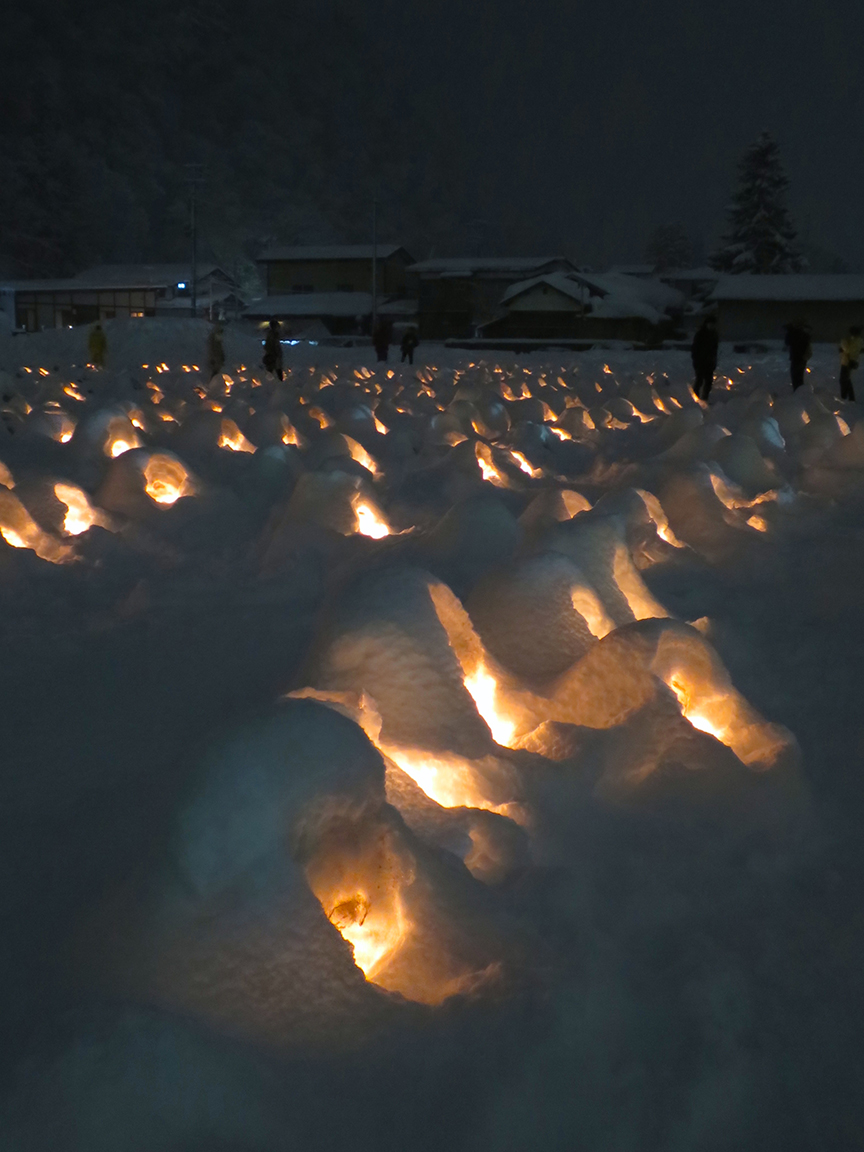
Middle school children staff the big ones, offering visitors amazake (a slightly alcoholic unfiltered sake, which is heated over little charcoal-fired hibachis), while younger children build little candle-lit igloos, each with a child’s drawing and a wish inside.
Added bonus: this festival features a REAL castle, lit up at night!

Speaking of castles…Japan has a lot of them, and the ones in snowy regions look their photogenic best when frosted in white. There is one right in downtown Kanazawa
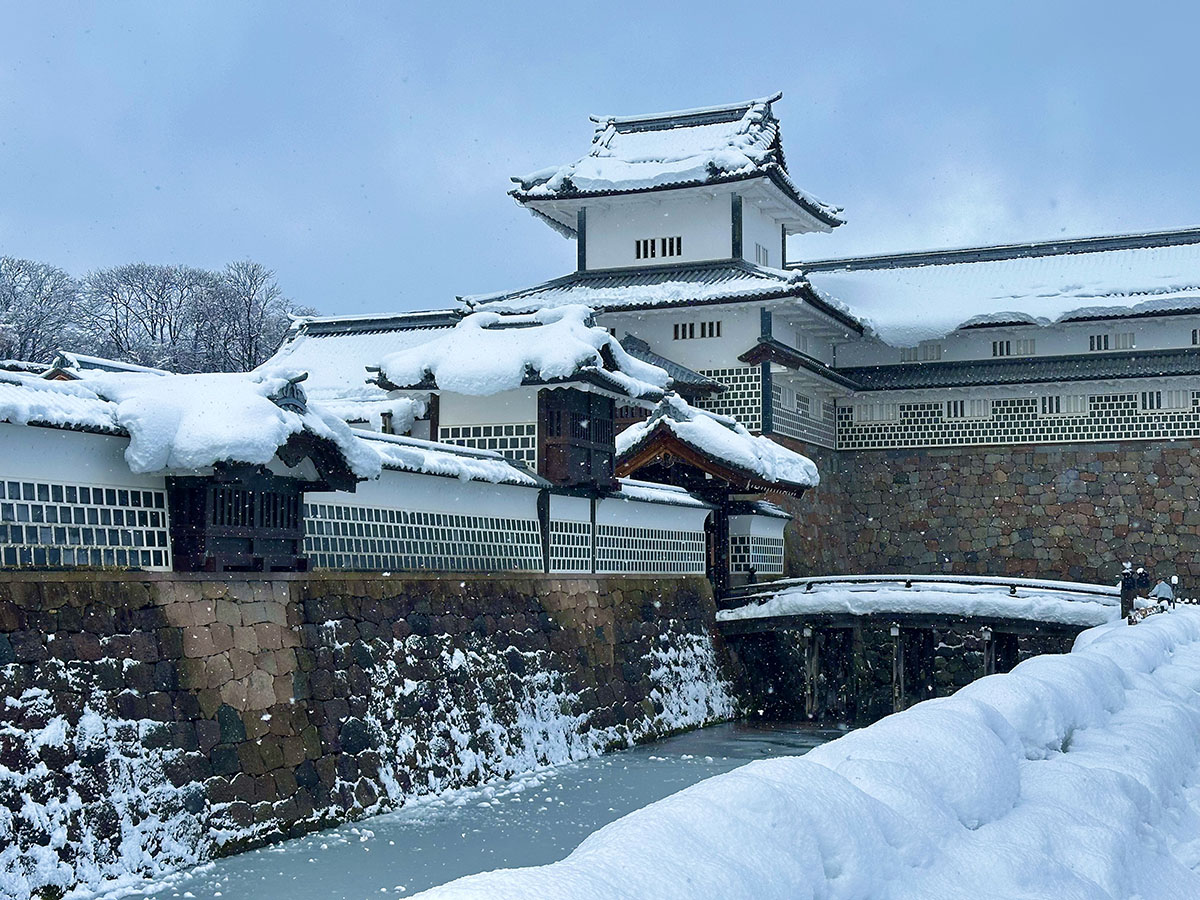
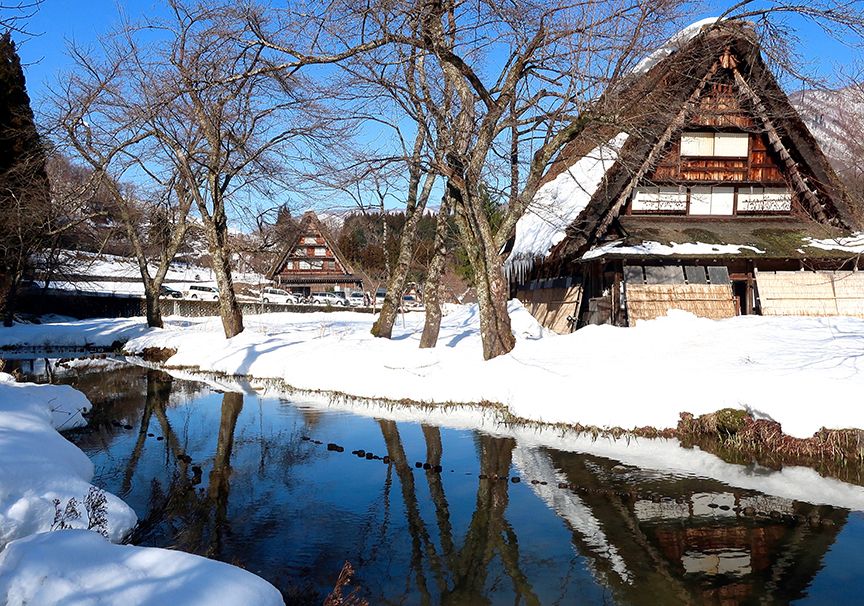
a city most visitors flock to as the jumping-off point for tours to the village of Shirakawago…
but it’s Kanazawa Castle that does not disappoint when covered in snow.
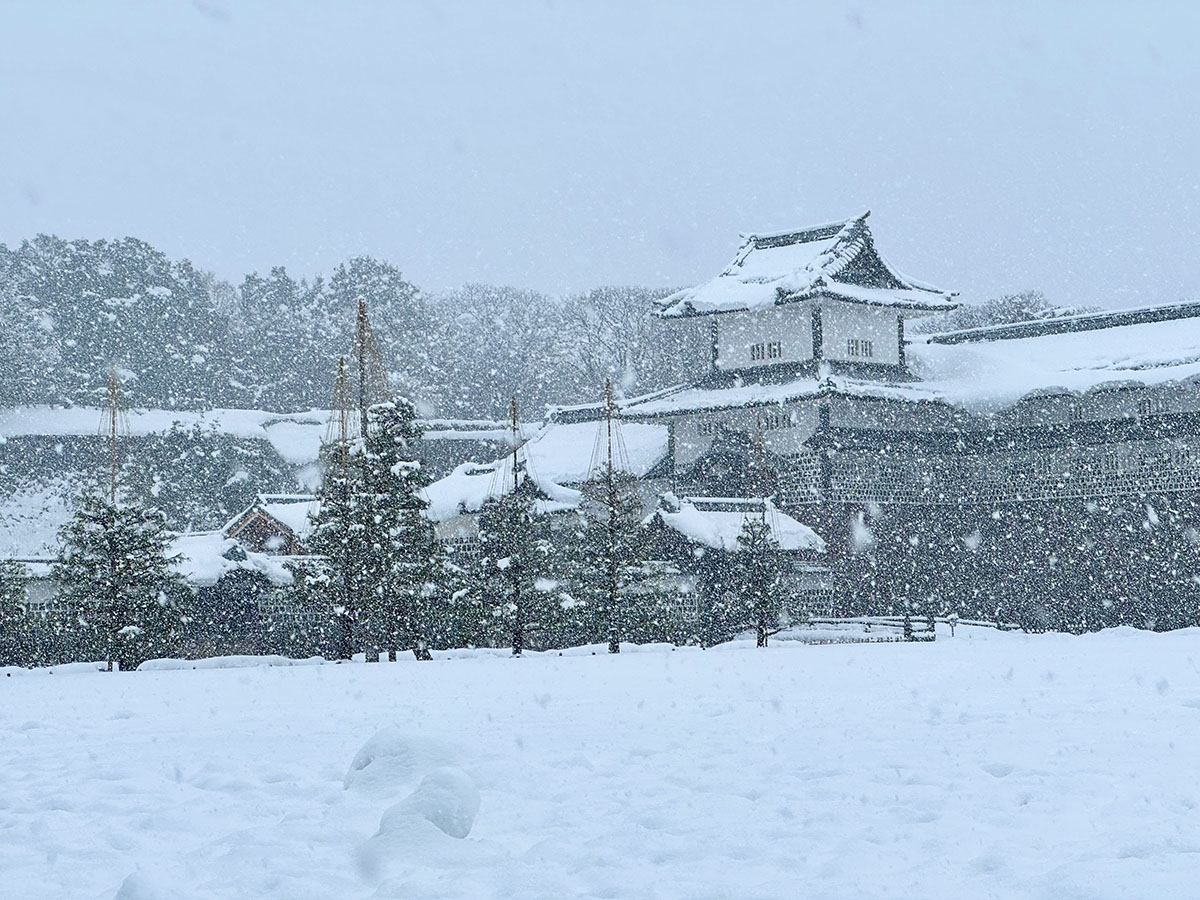
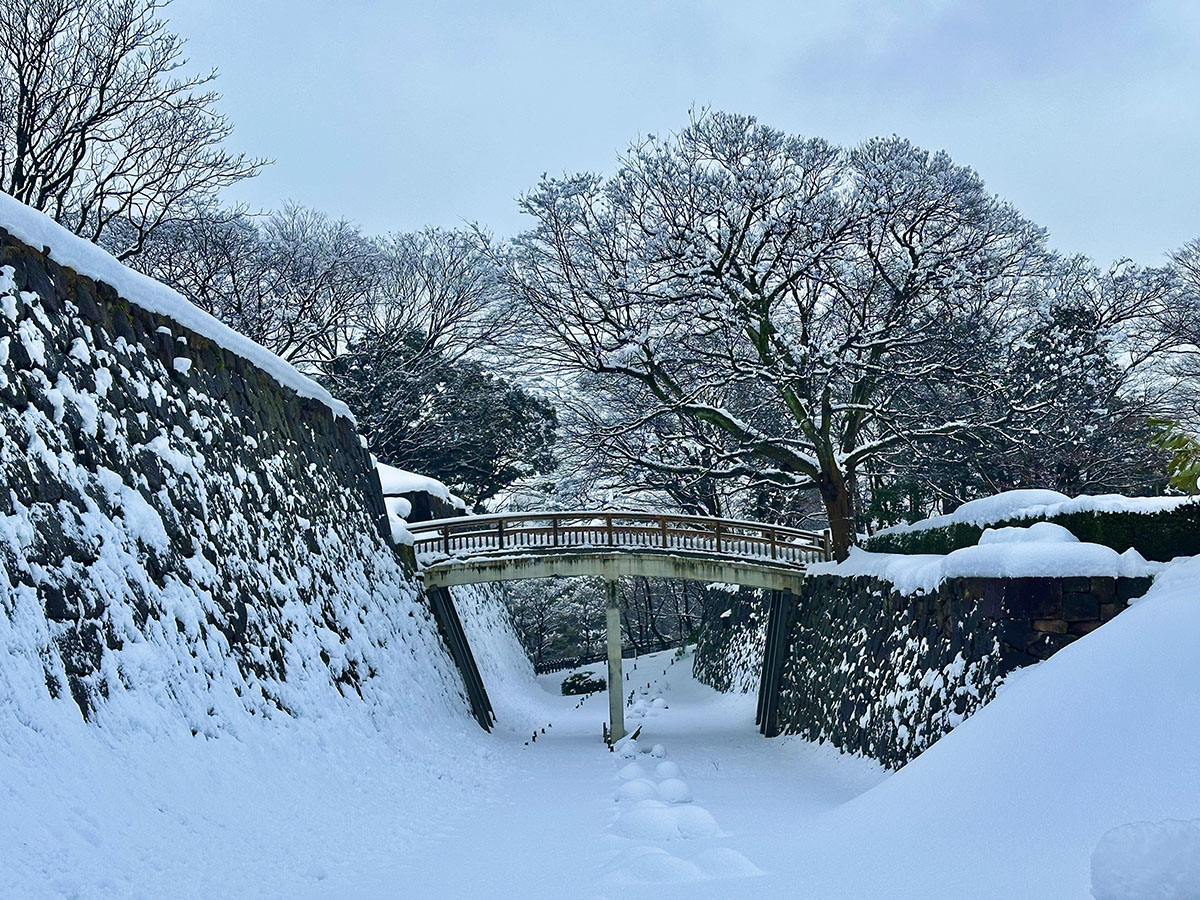
It features many arched bridges spanning the moat, which look even lovelier when outlined in white.
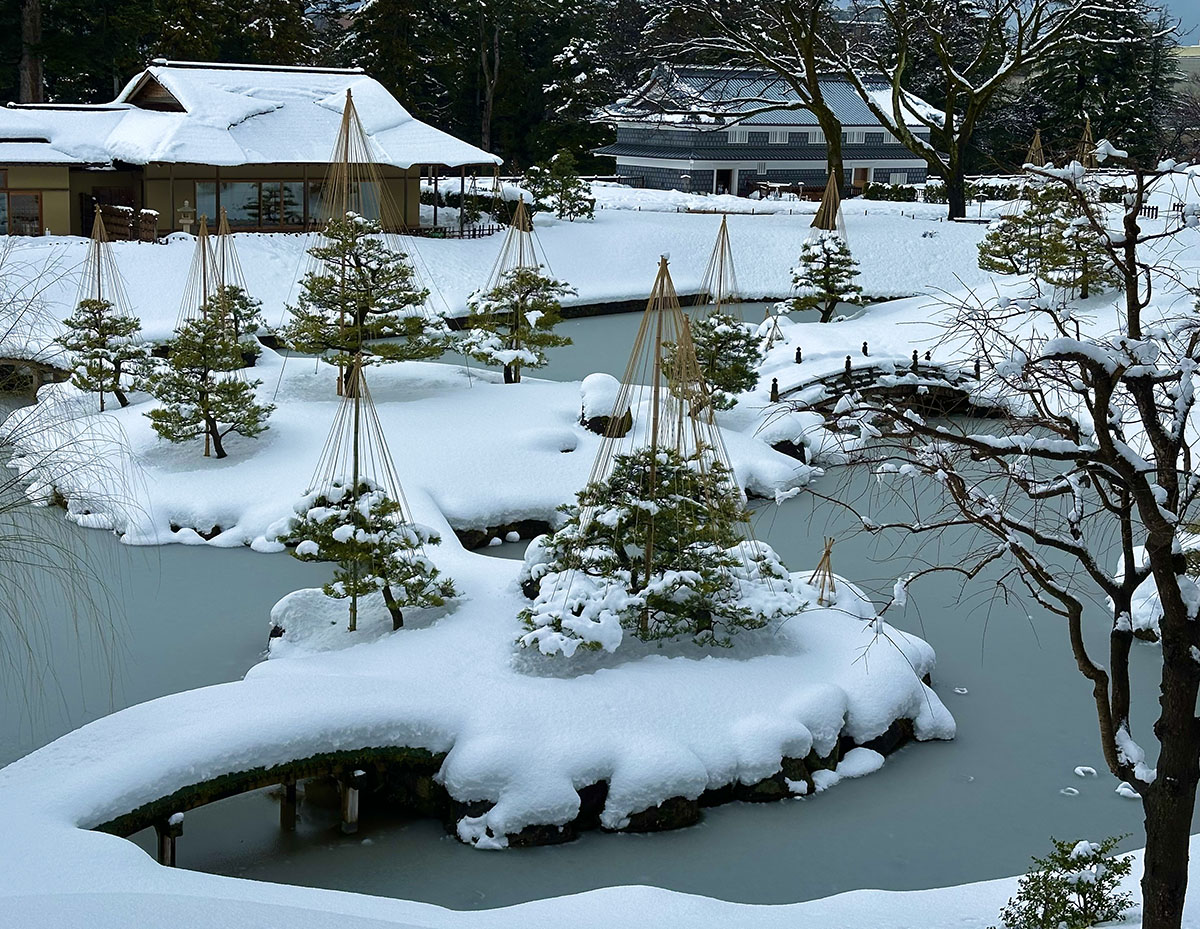
And the daimȳo’s garden, with its traditional bridges, lanterns and meticulously pruned evergreens, turns into a fluffy wonderland after a big storm.
Which brings me to another category of incredibly see-worthy Japanese winter sights:
Japanese gardens in the snow
You know an amazing thing about Japanese gardens that few people realize? They’re designed to be gorgeous and look completely different in every season.
Designing one of these gardens is a bit like playing 3-D chess. The fluffy pink trees that steal the show in spring…
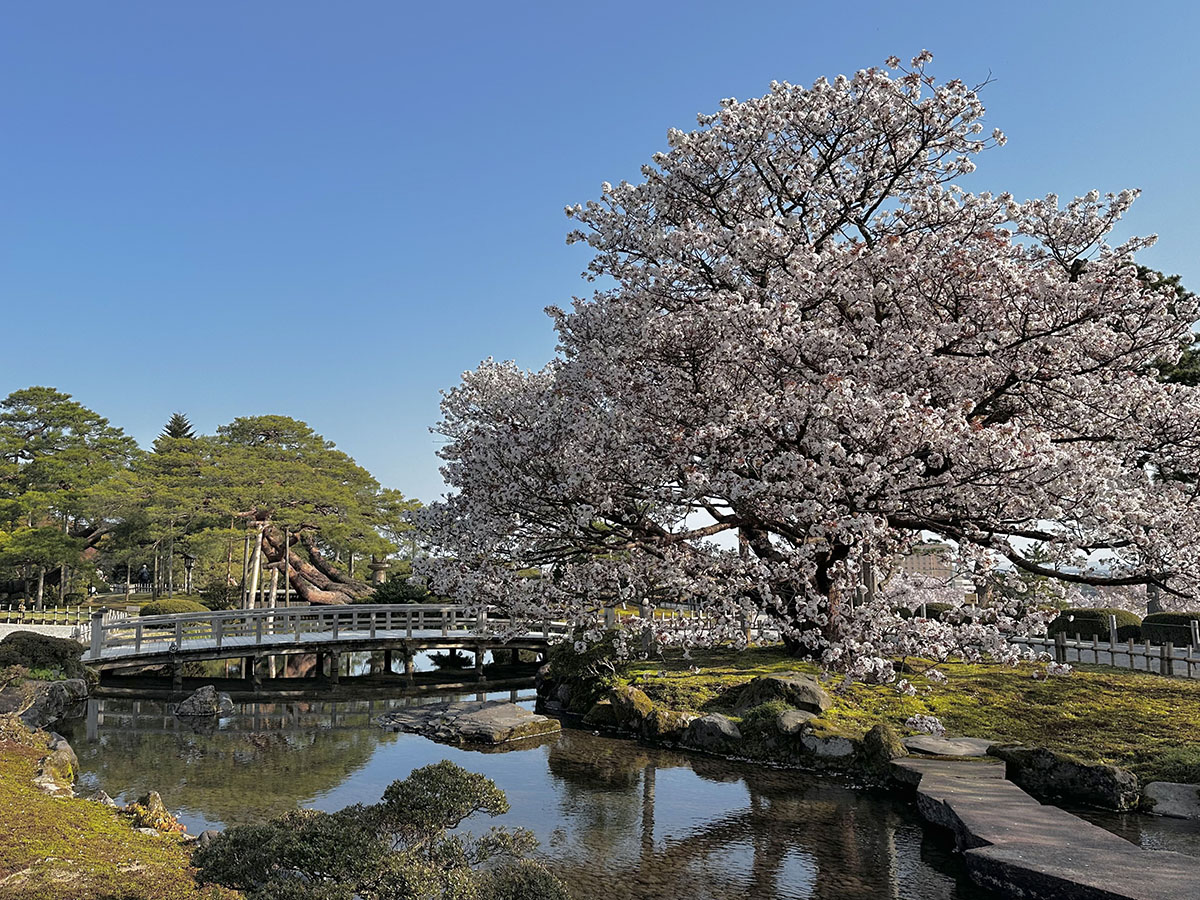
step aside to draw attention to the stunning bridge and the ancient evergreens in winter.

This is a view of my favorite bridge at Tokyo’s Rikugien garden, but see how you notice completely different parts of the landscape in each season?

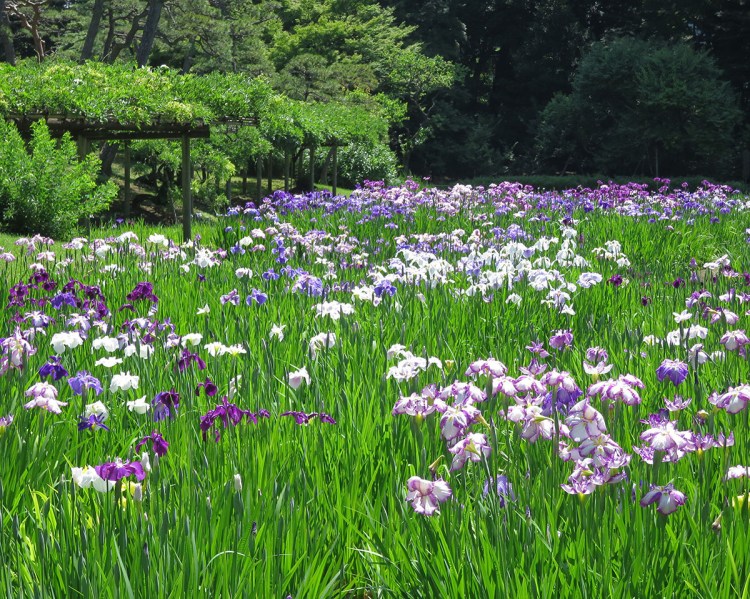
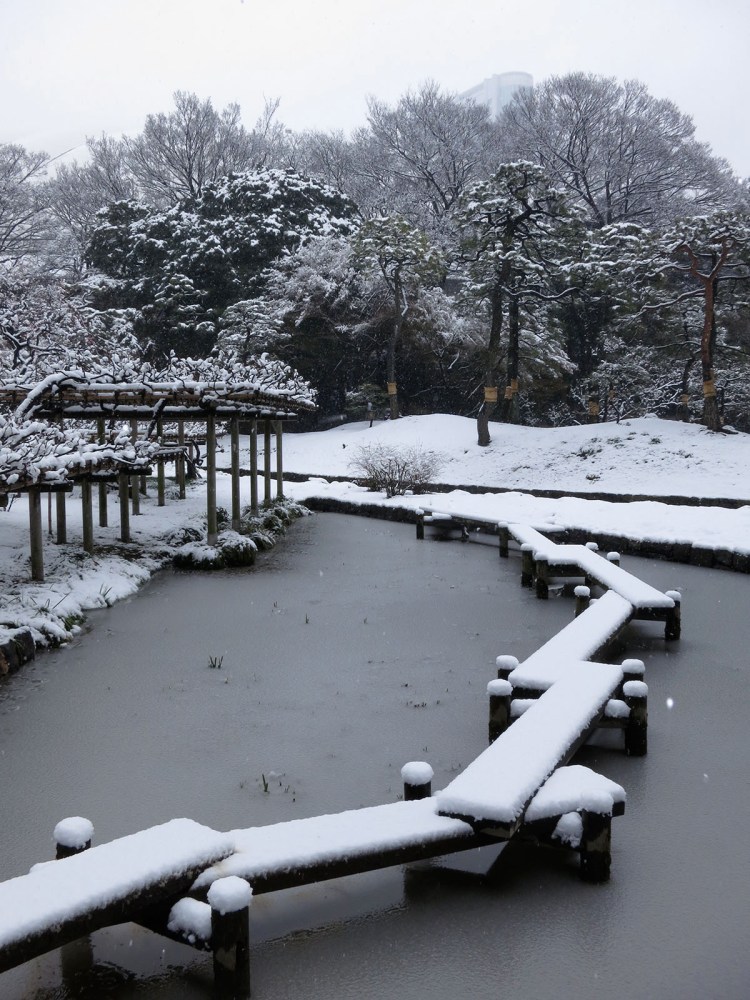
And see how Koshikawa Korakuen’s zig-zag bridge gets lost among the iris in early summer…
but gets its turn in the spotlight once snow begins to fall?
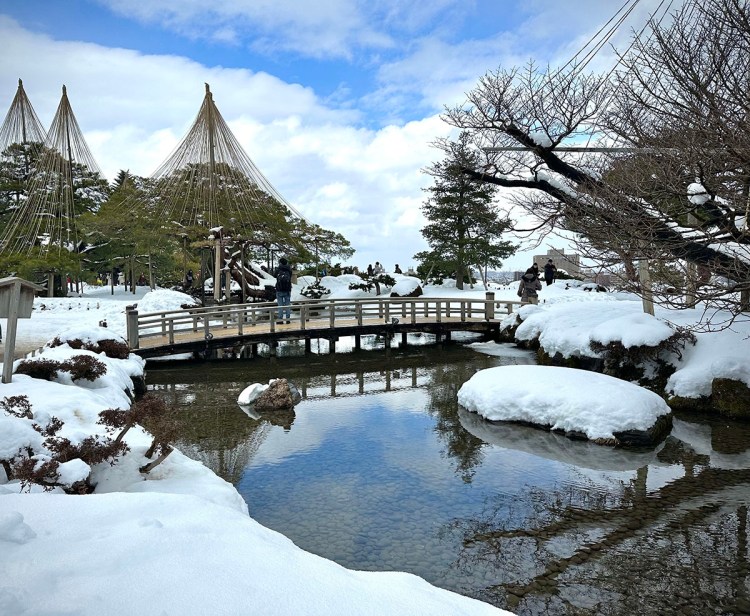
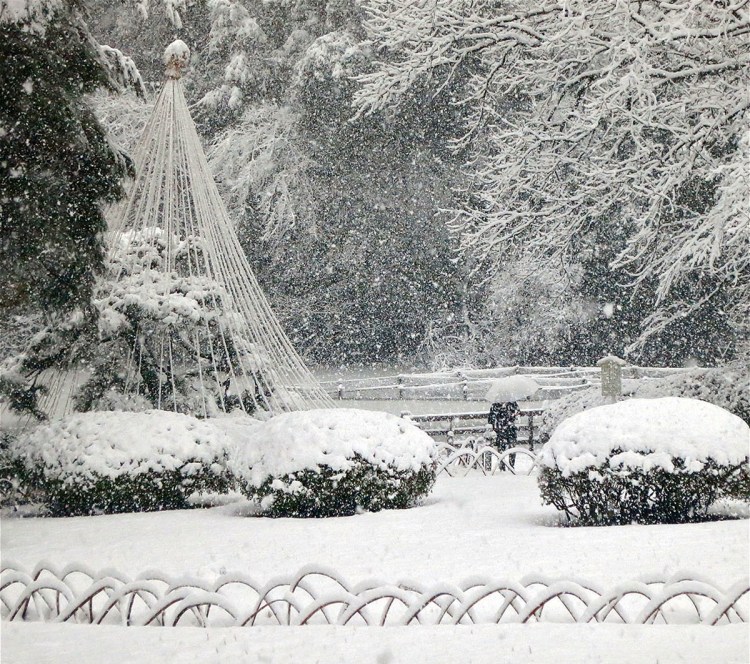
And not only are the unique design elements of Japanese gardens enhanced by snow (check out the bent bamboo border along this path), winter is the only time of year you can see the iconic rope tenting designed to protect artfully pruned evergreen branches from breaking under heavy loads of snow.
Bridges of all shapes…
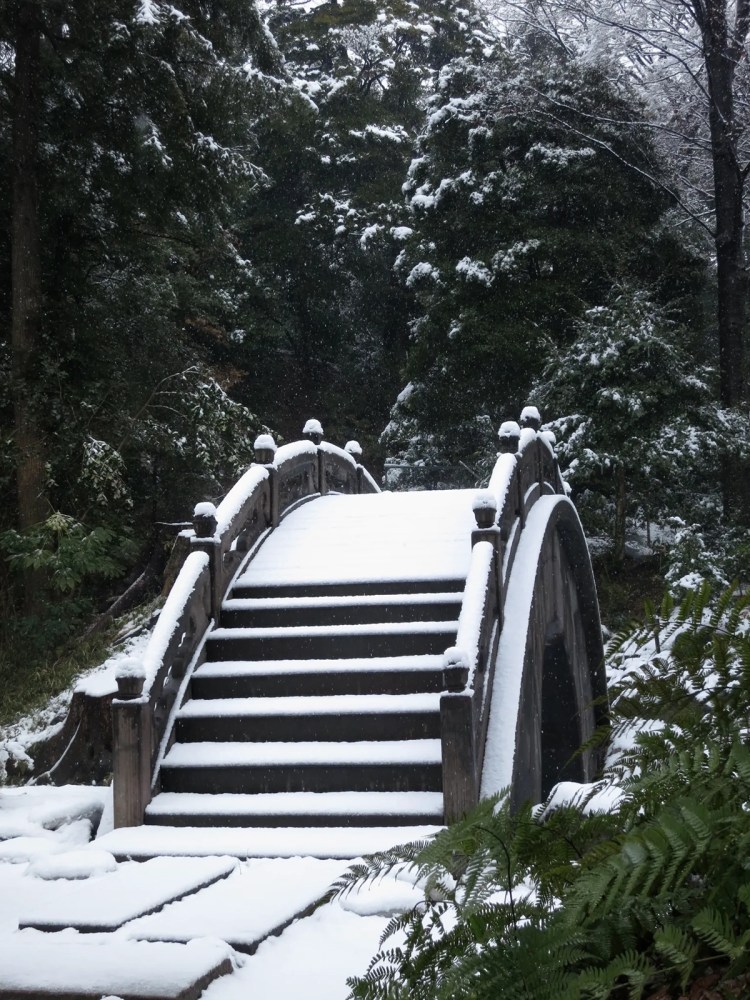
and colors look more spectacular in a world reduced to black and white…
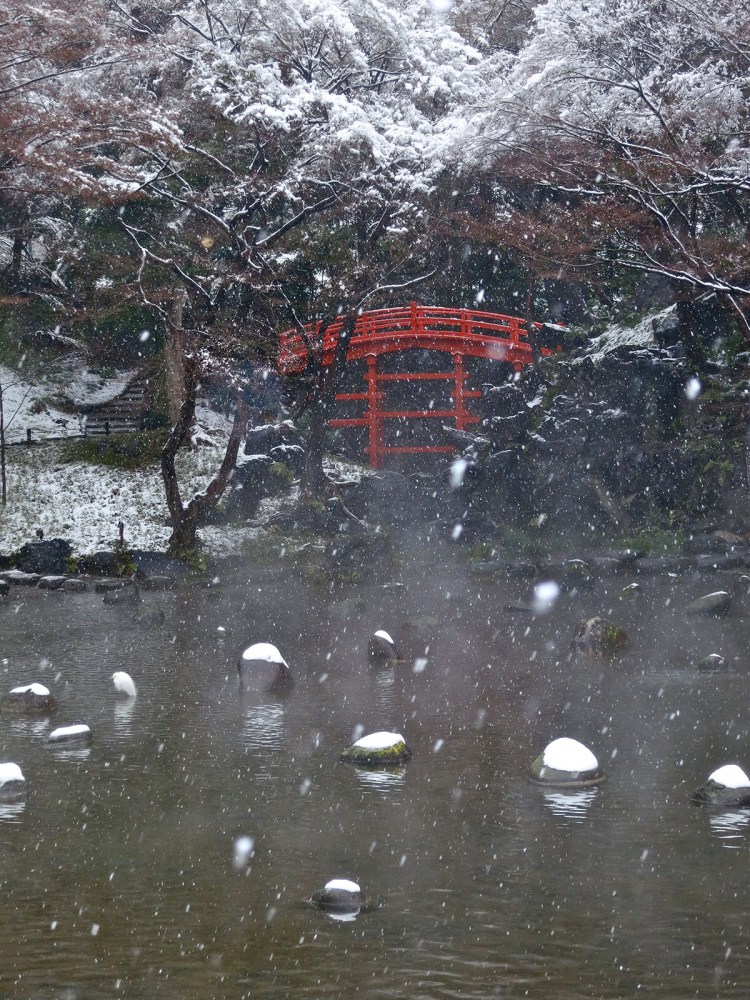
and I think Japanese shrines are at their atmospheric best when snow is drifting down…
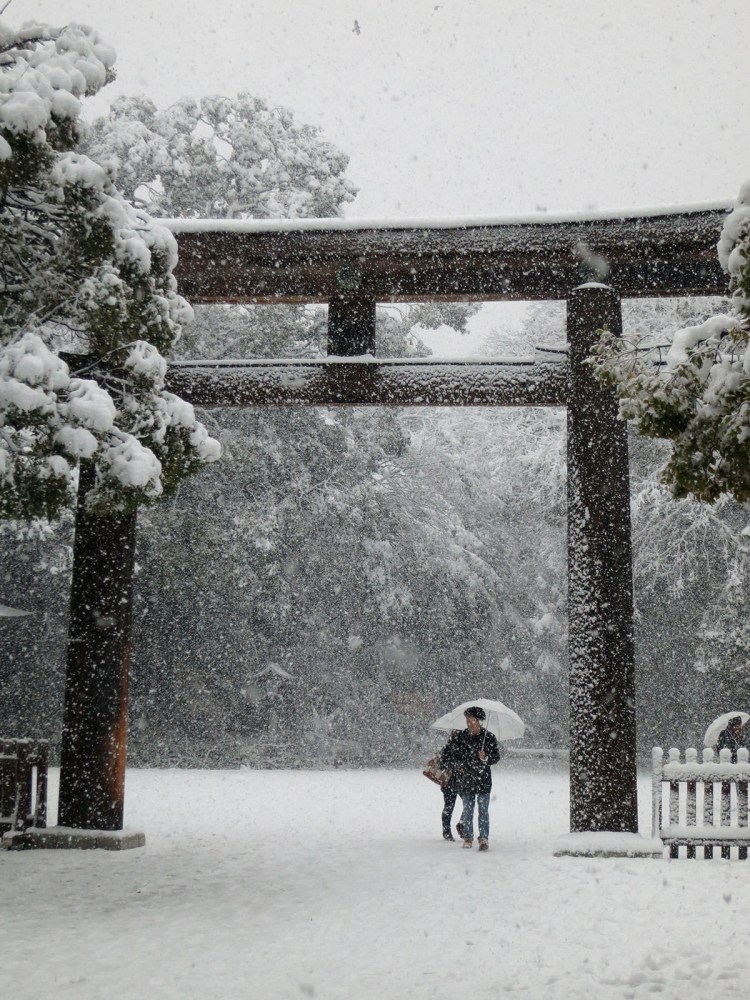
lanterns are glowing…
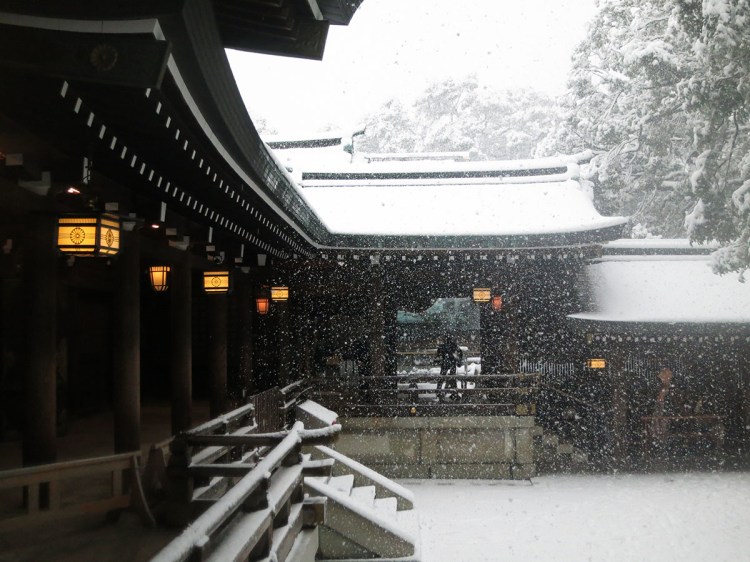
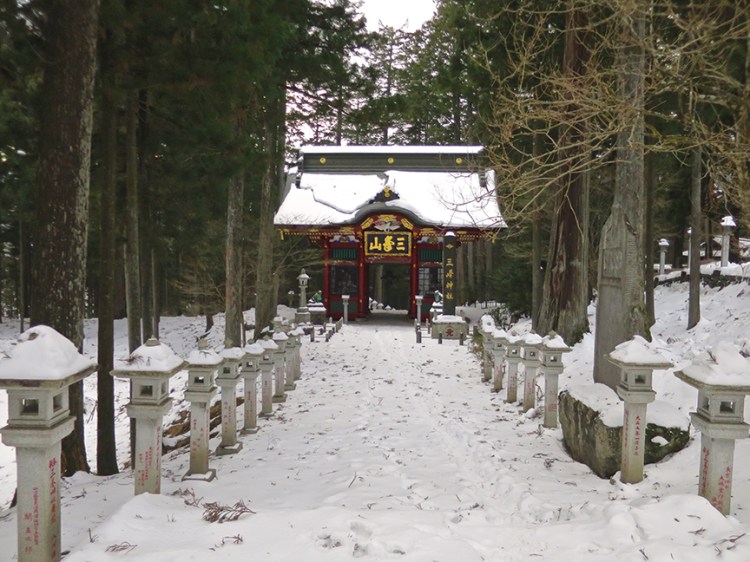
and the shrine’s bright lacquer with golden highlights is the only color in sight.
When is the best time to go see these snowy wonders?
Sapporo Snow Festival: Feb 4 – Feb 11, 2026 (but there are other snow festivals in other parts of Japan, so search “Japan snow festival” to check those out too)
Yokote Kamakura Matsuri: The second Fri/Sat in February
Zao Onsen Snow Monsters: Dec-Feb, but they’re at their biggest mid-Feb through mid-Mar
Tateyama Kurobe Snow Wall: April – June (no, really, it’s that late!)
Misotsuchi Icicles: Depends on weather conditions, but best chance of seeing them is mid-January through mid-February (more info here, and here is info about other lit-up icicles in Saitama Prefecture)
Tsuru-no-yu Onsen and Fox Village: Expect snow Nov – Mar, but snowfall timing depends on the year; check before going, because roads will close if the snow is too heavy
Tokyo and Kanazawa destinations are impossible to plan for (although the greatest chance of snow is mid-Jan through Feb) but traditional Japanese gardens in more reliably snowy parts of Japan (farther north and inland) will be just as beautiful!
•
Here’s where to find all the snowy attractions:
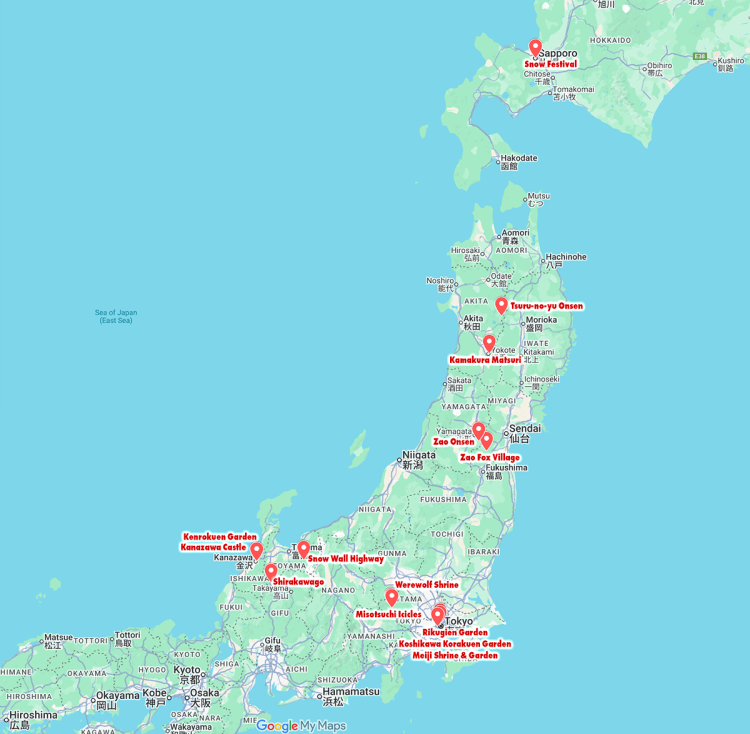
To figure out how to get to any destination from where you are, use the Japan Navigation phone app, plugging in your location, travel date and preferred arrival/departure time. Here’s where to get the app and how to use it.
•
Click here for more Beyond Tokyo posts

•
Or get more must-see destinations sent to your email every month when you subscribe!

•

•
•

Jonelle Patrick writes novels set in Japan, produces the monthly Japanagram newsletter, and blogs at Only In Japan and The Tokyo Guide I Wish I’d Had
 Japanagram