
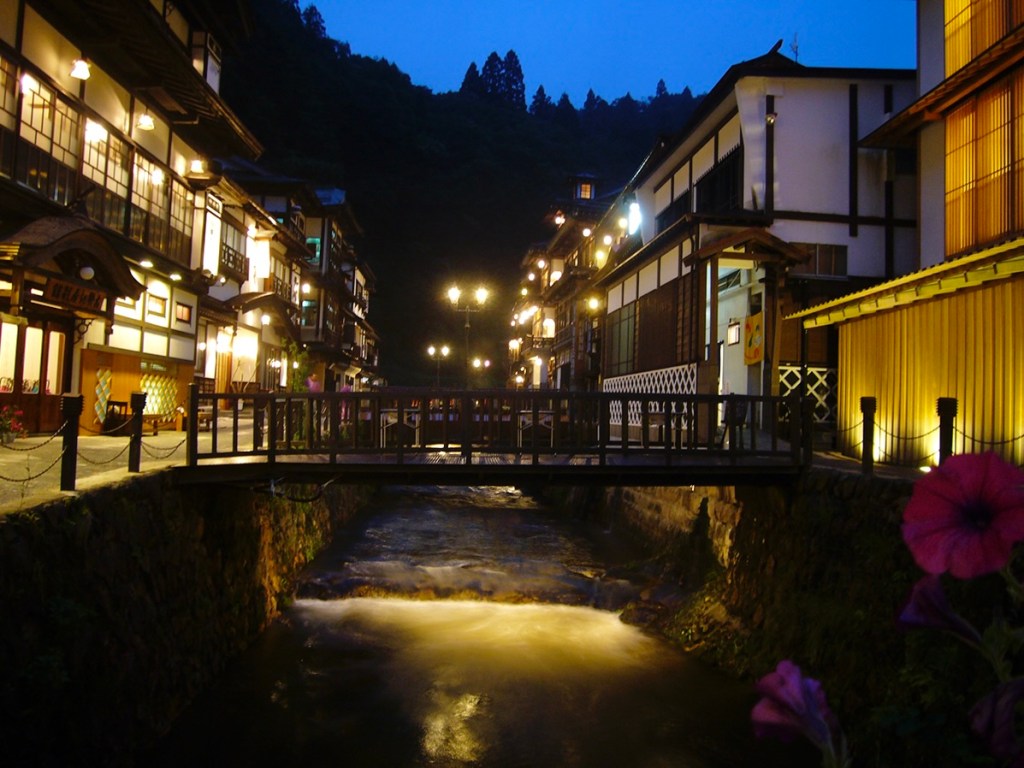
When you tell someone who’s been to Japan which hotels you’re planning to stay at, I guarantee the first thing they’ll do is shake their head in a sad, knowing way and say, “You can’t say you’ve really been to Japan until you’ve stayed in a traditional Japanese inn.” And then, of course, they’re more than happy to serve up details of their own stay at a ryōkan until your ears fall off.


The question is…what are they leaving out?
Because the truth is, traditional Japanese inns aren’t for everyone. And not because you’re an English-spouting, ketchup-slathering, nincompoop—even Japanese people don’t all love to stay at ryokans (or onsen, which are the same thing, except their baths are filled from a government-certified hot spring on site).
But why?
Here are five things that will help you decide whether staying at a traditional inn will be a once-in-a-lifetime experience you can’t afford to miss, or a relentlessly uncomfortable exercise in one-size-does-not-fit-all
1: Let’s jump right in: the notorious public bath
“Public” meaning the vast, room-size tubs—one for men and one for women—that are open to anyone who’s staying at the inn. The baths that invite one and all to get naked at any time. Together. Even though you never met before in your life.
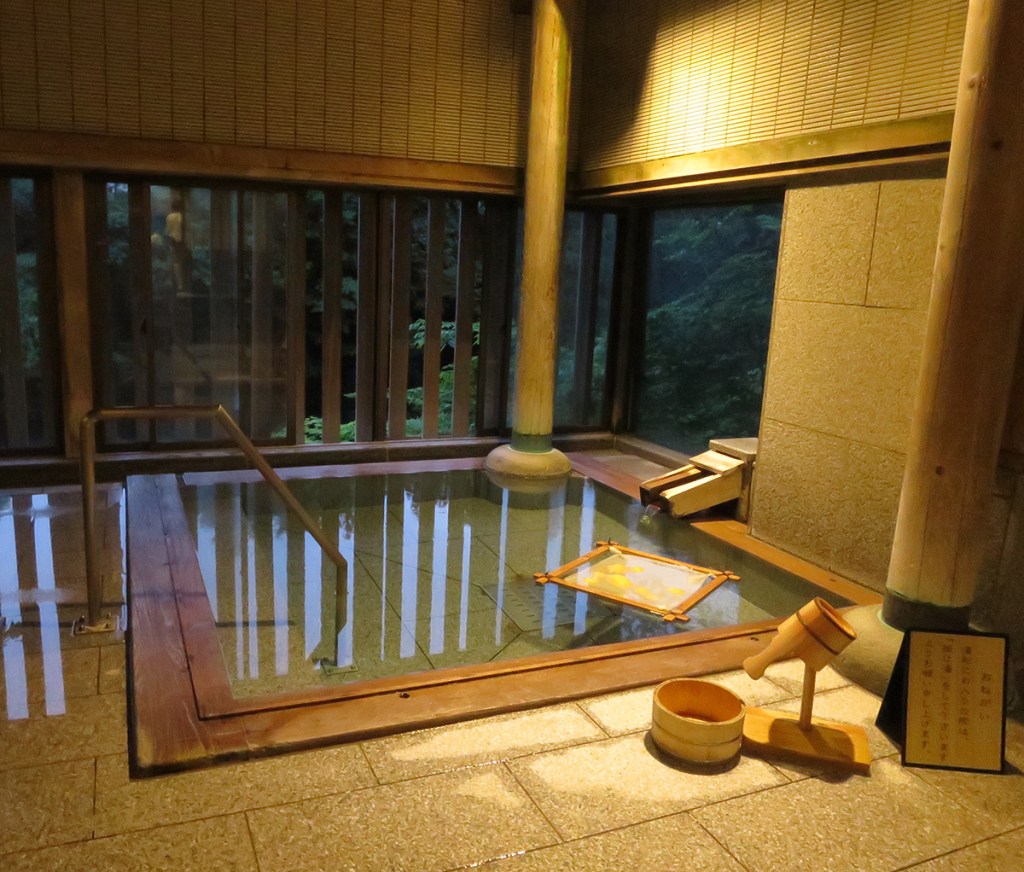

Here’s what makes this
Bath Heaven
• Not gonna lie: it feels pretty divine. When was the last time you got a chance to immerse yourself in hot water up to your neck and soak away your aches and pains?
• The view. The baths at these inns are usually surrounded by a lovely garden or have an amazing view of some iconic sight (like Mt. Fuji, for example).

• Nobody cares what you look like. True story. Mirrors are confined to the after-bath primping area, and all body image fears disappear at the first sight of grannies cheerfully hobbling to the bath, utterly unashamed of their wrinkly butts and saggy boobs.
• They’re super clean.
Here’s what makes this
Bath Hell
• No swimsuits allowed. Yes, suits really are prohibited and you have to get naked with strangers.
• The baths can be hella hot. Even if your sense of adventure is spurring you on, you might not be able to lobster it up if it’s too toasty for your sensitive skin. Even I stick my toe in first, as far away as possible from the deadly spout where the hot water trickles in.

• The mineral water can irritate sensitive skin if you stay in too long. Not that we know anyone who lounged around in the hot water for over two hours and was punished with prickly heat rash afterward…
• Tattoos can get you banned. Unless you’ve checked beforehand to make sure it’s an explicitly tattoo-friendly inn, assume they’ll kick you out if you get into the public bath with ink showing. Here’s why (no, it’s not because they think you’re a gangster) but being made to feel uncomfortably unwelcome while naked can really sour your stay when you’re paying so much for the ryōkan experience.
•
2: The Food

Why it’s
Food Heaven
• Traditional Japanese cuisine at its finest. An inn’s food is its second-biggest selling point, so both breakfast and dinner are a kaleidoscope of multi-course, traditional Japanese dishes using only the finest of local, seasonal ingredients. Each tidbit is cooked in a different way (raw, simmered, grilled, fried, vinegared, etc.) And the progression of flavors are as distinct—yet harmonious—as a symphony.
• Discover new only-in-Japan delicacies. After you’ve sampled them at a ryōkan, you’ll recognize your favorites (and know to order them) when you see them again on a restaurant menu.
Why it can be
Food Hell
• It’s only a matter of time before you’re served something with eyes. Yes, you’re supposed to eat it all. Including the head. And the fins. Try not to think of the sizzling fish brain.
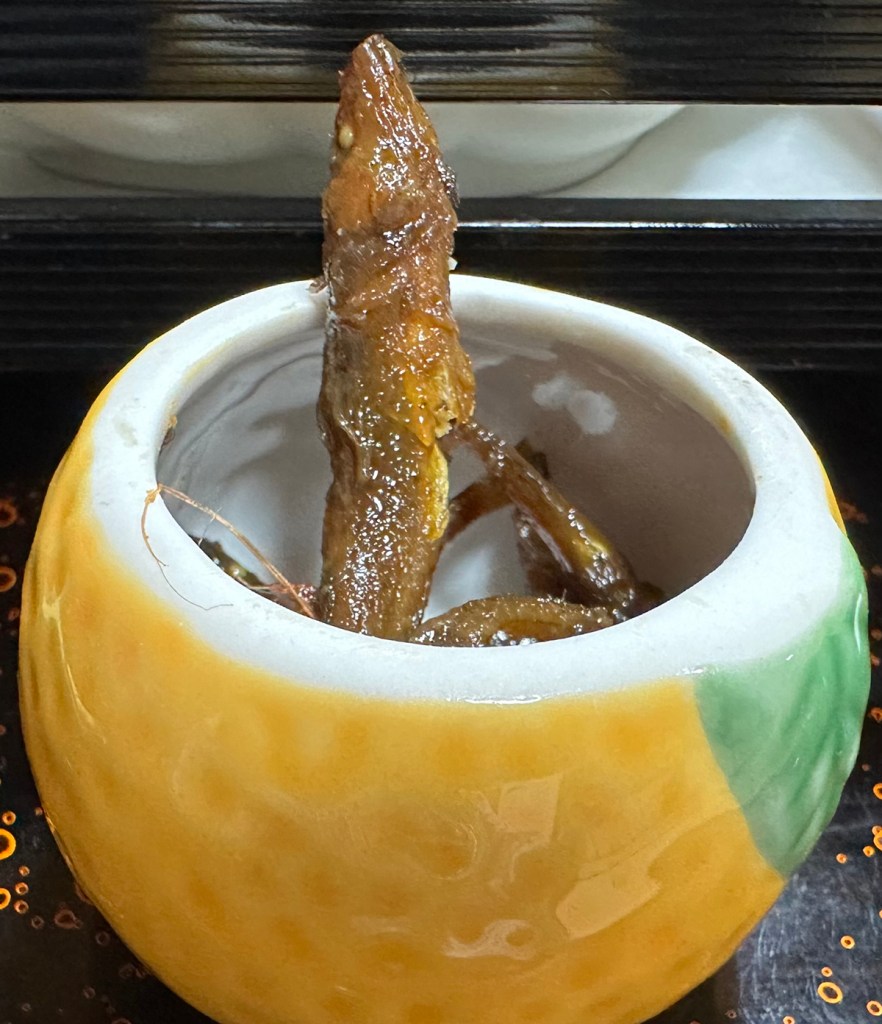
• No menu. No substitutions. No special orders. You eat what they serve you. The kitchen can only handle producing such an astounding variety of dishes because everyone staying there gets the same meal, and the kitchen is not staffed for made-to-order.
• If you have allergies, beware. They may try to accommodate your allergies if you tell them what you’re allergic to well in advance (like, at the time you make the reservation, not one hour before), or they may tell you sorry, no can do, stay elsewhere. And even if they try not to serve you shellfish (for example), you can’t be sure they didn’t use the same knife they used on the shrimp, so if you’re epipen-level allergic, you might be in trouble. (By the way, if you do have food allergies, here’s how to cope while traveling in Japan.)
•
3: Sleeping on the floor

What makes it
Sleep Heaven
• So awesome for your back. Weirdly enough, the combination of tatami floors (which are springy) and thick futon pads are the ultimate sleep combo for waking up with a happy back.
• Futon comforters are always the perfect weight for the season. Light and puffy, they’re neither too hot nor too cold.
• You get one all to yourself. Couples get side-by-side single futons, so you don’t have to wrestle over who gets the covers designed for a Japanese-sized demographic.
Which makes traditional inns automatically more comfortable for foreigners of less-than-average height, but taller guests might find themselves sympathizing with the haiku master…
Cover my head?
or my feet?
The winter quilt.
—Buson
And now for the things that I can’t deny might make it
Sleep Hell
• The floor. If getting up from the floor is tough on your knees or hips, you’re in for a a rough night.
• The pillows. Ryōkan pillows are…an acquired taste. Maybe it’s just me, but don’t you think they should make those soba seeds into noodles instead of glorified beanbags that prop your head up all night in the crunchiest way possible?
• No sleeping in. I hope you’re planning to hit the sights before the crowds in the morning, because the latest time you can choose for the maid to come and tidy away your futons for the day does not qualify as a luxurious lie-in by any stretch of the imagination.
4: The price tag
Most ryōkans charge by the person, not by the room. The reason for this is that both breakfast and dinner are included in the price, as well as laying out your futons/putting them away, and giving you unlimited access to the bath area with all its amenities. And this can get expensive fast, especially if you’re traveling with kids. At many inns, you pay the same for children as for adults, and no special menus or accommodations are offered for pint-sized people. Be sure to doublecheck the pricing before you make your reservation!

What makes traditional inns
Budget Heaven
• No surprises at the end of your stay. The price is the price, and you know it up front. The all-inclusiveness and being served two incredible gourmet meals without making decisions or counting the cost is part of what makes a ryōkan stay so relaxing. (Beer and sake are usually the only things that cost extra).
What makes them
Budget Hell
• You can’t save money by economizing on meals. If you don’t fancy a ten-course Japanese meal for dinner—then again for breakfast—there’s no way to opt out. The price is the price, whether you eat the food or not.
•
5: The culture barrier
How to find an inn that will be
Culture Heaven
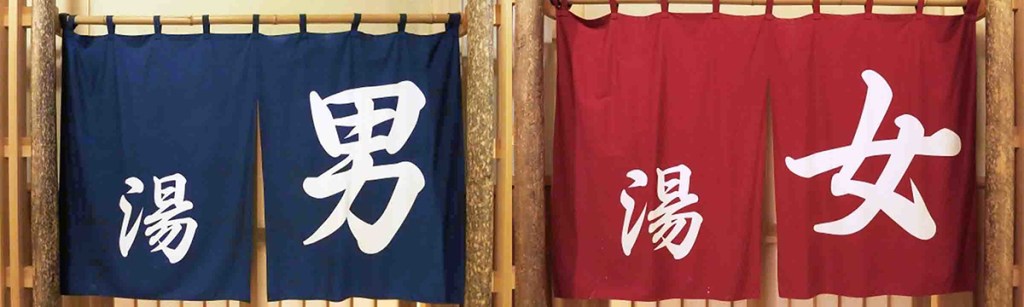
• Book in English. If the inn has a reservations page that’s in English, it signals that they’re prepared to serve guests who don’t speak Japanese. Important signage (such as which bath is for women and which is for men) is more likely to be accompanied by an English translation, they’ll have a staff member who can answer questions about the food and explain all the things that will make sure your stay becomes a memory of heaven, not The Other Place!
And if I’ve persuaded you that staying at a ryōkan would be heaven, here’s how to find and book a traditional Japanese inn online (in English!)
For more practical Japan travel advice—using the trains, how to travel in Japan with food allergies, where to get cash, and stuff like that—it’s at Travel Tips and Tricks. And if you’d like to see the places I take my friends when they come to Tokyo, all my favorite destinations are on The Tokyo Guide I Wish I’d Had
•
Click here for more The Thing I Learned Today posts

•
Or get more amusing Japan stuff sent to your email every month when you subscribe!

•


Jonelle Patrick writes novels set in Japan, and blogs at Only In Japan and The Tokyo Guide I Wish I’d Had
 Japanagram