
Hokkaido beyond ski season
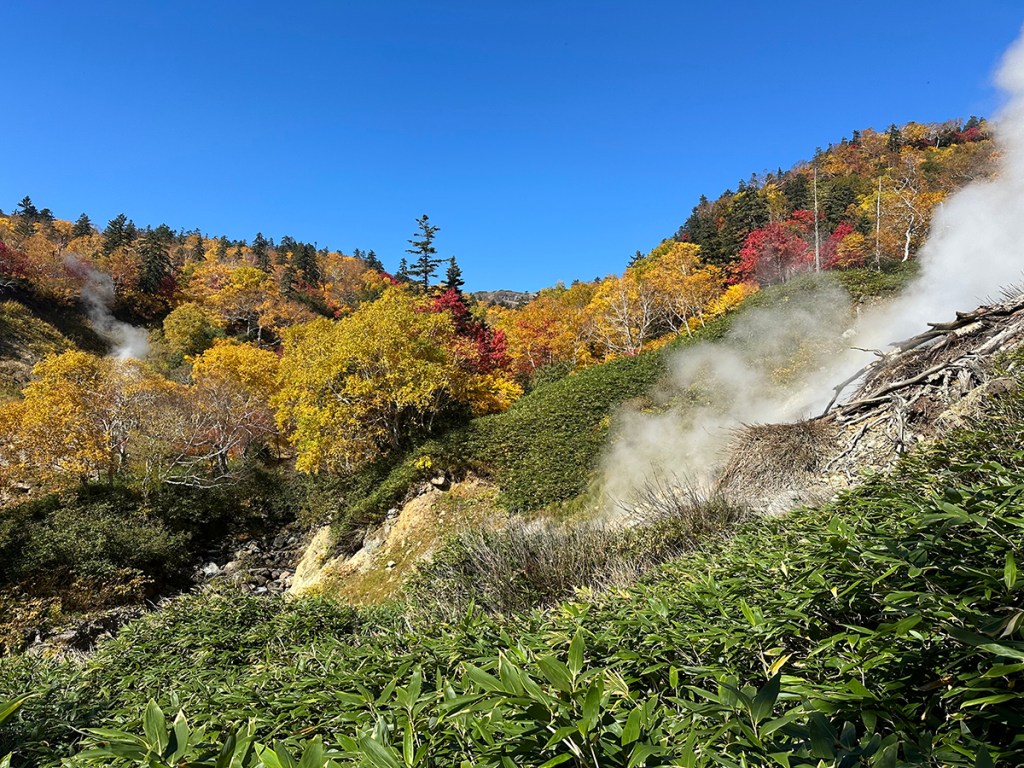
If spending time in glorious mountains where you might be surprised by steam spouting from the ground around every bend sounds like heaven to you, get thee to Hokkaido when it’s NOT snowing!
Everyone knows Japan’s northiest island is home to the best powder skiing on earth, but it’s well worth visiting the rest of the year too. Here’s a travel plan that takes you through a whirlwind of natural wonders in just six days!
There’s no better place to start than
Noboribetsu: Your basic hell on earth
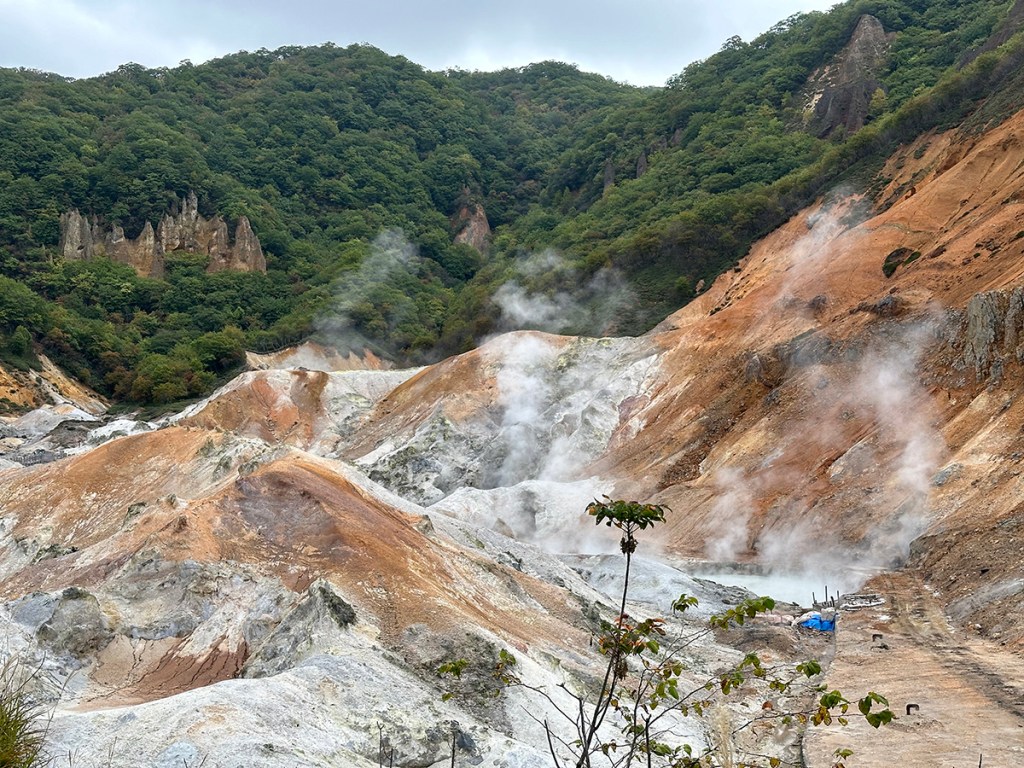
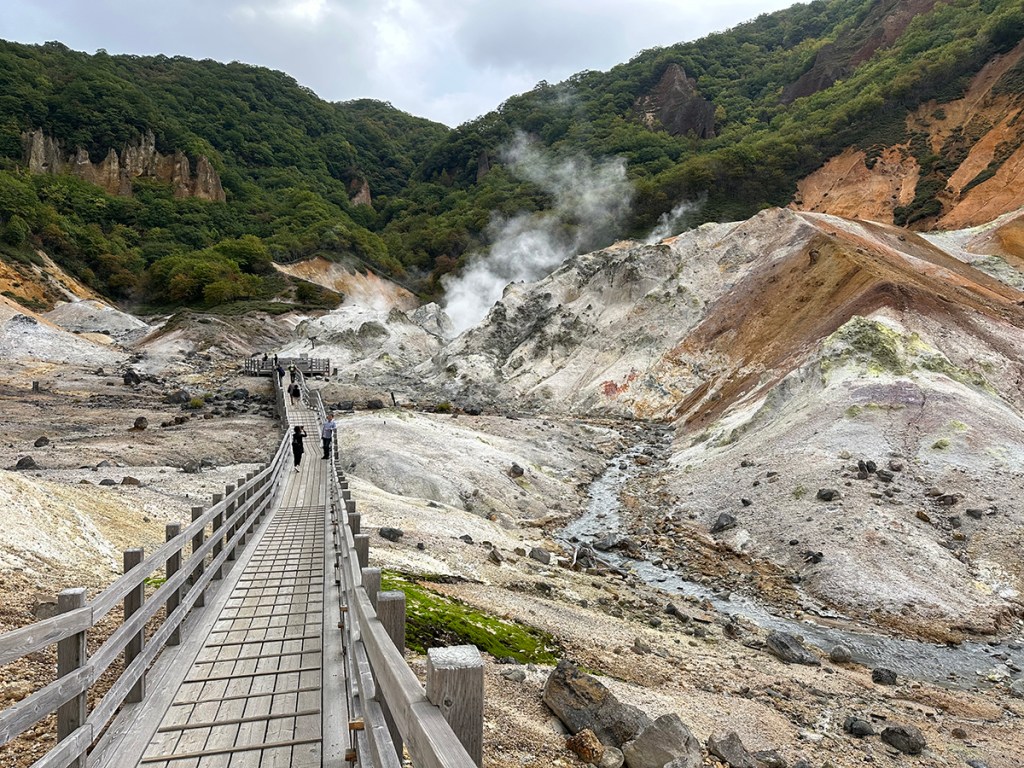
Noboribetsu is a town filled with traditional hot spring inns that’s smack in a hotbed of volcanic activity. Boardwalks give up close—but safe—access to all the steamy sights without burning the soles off your sneaks…
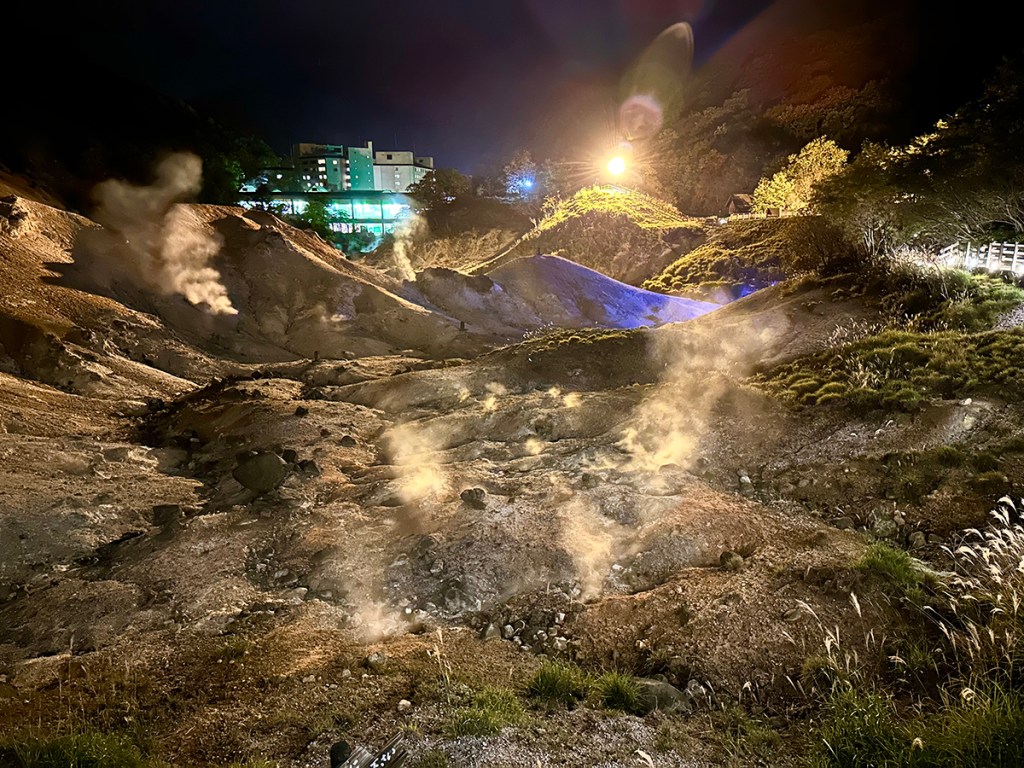
and the ever-active features of this “hell” are especially dramatic lit up at night.
Next up is
Daisetsuzan National Park: Bear country
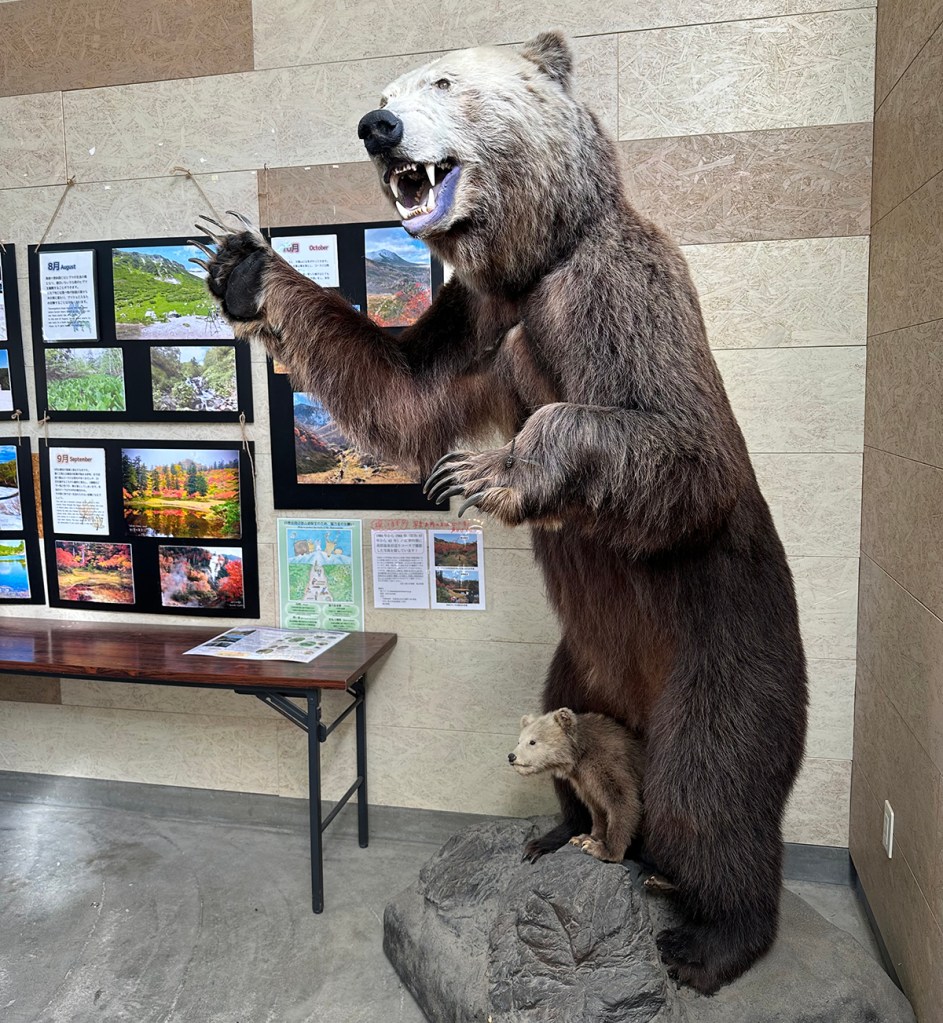
Many of the peaks in this national park are prize summits for serious climbers, but ordinary hikers often come here hoping to catch a glimpse of the famous Hokkaido brown bears. The bears are so common that hikers aren’t allowed out on the trails before listening to a ranger safety talk, but it’s well worth the cautionary lecture to get the opportunity to hike over the river and through the woods, feeling like you’re on location for a beer ad…
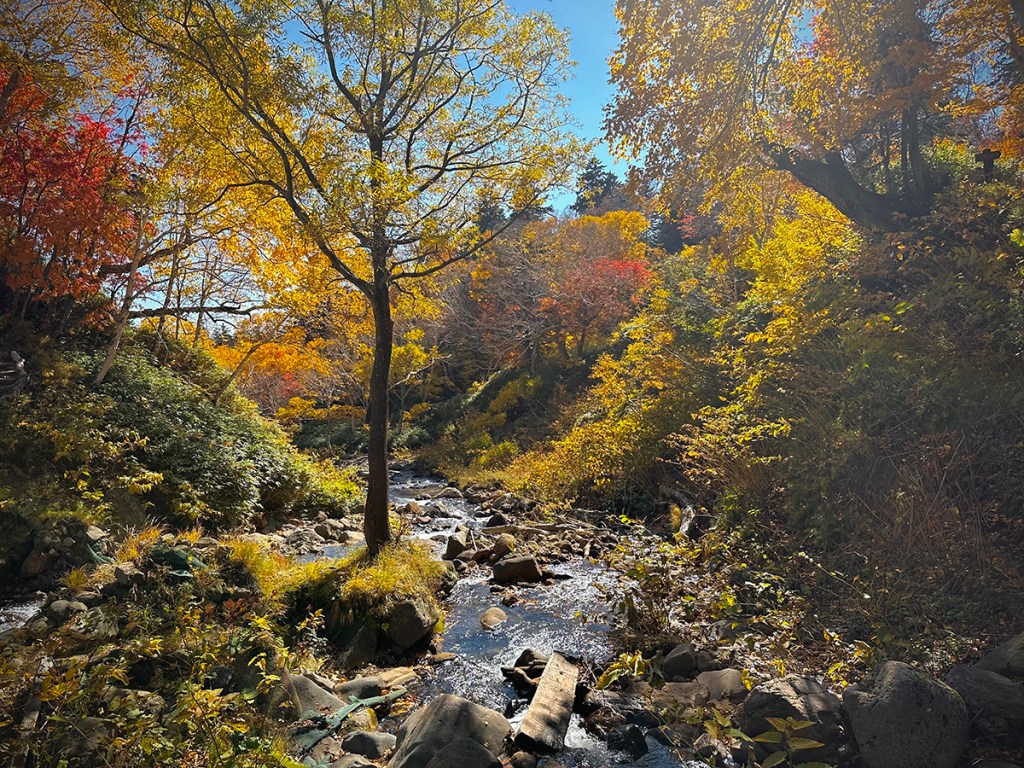
with occasional volcanos.
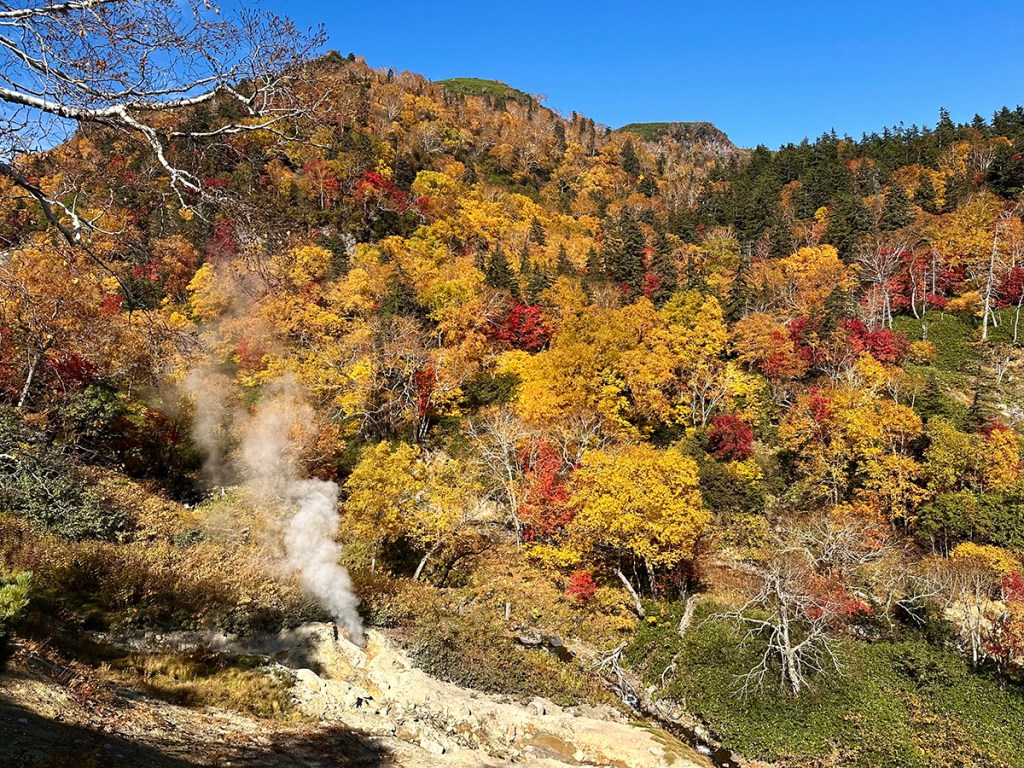
Now let’s head to one of the most challenging peaks in the range…
Asahidake: Ropeway of the gods
The highest peak in the Daisetsuzan range has a killer ropeway you can ride to the top, skimming the trees and offering expansive views of the mountains that surround Asahidake.
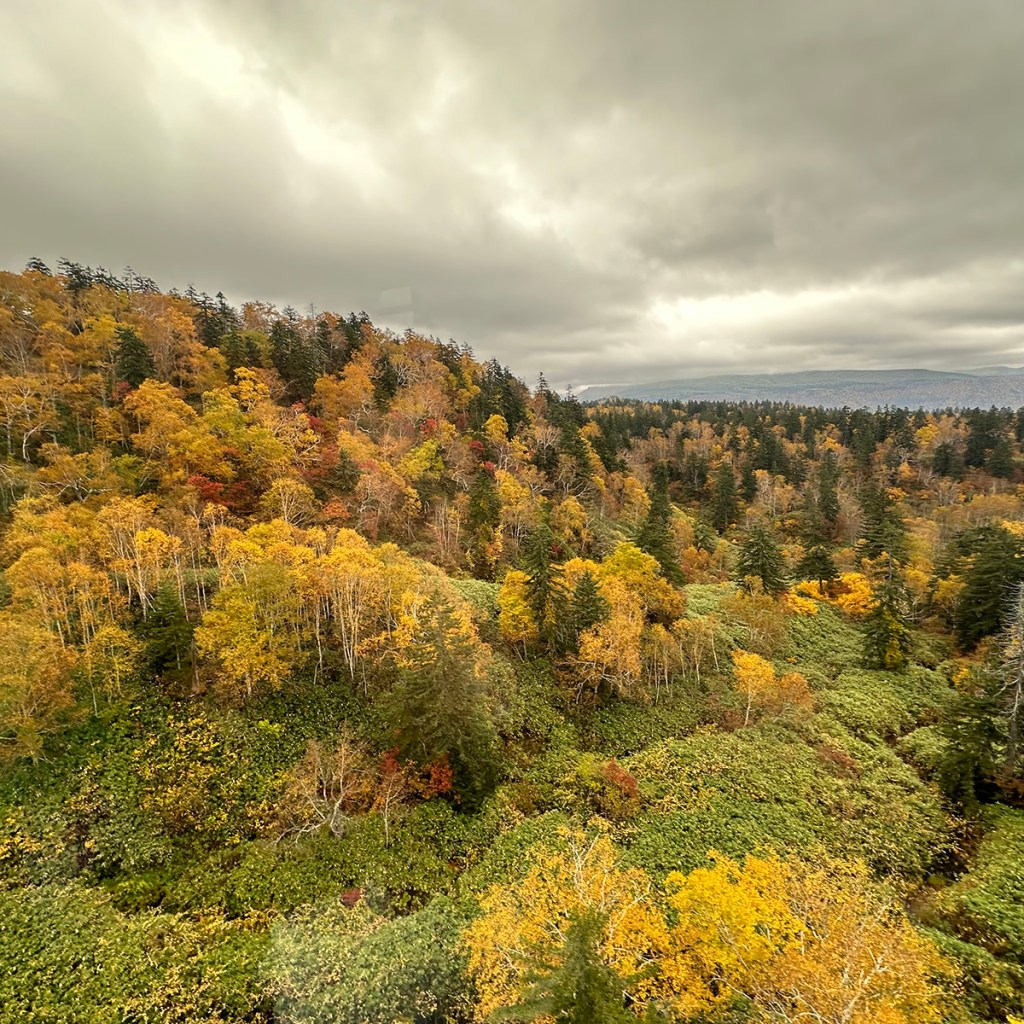
At the top is a loop trail that tours a series of volcanic pools with fumaroles. Even in the rain, they’re lovely, and it’s an easy (fairly flat) walk on a nicely-groomed path that doesn’t require hiking equipment.
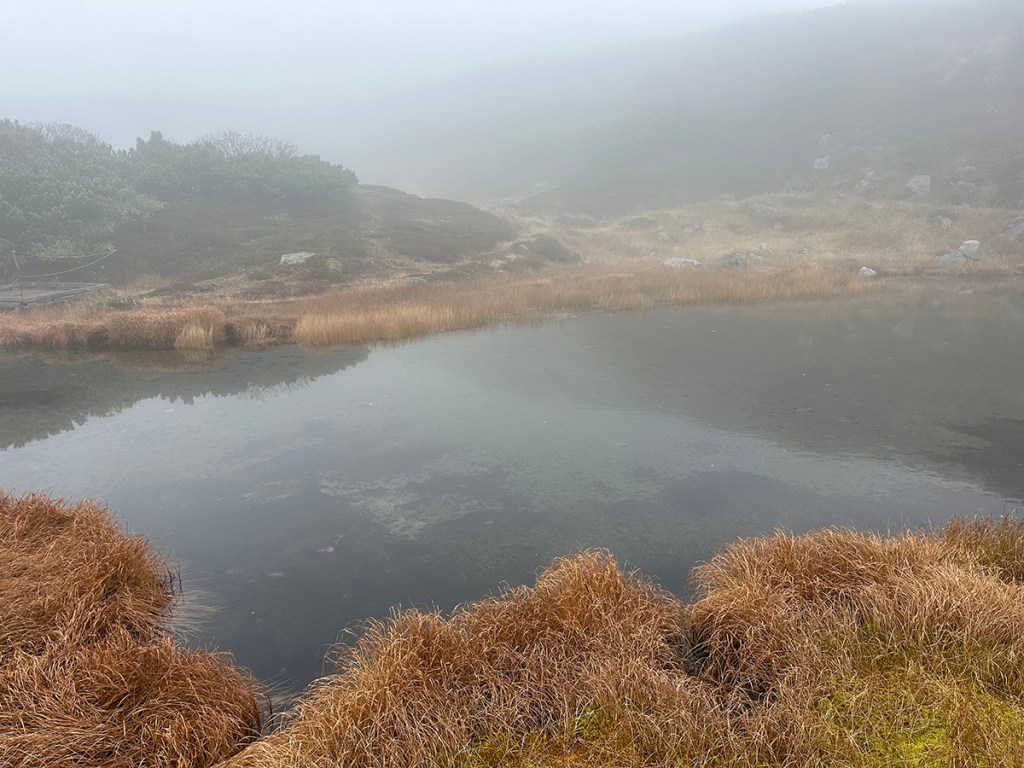
Especially intrepid hikers can ride the ropeway up and hike back down, but be forewarned: this trail not for the weak! The views from time to time are amazing, but what you can’t tell from the photo below is that this stretch is the only part of the trail that doesn’t point straight down the fall line. Most of this route is ultra-steep and alternates between head-sized boulders and super-slippery mud, so even if you don’t usually hike with poles, save yourself a trip to the emergency room and hike with poles.
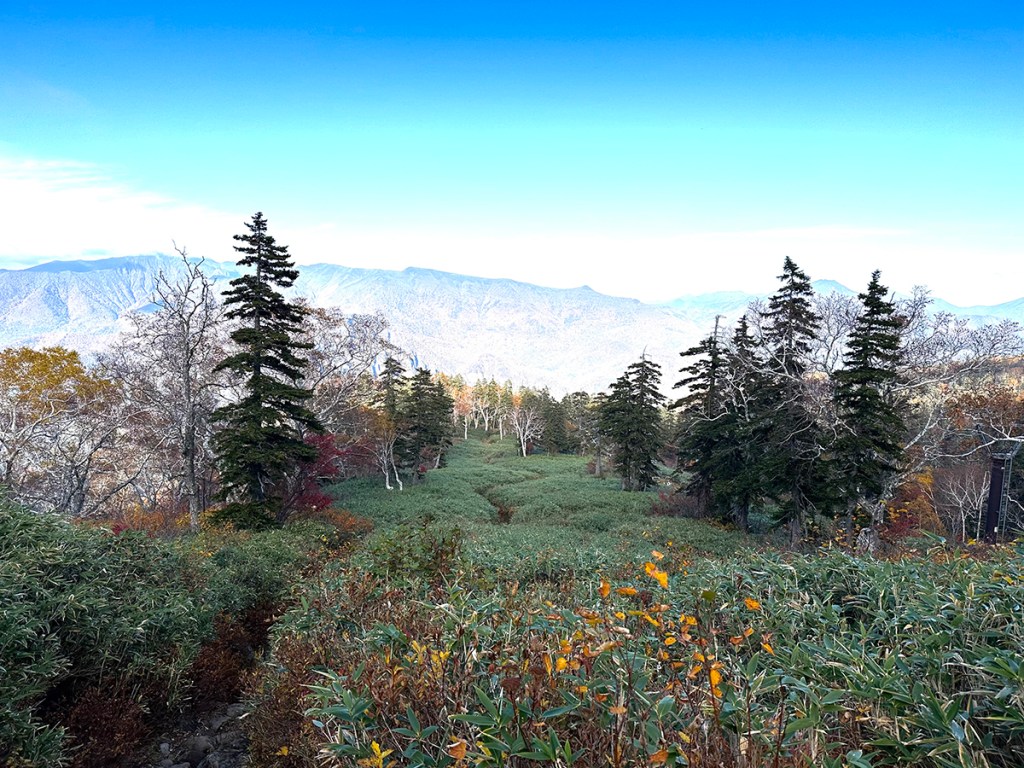
After tackling the big mountains, a day ogling the beauties of a river is in order, and there’s no better place to do it than
Tenninkyo Gorge: Rock columns to die for
Even in the rain, the crystal clear river that wends its way through steep canyon walls lined with spectacular six-sided rock columns delivers photos like nowhere else on earth.
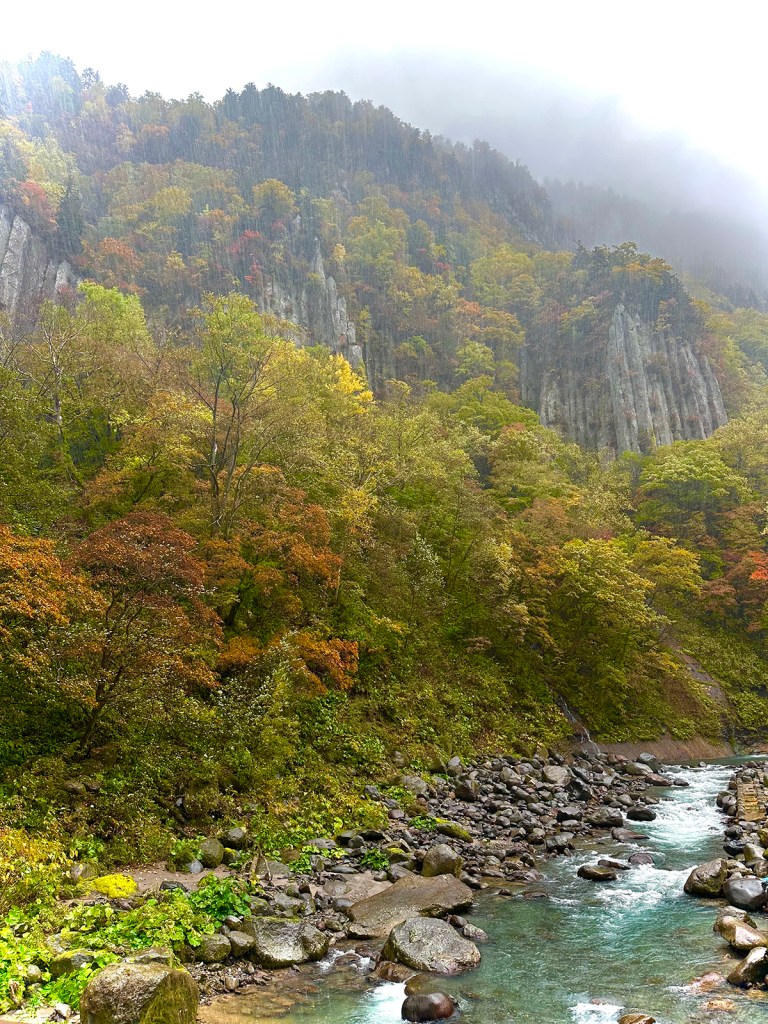
And as long as we’re ogling unique scenic beauty, there’s one photo spot that justifies an entire trek to Hokkaido all by itself.
The Biei Blue Pond: If you come to Hokkaido and miss this, you’ll have major regrets
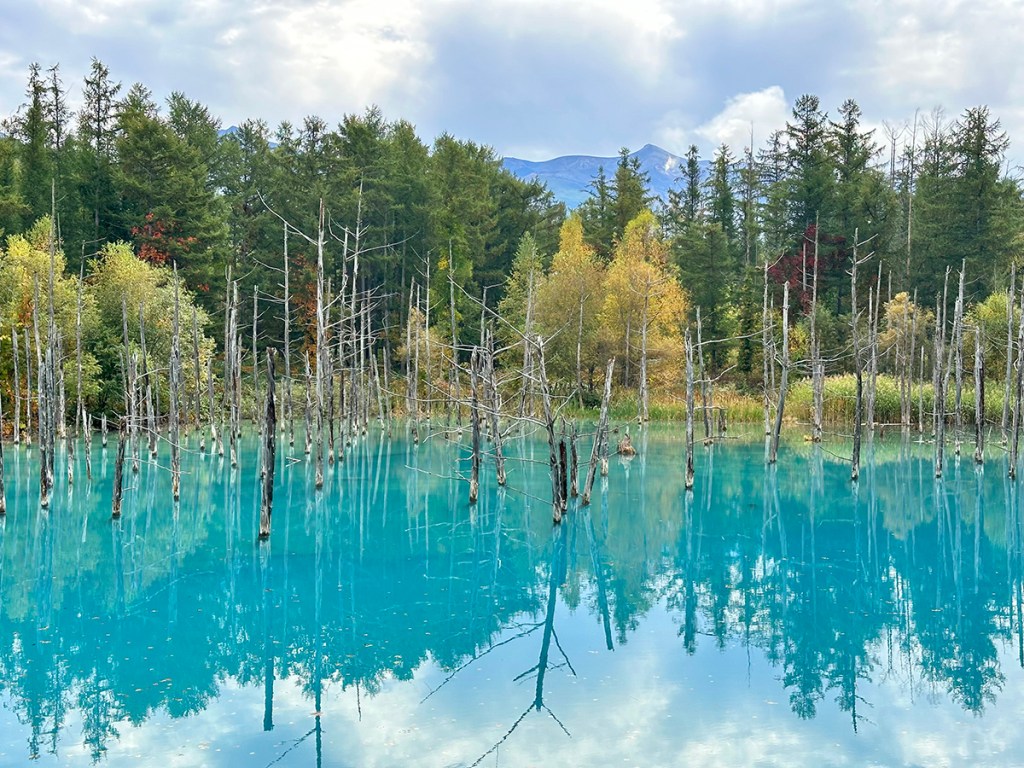
It really is this color, no filter.
And conveniently nearby is another sight that checks all the boxes:
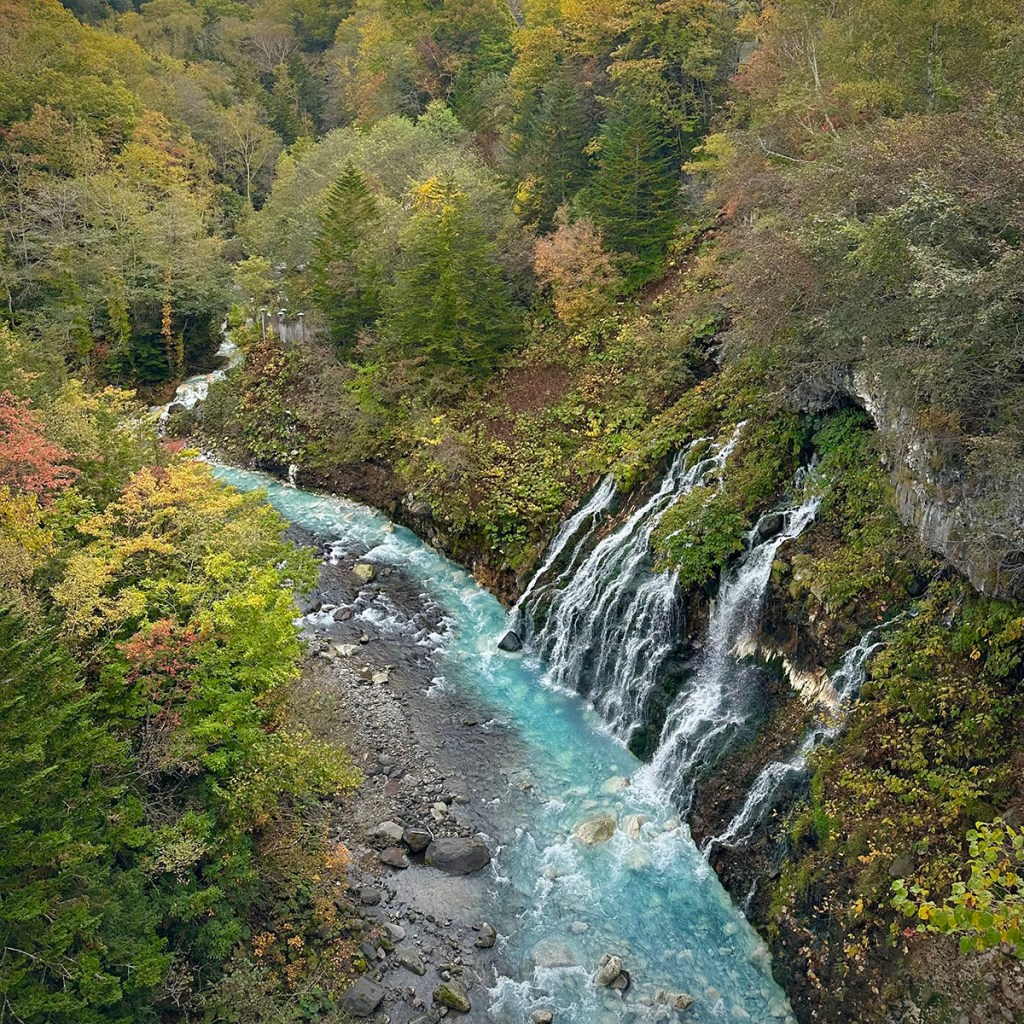
Shirohige Falls: Blue water plus multi-thread waterfall equals photo gold
The same mineral-tinted river that feeds the Biei Blue Pool delivers water to this stunning waterfall that can be viewed from the handy bridge that spans the gorge.
Tokachidake Crater: No railings, no warning signs, all volcano
One of the great delights of traveling in Japan is it’s a country where travelers are trusted to exercise their own good judgement instead of being fenced off from nature. This hike into the Tokachidake crater is not for idiots who lack basic instincts for self-preservation…
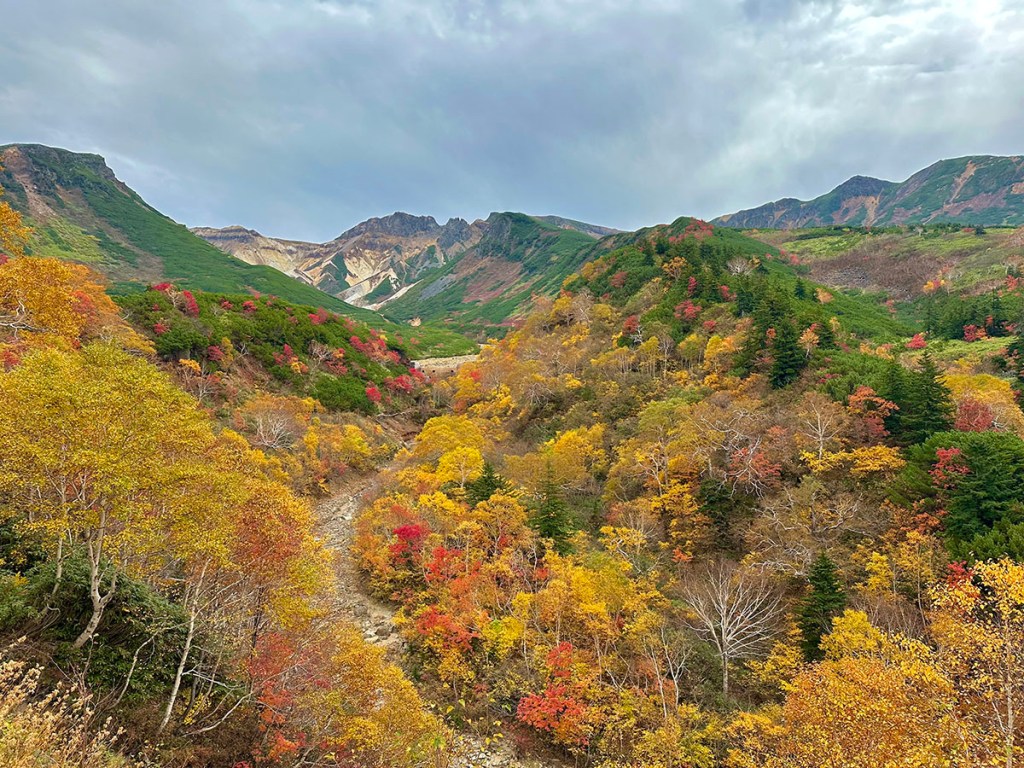
but if you maintain a healthy respect for the volcano, you can hike up the Bōgakudai Trail into the Kitamuki Crater and get as close as you feel is safe to active vents and fumaroles without a single railing or warning sign between you and the hellfire.
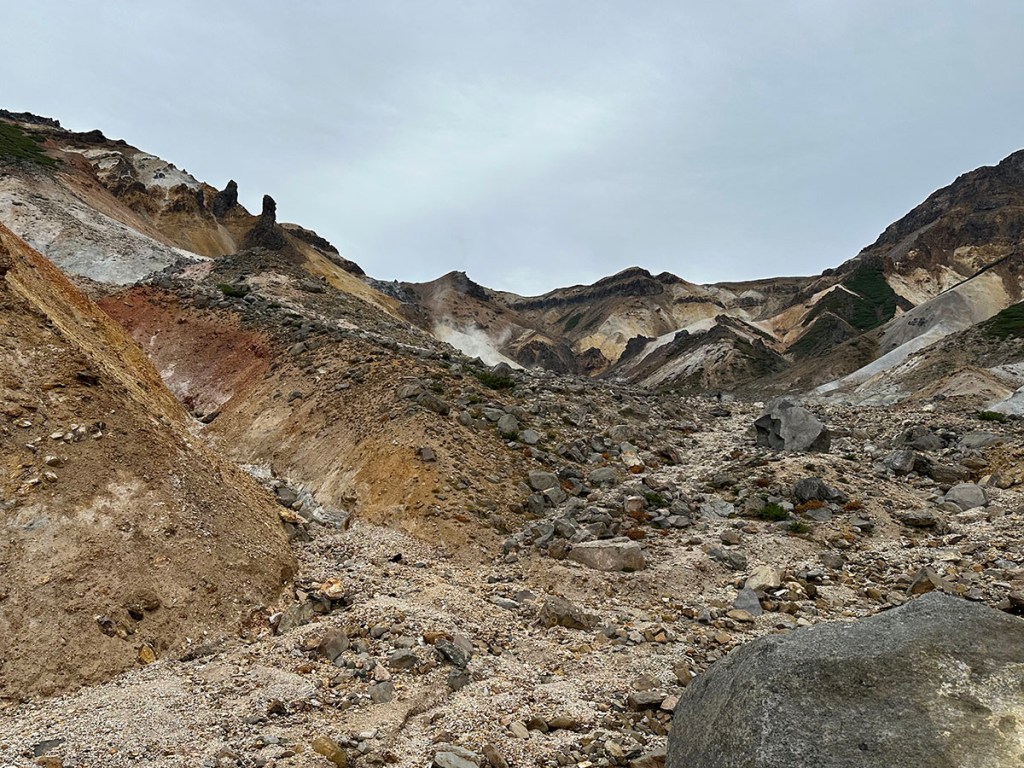
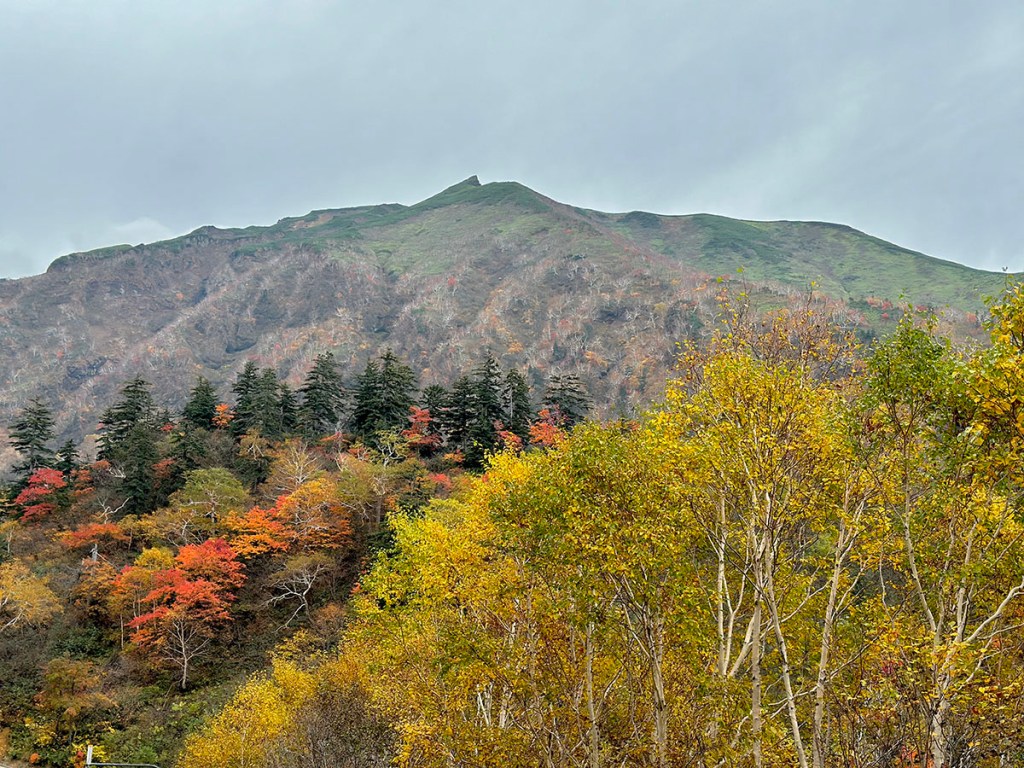
But Tokachidake isn’t all bare rocks and steam vents—there’s also a nearby ramble through the bands of mixed forest, leading to a river that tumbles over rocks on its merry way to the sea.
Furano: In winter it’s known for powder, but the rest of the year it’s famous for flowers and food
This famous Nakafurano Flower Park is a constantly changing kaleidoscope in spring, summer and fall.
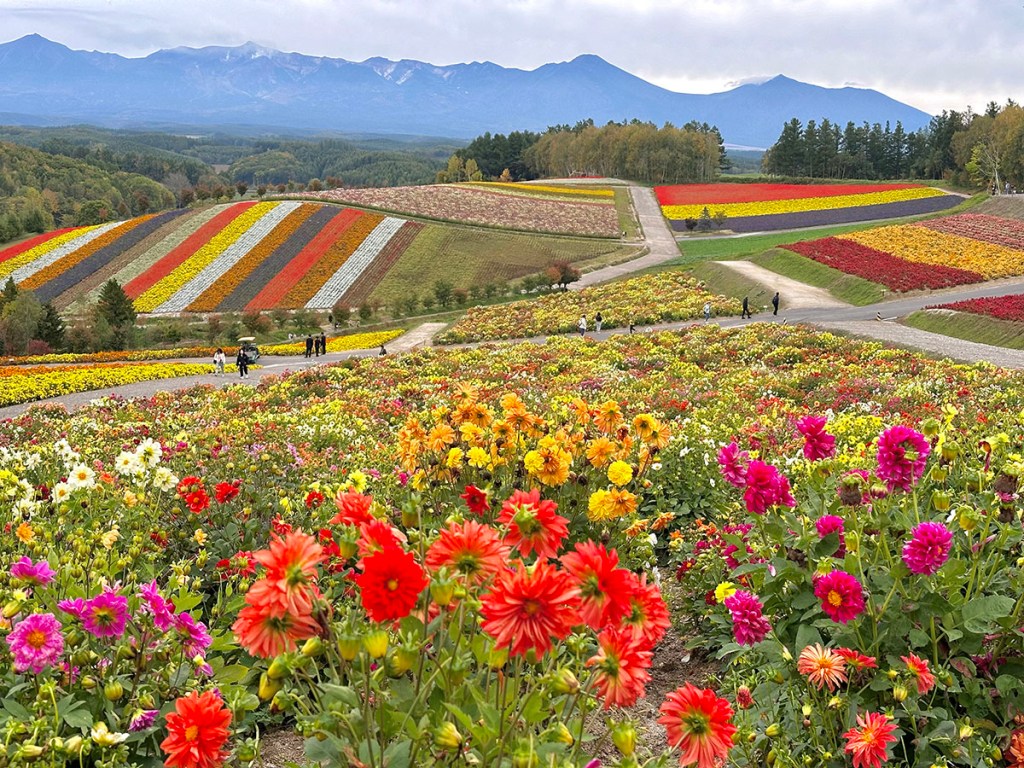
But the town of Furano is also foodie heaven, delivering local produce and flavors in every possible combination. I was there in the fall, when the summer harvest of hascap berries…
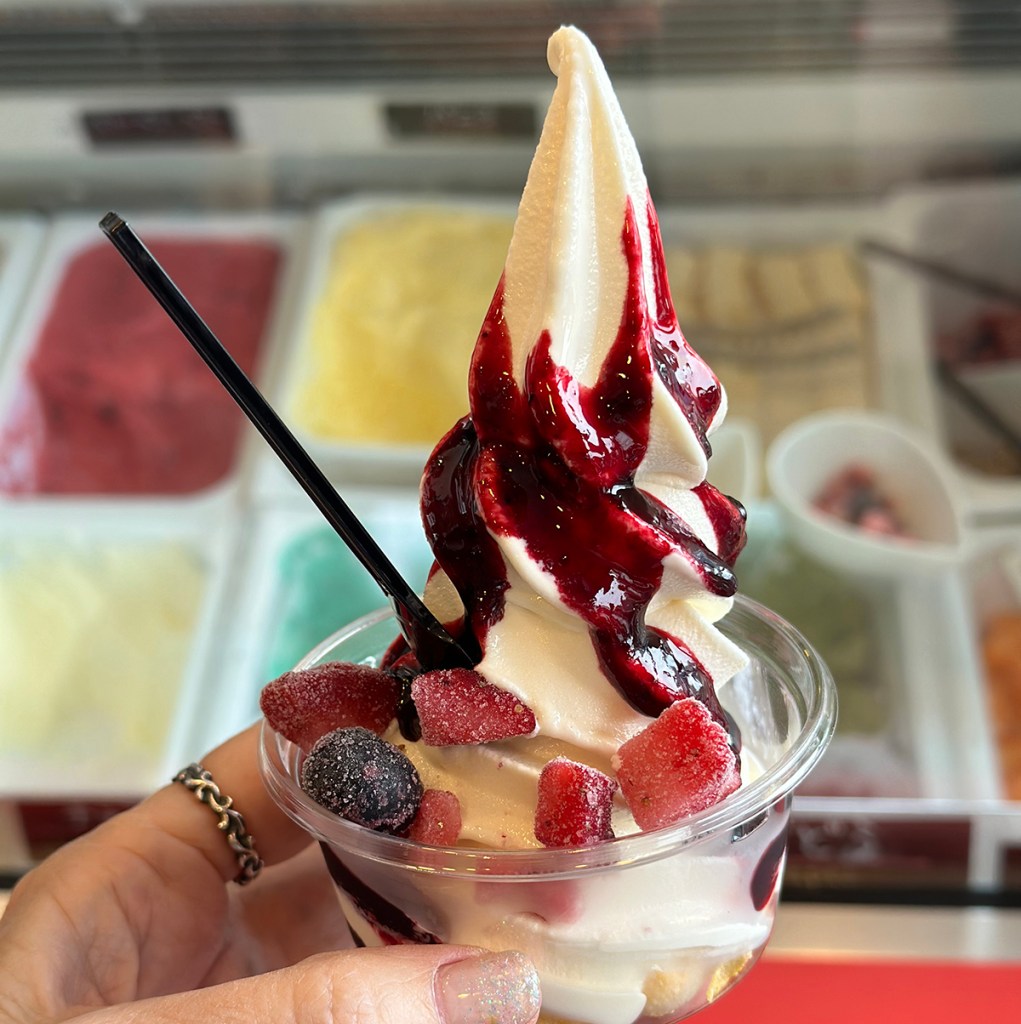
has just been made into jam, syrup and other yums. This rare fruit that tastes like every berry rolled into one is only grown in Hokkaido, and the crop is so small, very little makes it off the island. Hascap berries are pretty much a perfect example of the ultimate Japanese reason to visit a destination: go there to experience something you can’t see or eat anywhere else.
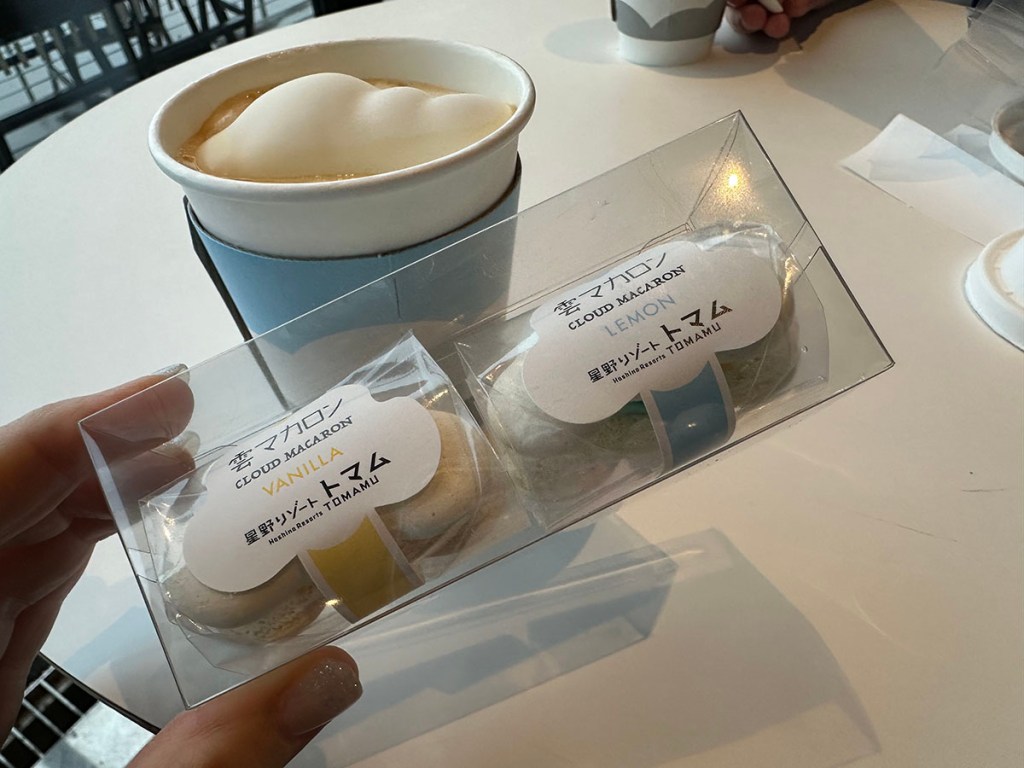
Hoshino Resorts Unkai Terrace: A chance to see the Sea of Clouds that rewards some visitors with Instagram gold
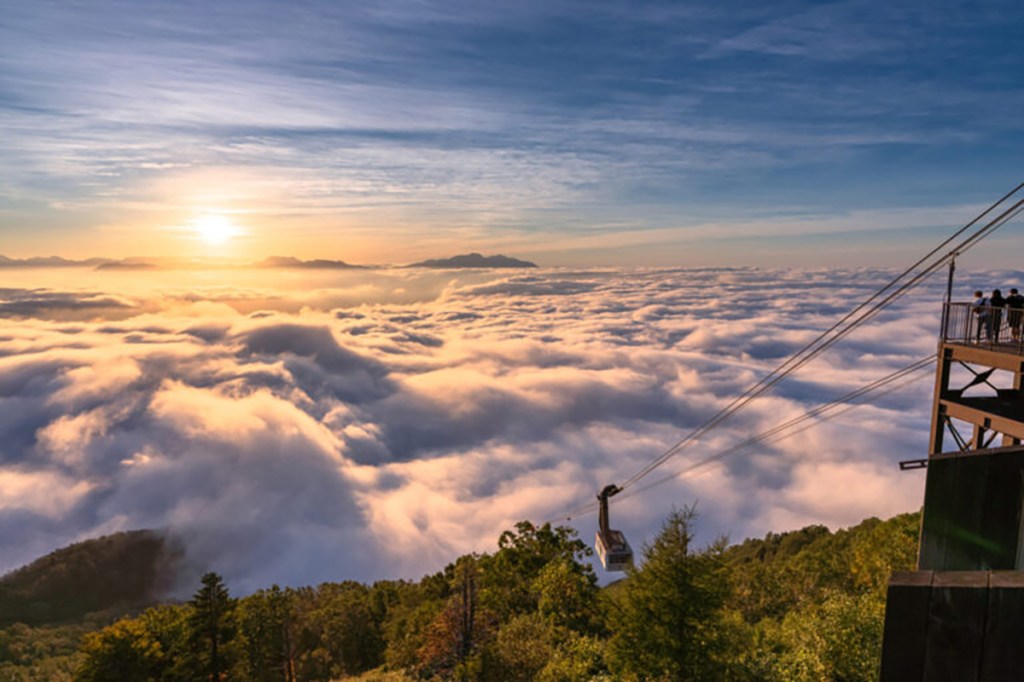
Unfortunately, I was not one of them.
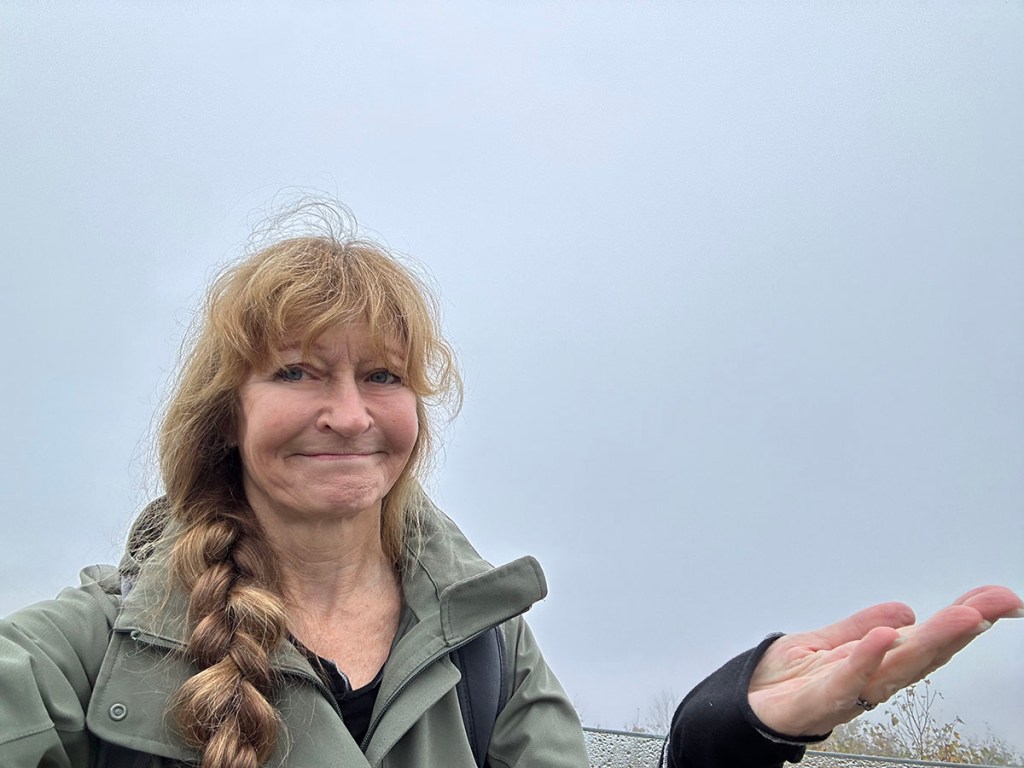
But you could get lucky! And if you don’t, rest assured that in Japan they’re used to dealing with famed sightseeing that don’t cooperate (Mt. Fuji, I’m looking at YOU), so they make sure that fails aren’t a compete loss. The unique eats and swag that can only be procured on the Sea of Clouds mountaintop Unkai Terrace go a long way toward soothing any disappointment.
And finally, the most unique onsen I’ve ever been to…
Ginkon-yu: Seven private outdoor hot spring baths set along a wild river
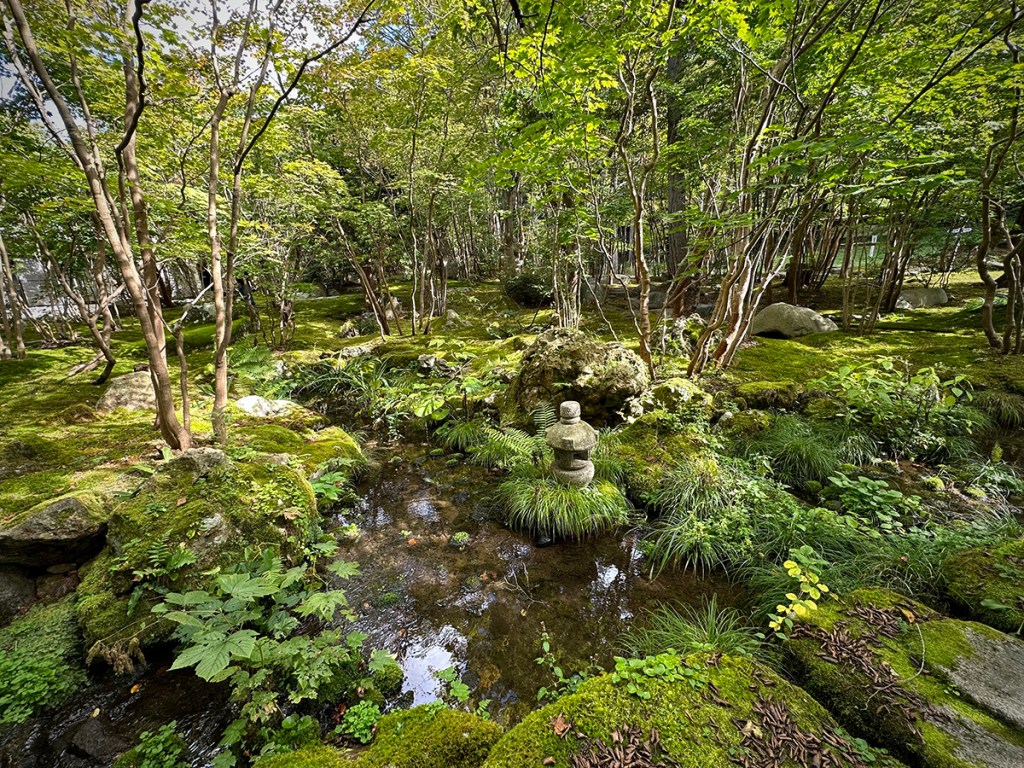
At most hot spring inns, the insanely huge moss garden surrounding this gracious inn would be enough to draw visitors from far and wide, but at Ginkon-yu, it’s merely the path to the main attractions…
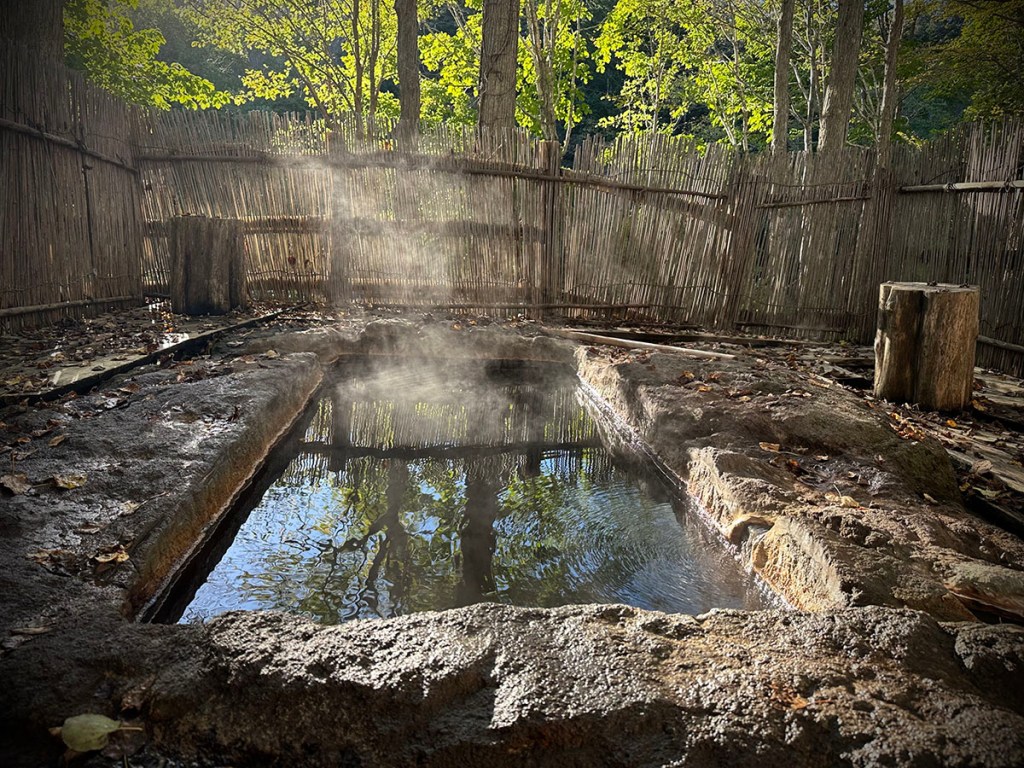
Ginkon-yu boasts seven private hot spring baths, each uniquely situated amid natural splendor along the wild river that runs through the property. Some are uniquely rustic, like this hollow log bath…

while others deliver a treehouse experience, with the bath carved into a huge boulder!
Next month I’ll show you all seven amazing baths and give detailed info on where Ginkon-yu is and how to enjoy it to the fullest! Check the January Japanagram if you’d like more details. (And if you’re not a Japanagram subscriber and you’d like the January issue sent to you the moment it appears, scroll down to the orange button and subscribe!)
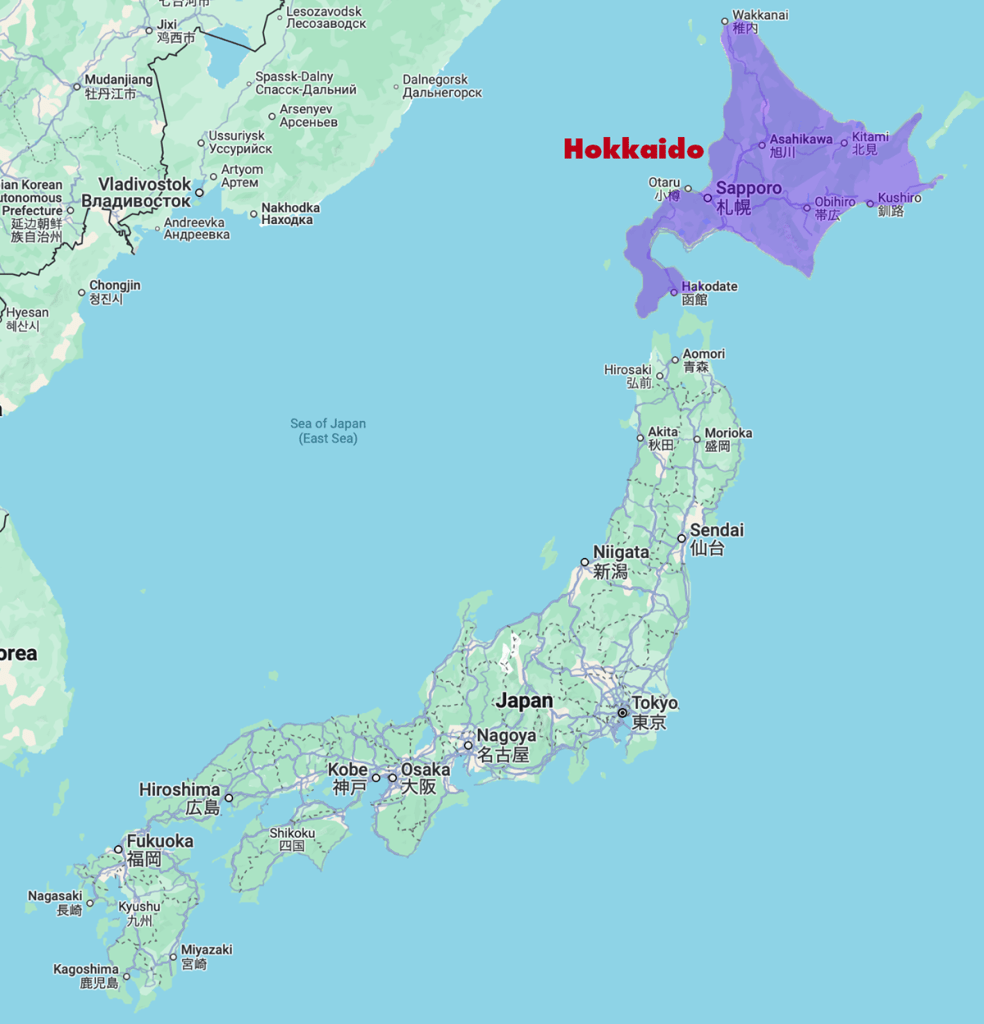
Here’s where Hokkaido is:
And here’s where all these fabulous sights are located:

Note: This is the first time I’ve admitted I couldn’t get everywhere in Japan by train. You can use the train to get within a taxi ride of the Noboribetsu and Ginkon-yu onsens, and there are stops in Furano and Biei, but the mountain destinations really require a car, and (ideally) a guide. For the places accessible by train, use the Japan Navigation phone app, plugging in your actual date and preferred arrival/departure time. Here’s where to get the app and how to use it. And the guide we used (who I highly recommend) is Hokkaido Nature Tours. I’m all about roaming around and discovering Japan on my own, but this is one of the cases where hiring a guide pays off bigtime. Weather is no joke in the Hokkaido mountains, and being with someone who can not only drive you around, but knows the terrain and trails and can suggest the best places to see what you came there to see makes all the difference.
I’ll dive deeper into many of these places in future Japanagrams, but if there are spots I’ve mentioned you’d like to know more about sooner rather than than later, let me know in the comments!
•
Click here for more Beyond Tokyo posts

•
Or get more must-see destinations sent to your email every month when you subscribe!

•

•
•
Jonelle Patrick writes novels set in Japan, produces the monthly Japanagram newsletter, and blogs at Only In Japan and The Tokyo Guide I Wish I’d Had
 Japanagram