Yokomura Eco-Lodge in Yamanashi Prefecture

Japan isn’t all neon lights, tea ceremonies and vending machines—rural farm life is alive and well in the beautiful Japanese countryside, and if you’ve ever dreamed of staying in one of those curvy-beamed, straw-plastered, traditional farmhouses, well, now you can!
Yokomura Eco-Lodge was restored by the owners of Kasamatsu Farms as a place for people to get away from the big city and see what it’s like to live on an organic farm. Looking out over the steep hillsides of Yamanashi, it’s a little over an hour away from Tokyo by train, but feels like a different world. Kaori and Byron run the farm on sustainable permaculture principles, which means not only do they compost and recycle, the chickens enjoy a diet of organic food scraps, then turn them into natural fertilizer for the crops!
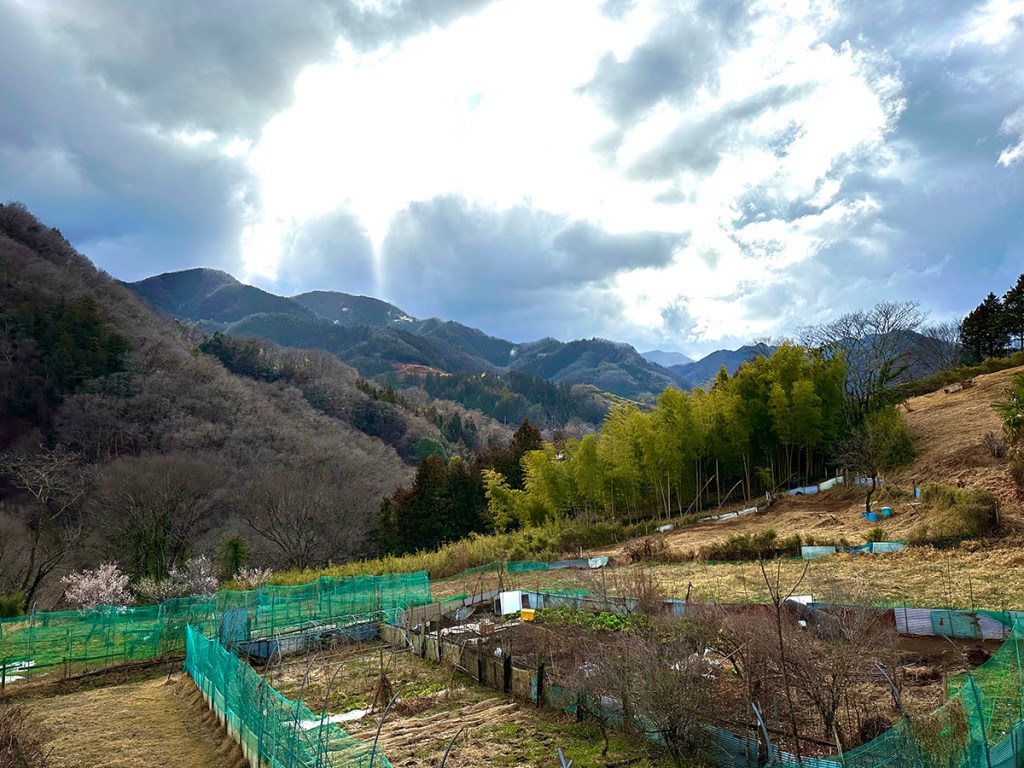
They grow vegetables overlooking this enviable view…
and sell organic, free-range eggs from their flock of sixty lucky chickens…
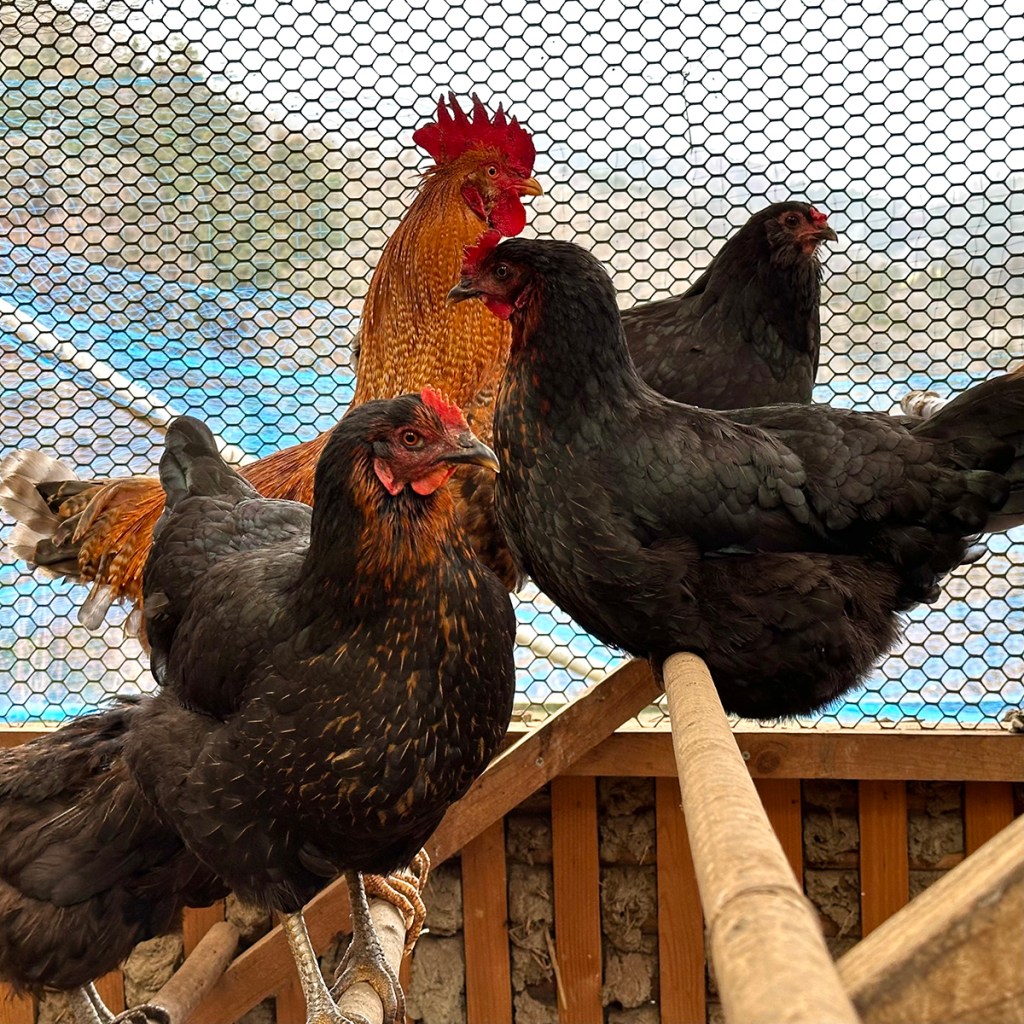
who live their best chicken lives in the world’s most beautiful Japanese-style chicken coop.
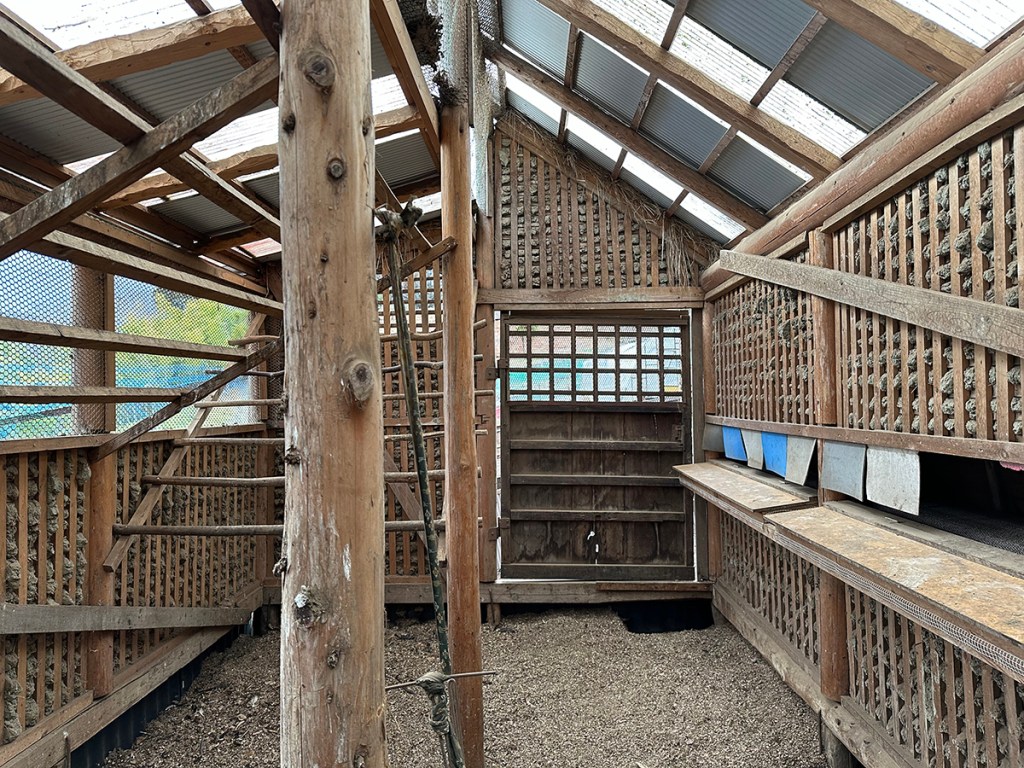
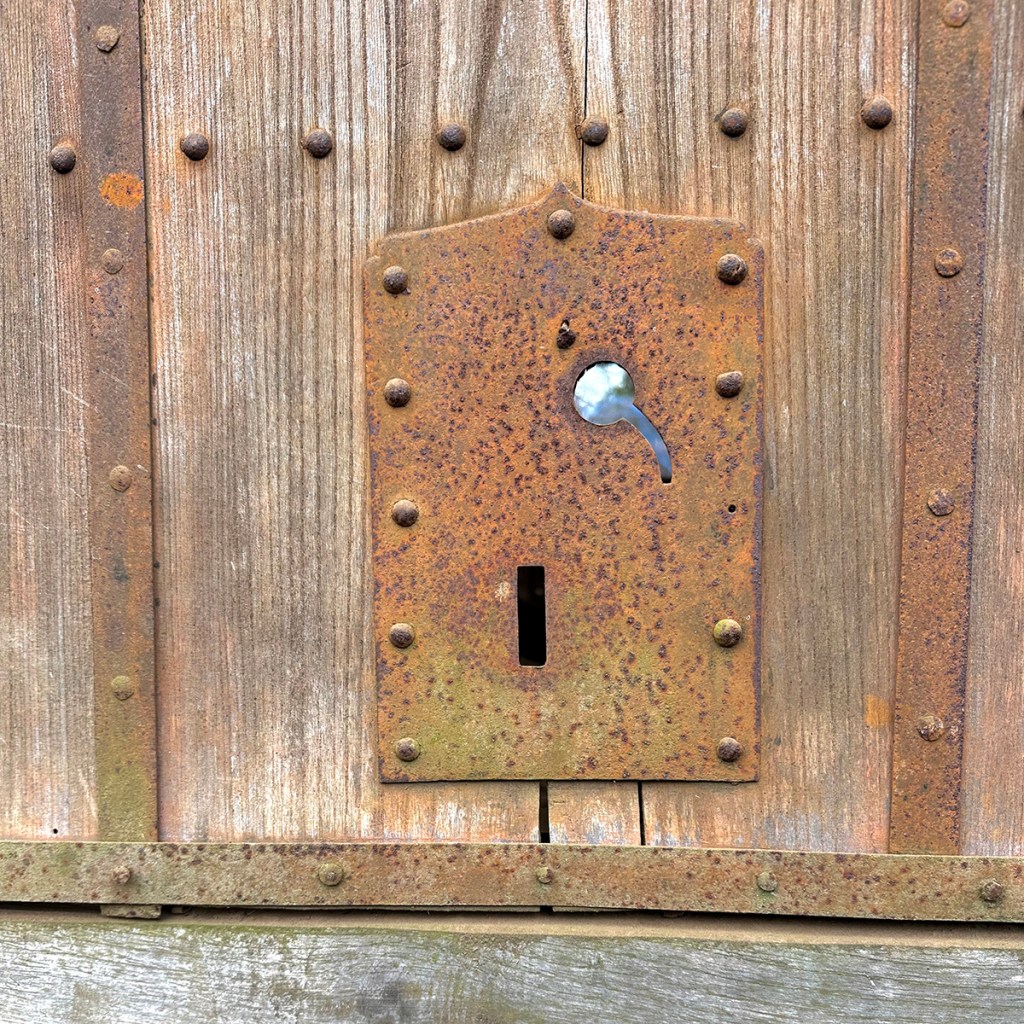
The chicken palace was built using traditional Japanese design and construction techniques, with wood and earth walls, and straw to plug the gaps. The crookedness of the perches and knobbiness of the columns add the kind of character that Japanese farmhouses are famous for. It even has an old-fashioned Edo Period lock on the door!
When the weather is fine, the chickens have the run of their large outdoor yard,

but can come inside anytime through the chicken door
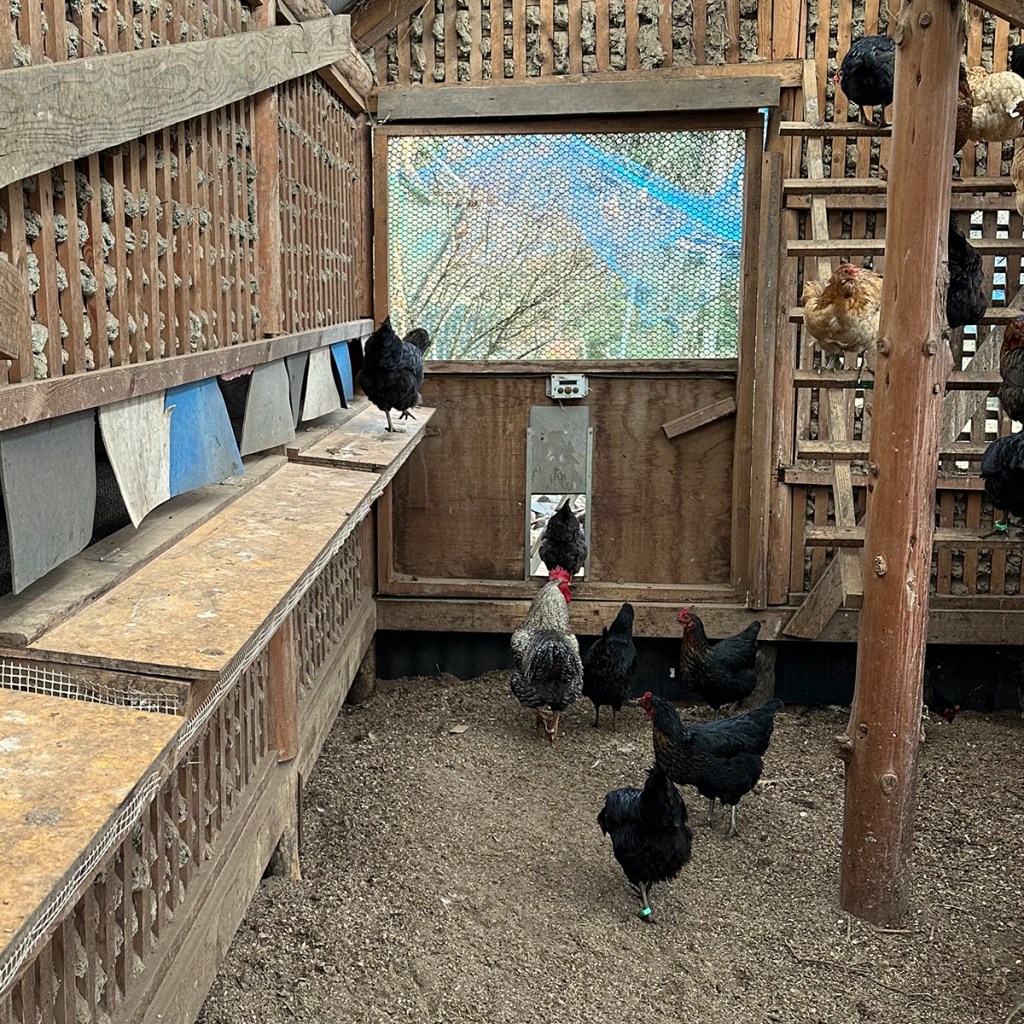
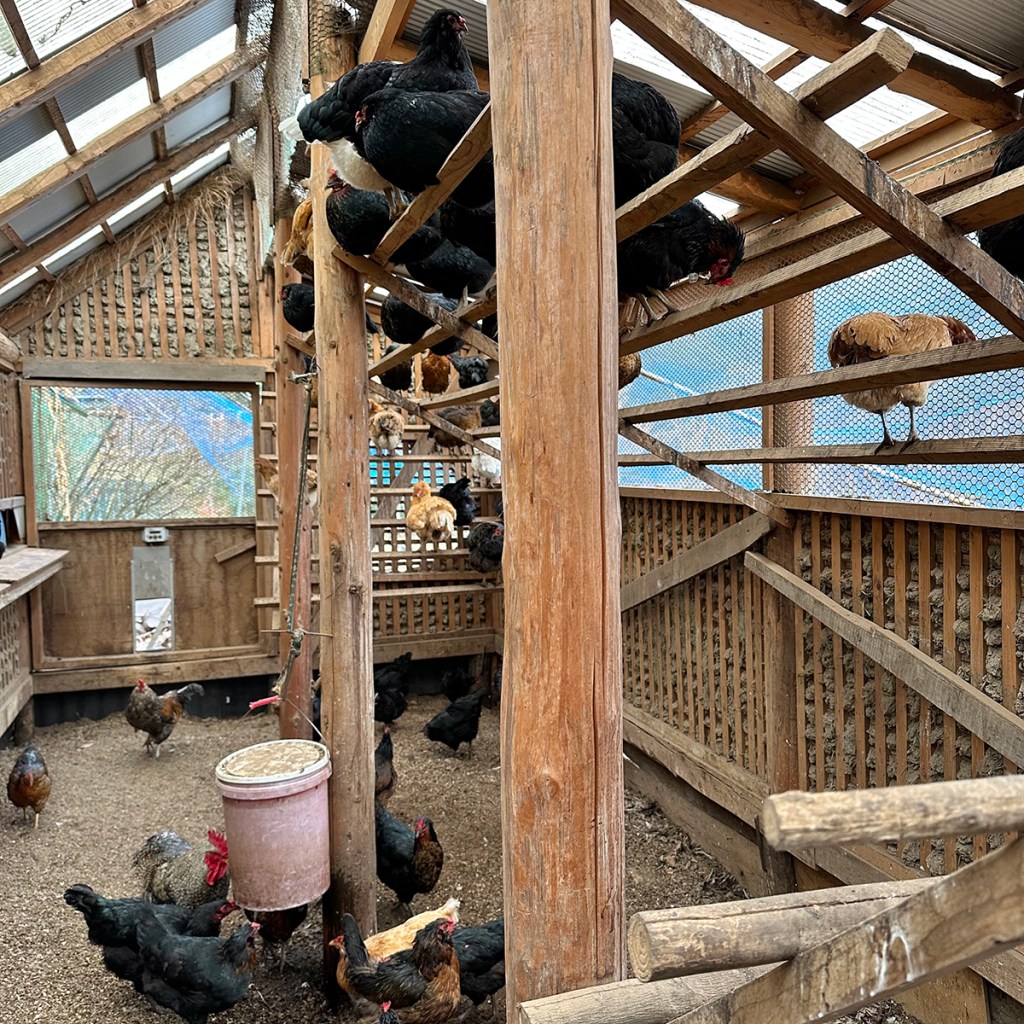
As happy hour arrives, most of them have already claimed their favorite roost, after lining up for a drink at the water bucket bar.
These hens are champion layers, and the egg-delivery system is genius. Turns out, laying an egg is something that chickens prefer to do in private, so Kaori and Byron designed this shelf with privacy curtains that the hens can duck behind when they feel that old egg laying urge coming on.

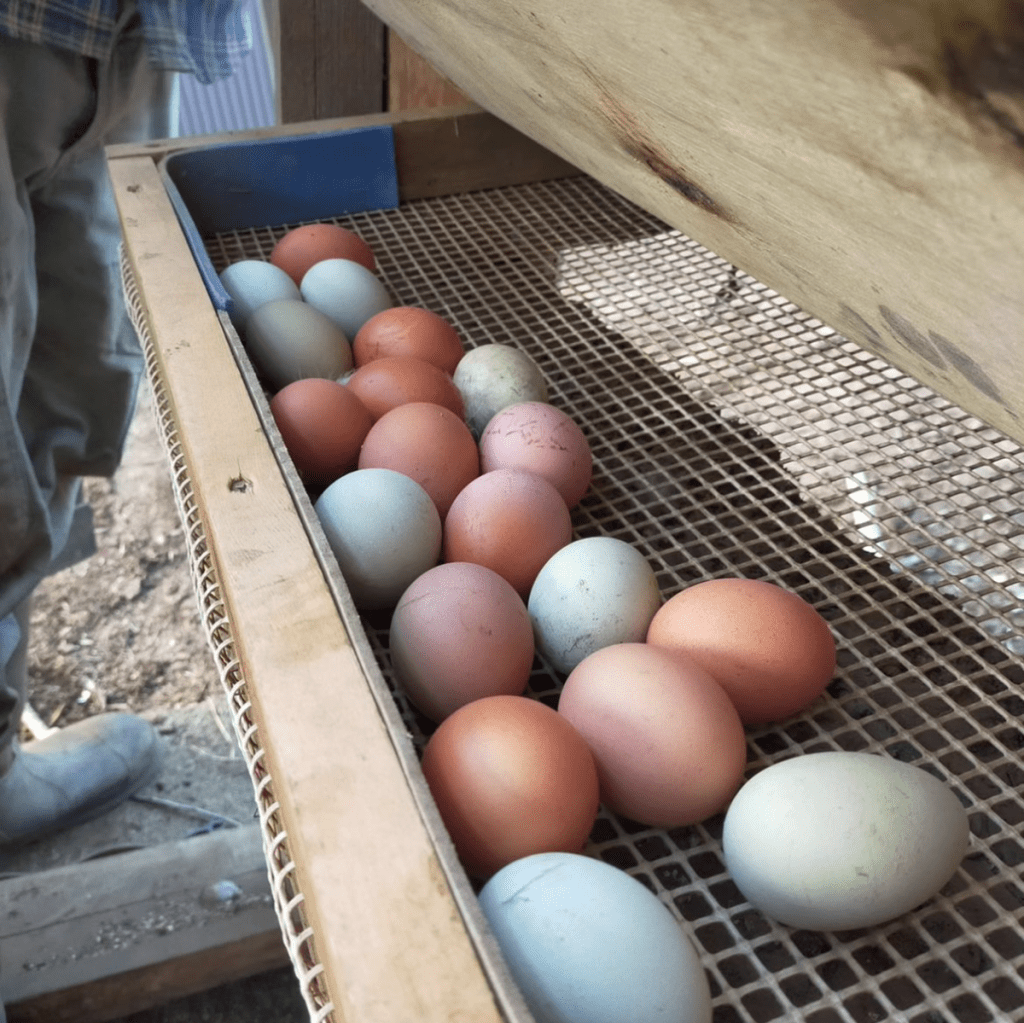
The eggs roll down into a collection tray at the front, with a lid that can be raised to gather them.

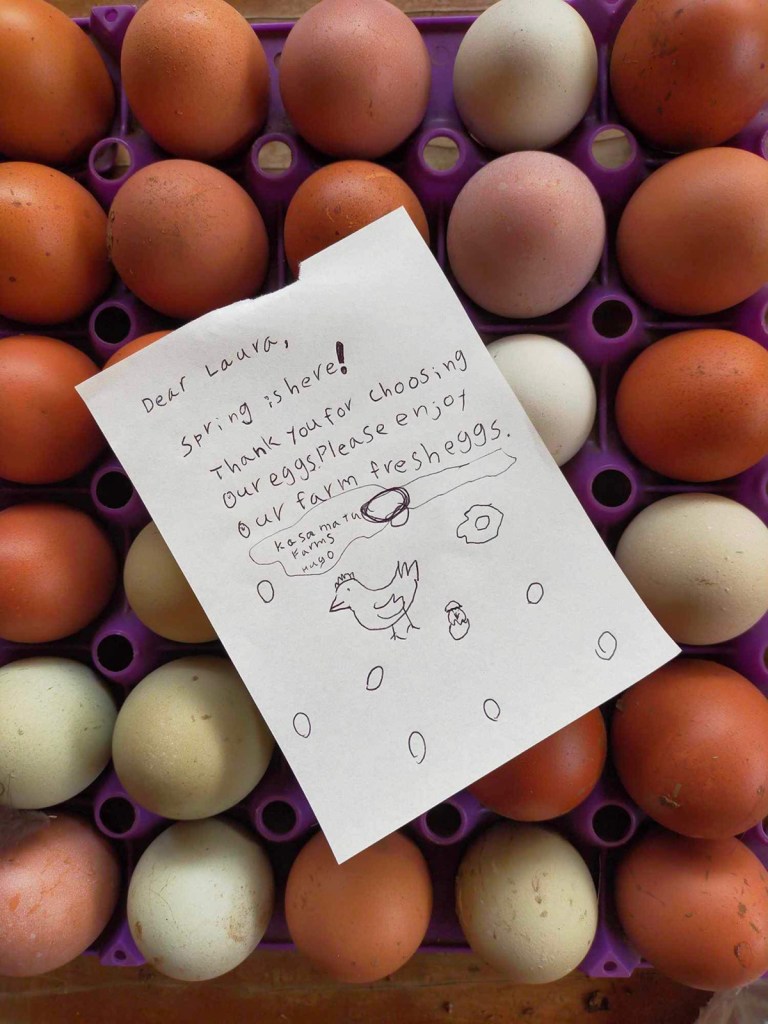
There are several different kinds of hens in the flock, and they all lay different colored eggs.
As excited as I was to get a glimpse of chicken heaven, I was also eager to live the dream of retreating to a traditional Japanese farmhouse after a long day in the countryside!
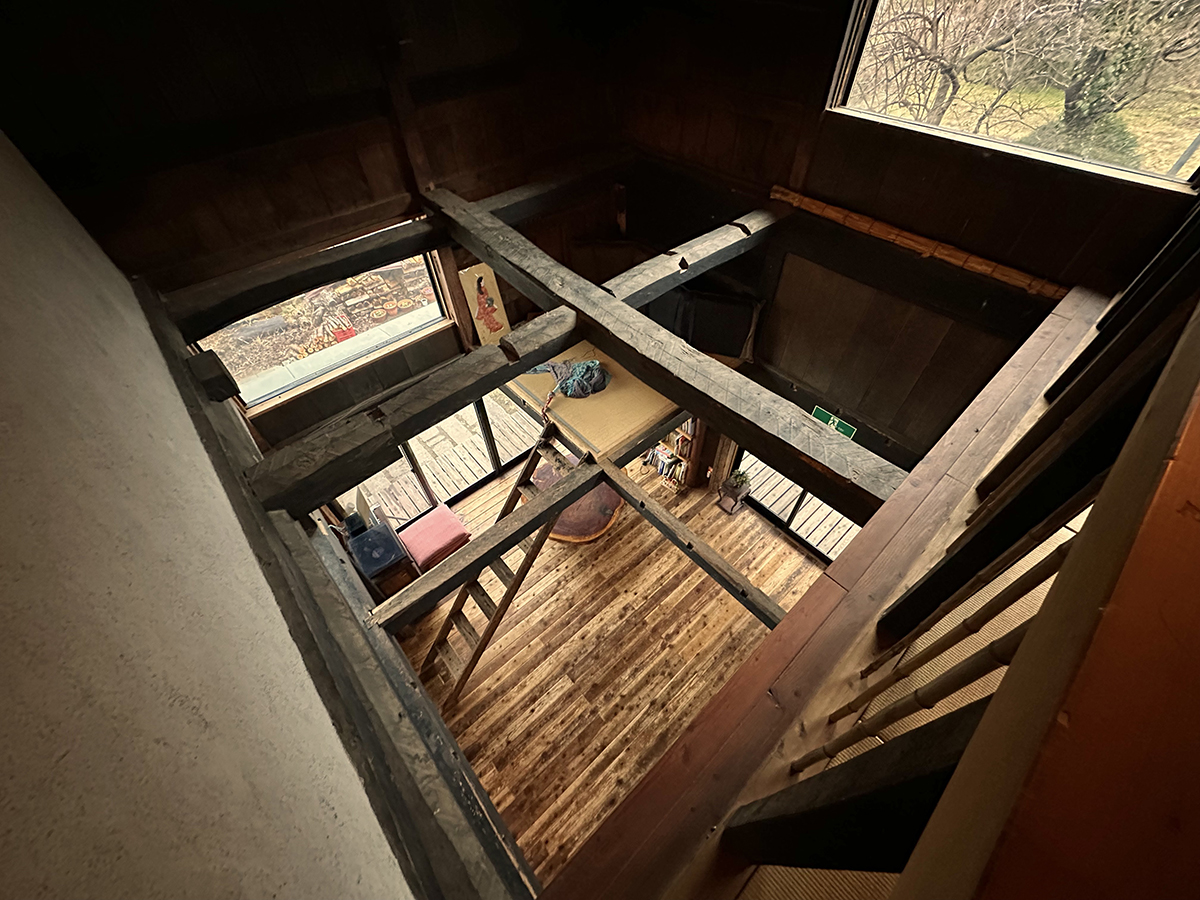
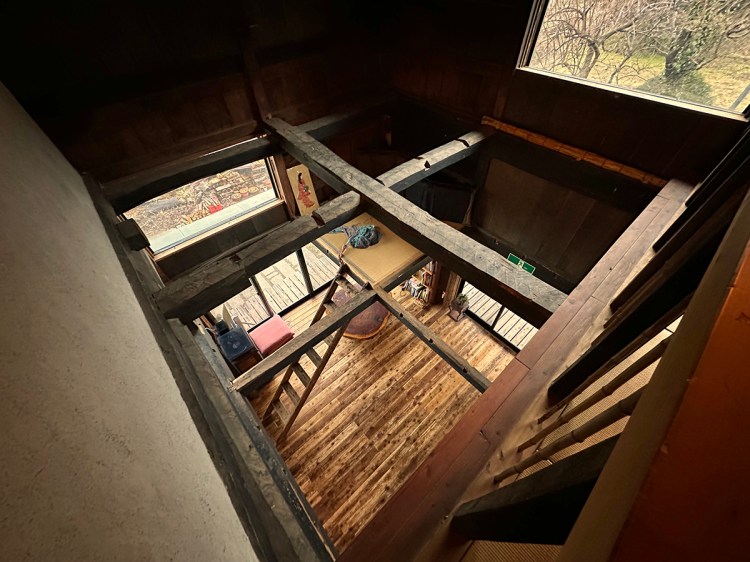
Kaori and Byron recognized the “good bones” in this abandoned rural house, and restored it the most ecologically friendly way possible, while also adding a few modern comforts (like insulation and running water!) Looking down through the naturally curvy beams from what used to be the silkworm loft, I admired the no-nails construction (see where the beams cross?) while also appreciating the windows that let in a lot more light than these old farmhouses used to have.
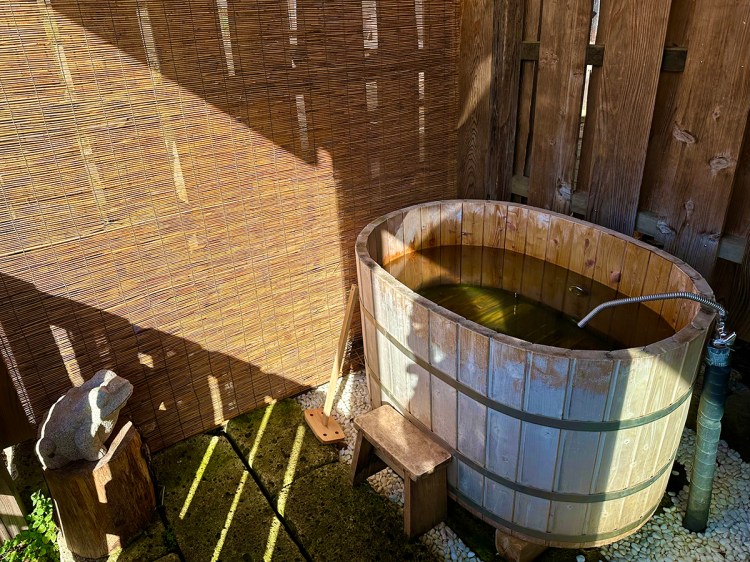
The bath is in a traditional outhouse next to the kitchen, and I’m happy to verify that this wood-fired soaking tub can go head to head with the most luxurious onsens when it comes to a satisfying up-to-the-neck bath. Made from a now-rare kind of Japanese cedar called hinoki, the fragrance alone made me want to stay there until thoroughly prunified.
All the rustic details you’d expect in a Japanese farmhouse have been preserved or restored—the peeled log posts, the rush ceilings, the straw-plastered walls—with some areas paved in fresh tatami mats for wall-to-wall futons at night. (When I come back with a passel of children or a big group of friends, this will be key)…
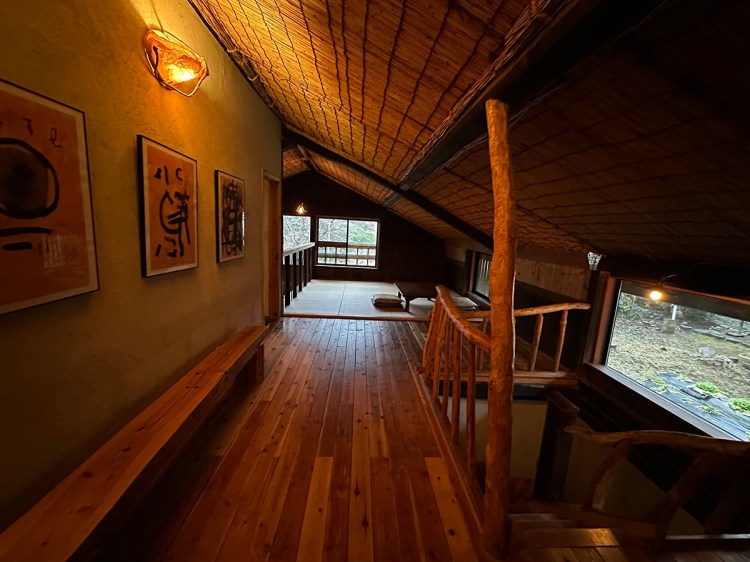
but plenty of private space too…
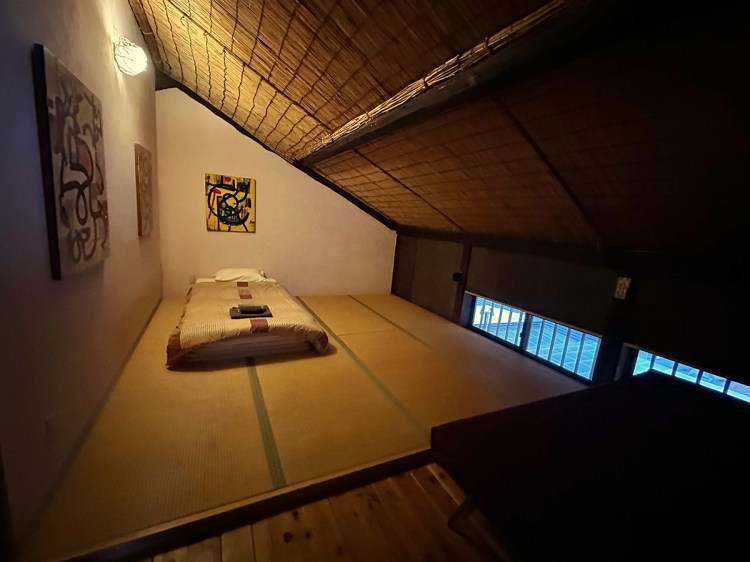
including my favorite bedroom, with its homemade vine lamp…

and one wall of sliding screens that open onto the main living space—instead of being made of plain white paper, each pane is a different multicolored, vintage-patterned chiyogami print!
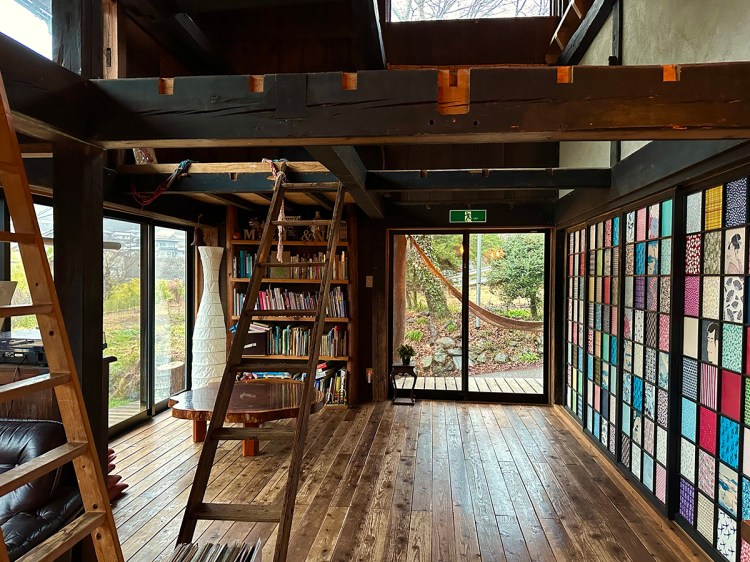
In case you’re wondering about the ladders, they were a regular fixture in houses of this type, where farmers supplemented their income from what they grew on their land with growing silkworms in the attic. The upper floor of this house was originally used for silk production.
The silkworms may be gone, but the working farm vibe lives on in the long table for feeding family and workers alike…
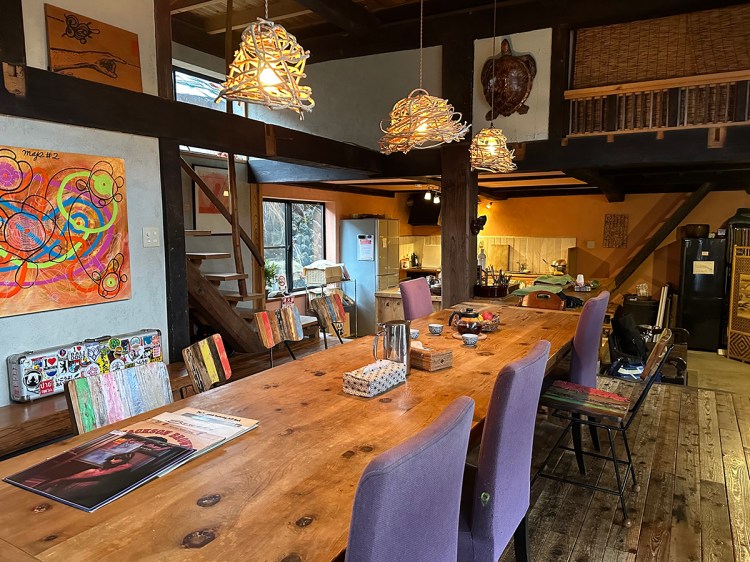
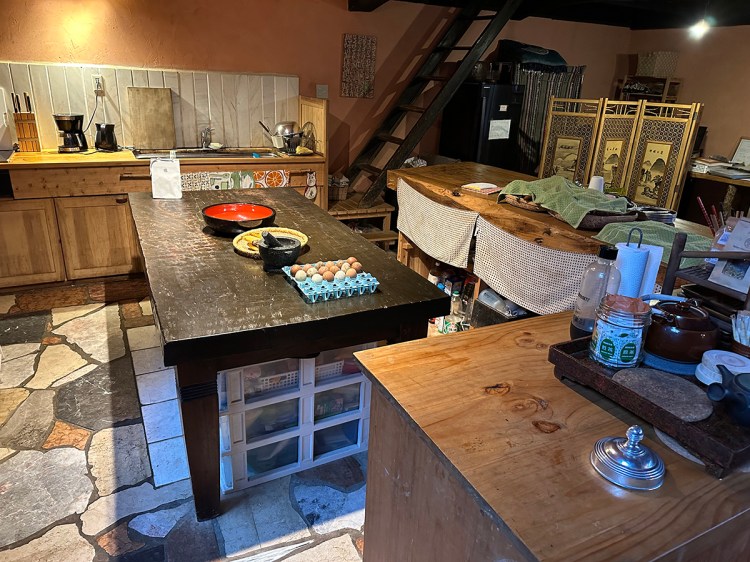
and the open, stone-floored kitchen that invites everyone to lend a hand.
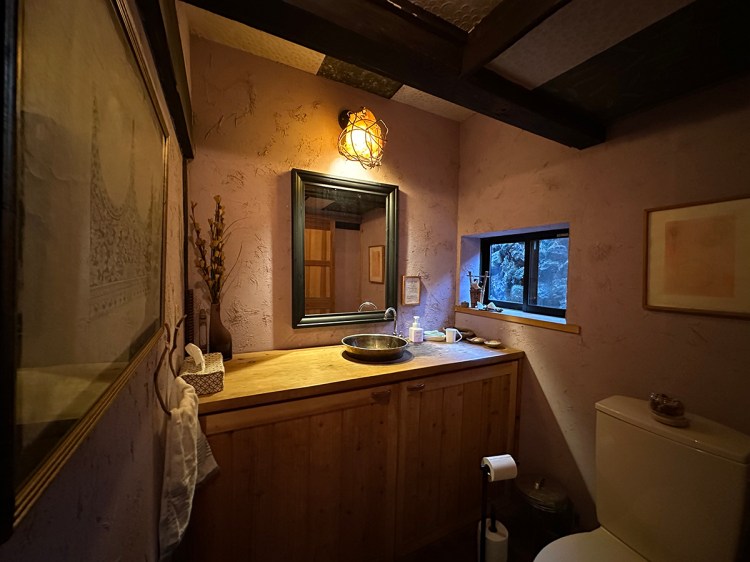
The one thing I was quite grateful they didn’t preserve is the hike to an outhouse latrine in the middle of the night, but even the modern bathroom feels cozy and welcoming.
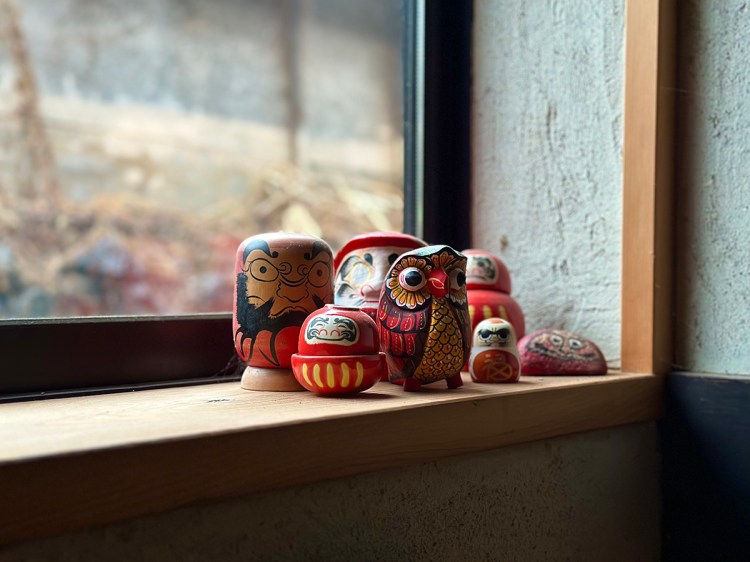
Everywhere I looked, there were delightful details and little collections of traditional folk art…
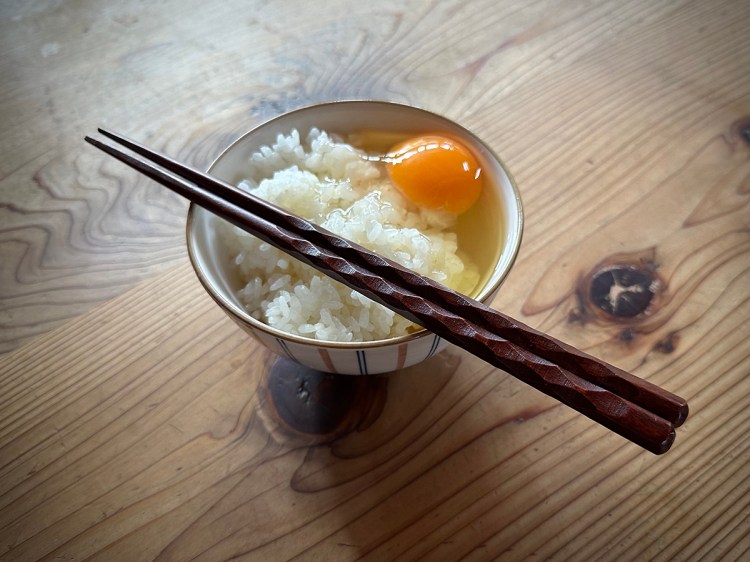
And nothing has ever tasted so good as the bowl of morning rice with one of those just-laid organic eggs on top for breakfast! (If tamago kake gohan isn’t your go-to childhood favorite, of course, they’re also spectacularly good scrambled or sunny side up!)
If you’d like to stay at the Yokomura Eco-Lodge the next time you’re in Japan, you can book a stay yourself (online and in English) through their AirBnB page.
And if you live in Japan, Kaori and Byron can send you some of those amazing eggs and seasonal organic produce from their Kasamatsu Farms website (sometimes accompanied by a cheery note from one of the hardworking junior egg harvesters)!
Personal note: If you’ve ever tried to travel in a group larger than four in Japan (especially if some of them are children), you’ll know how challenging it is to find places that are reasonably priced and friendly to large groups, with facilities to cook one or more meals each day. (Seasonal bonus: there’s an outdoor BBQ area strung with lights for those warm summer evenings.)
This country getaway is only about an hour and a half from central Tokyo (nearest station is Uenohara) but it feels like a world away. There’s a nearby river for swimming and wading in the summertime, and a ten minute walk delivers a small town with a nice onsen that welcomes day visitors.
•
Here’s where Yokomura Eco-Lodge is:
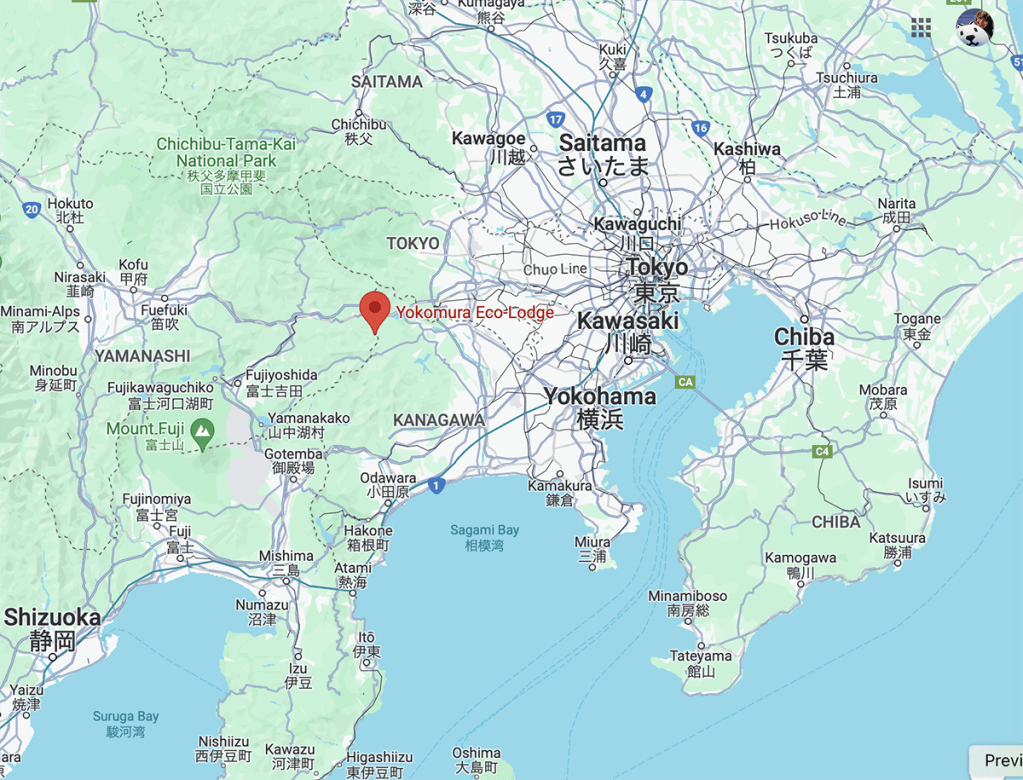
How to get to Yokomura Eco-Lodge from Tokyo:
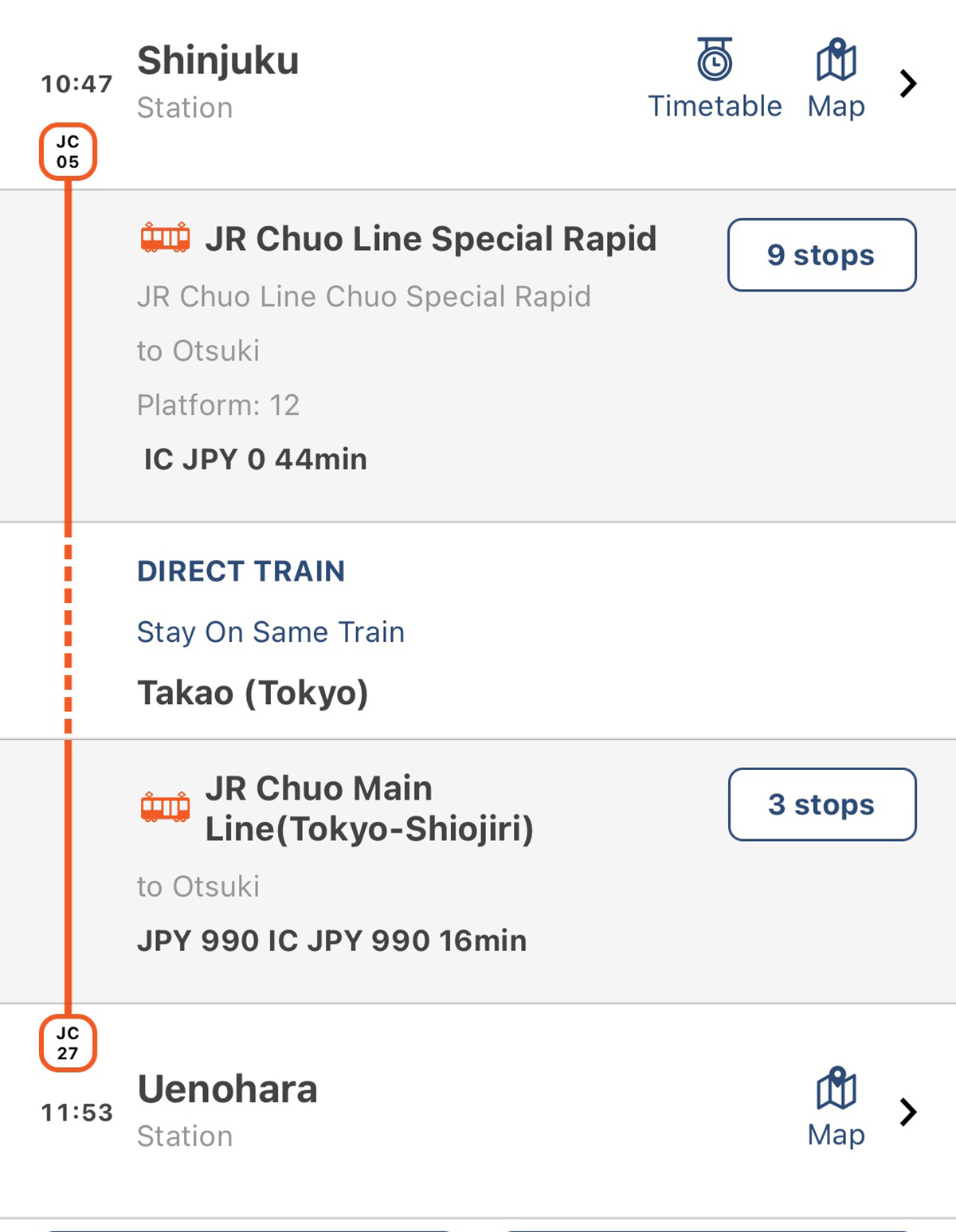
I used the Japan Navigation phone app to figure out this route, and you can easily use it too, with your actual date and preferred arrival/departure time. It’s also good for finding the easiest way to get to Tokyo Station from where you’re staying. Here’s where to get the app and how to use it.
•
Click here for more Beyond Tokyo posts

•
Or get more must-see destinations sent to your email every month when you subscribe!

•

•
•

Jonelle Patrick writes novels set in Japan, produces the monthly Japanagram newsletter, and blogs at Only In Japan and The Tokyo Guide I Wish I’d Had
Yokomura Eco-Lodge in Saitama Prefecture
Japan isn’t all neon lights, tea ceremonies and vending machines—rural farm life is alive and well in the beautiful Japanese countryside, and if you’ve ever dreamed of staying in one of those curvy-beamed, straw-plastered, traditional farmhouses, well, now you can!
Yokomura Eco-Lodge was restored by the owners of Kasamatsu Farms as a place for people to get away from the big city and see what it’s like to live on an organic farm. On the steep hillsides of Saitama—just a little over an hour away from Tokyo by train—Kaori and Byron grow gorgeous vegetables…
and sell organic, free-range eggs from their flock of sixty lucky chickens…
who live their best chicken lives in the world’s most beautiful Japanese-style chicken coop.
The chicken palace was built using traditional Japanese design and construction methods, with wood and earth walls, and straw to plug the gaps. The crookedness of the perches and knobbiness of the columns add the kind of character that Japanese farmhouses are famous for. It even has an old-fashioned Edo Period lock on the door!
When the weather is fine, the chickens have the run of their large outdoor yard,
but can come inside anytime through the chicken door
As happy hour arrives, most of them have already claimed their favorite roost, after lining up for a drink at the water bucket bar.
These chickens are champion layers, and the egg-delivery system is genius. Turns out, laying an egg is something that chickens prefer to do in private, so Kaori and Byron designed this shelf with privacy curtains that the hens can duck into when they feel the ol’ egg laying urge coming on.
The eggs roll down into a collection tray at the front, with a lid that can be raised to gather them.
There are several different kinds of hens in the flock, and they all lay different colored eggs.
I was excited to get a glimpse of chicken heaven, but also eager to live the dream and find out what it’s like to retreat to a traditional Japanese farmhouse after a long day in the countryside!
Kaori and Byron recognized the “good bones” in this abandoned rural house, and restored it the most ecologically friendly way possible, while also adding a few modern comforts (like insulation and running water!) Looking down through the naturally curvy beams from what used to be the silkworm loft, I admired the no-nails construction (see where the beams cross?) while also appreciating the windows that let in a lot more light than these old farmhouses used to have.
The bath is still in a traditional outhouse next to the kitchen, but I’m happy to verify that this wood-fired soaking tub can go head to head with the most luxurious onsens when it comes to a satisfying up-to-the-neck bath. Made from a now-rare kind of Japanese cedar called hinoki, the fragrance alone made me want to stay there until thoroughly prune-y.
All the rustic details you’d expect in a Japanese farmhouse have been preserved or restored—the peeled log posts, the rush ceilings, the straw-plastered walls—with some areas paved in fresh tatami mats for wall-to-wall futons at night (when I come back with a passel of children or a big group of friends, this will be key)…
But plenty of private space too…
Including my favorite room, with its homemade vine lamp and one wall of sliding screens that you can’t see in this photo…
that open onto the main living space and instead of being made of plain white paper, each pane is made of multicolored, vintage-patterned chiyogami!
In case you’re wondering about the ladders, they were a regular fixture in houses of this type, where farmers supplemented what they grew on their land with growing silkworms in the attic. The upper floor of this house was originally used for silk production.
The silkworms may be gone, but the working farm vibe lives on in the long table for feeding family and workers alike…
and the open, stone-floored kitchen that invites everyone to lend a hand.
The one thing I was quite grateful they didn’t preserve is the hike to an outhouse latrine in the middle of the night, but even the modern bathroom feels cozy and welcoming.
Everywhere I looked, there were delightful details and little collections of traditional folk art…
And nothing has ever tasted so good as the bowl of morning rice with one of those just-laid organic eggs on top for breakfast! (If tamago kake gohan isn’t your go-to childhood favorite, of course, they’re also spectacularly good scrambled or sunny side up!)
If you’d like to stay at the Yokomura Eco-Lodge yourself, Kaori and Byron take bookings through their AirBnB page.
And if you live in Japan, Kaori and Byron sell those amazing eggs and seasonal produce from their Kasamatsu Farms website!
Personal note: If you’ve ever tried to travel in a group larger than four in Japan (especially if some of them are children), you’ll know how challenging it is to find places that are reasonably priced, friendly to large groups, offer a private place to get together and hang out as well as escape to privacy, and facilities to cook one or more meals each day. This country getaway is only about an hour and a half from central Tokyo (nearest station is Uenohara) but it feels like a world away. There’s a nearby river for swimming and wading in the summertime, and a ten minute walk delivers a small town with a nice onsen that welcomes day visitors.
•
Here’s where Yokomura Eco-Lodge is:
How to get to Yokomura Eco-Lodge from Tokyo:
I used the Japan Navigation phone app to figure out this route, and you can easily use it too, with your actual date and preferred arrival/departure time. It’s also good for finding the easiest way to get to Tokyo Station from where you’re staying. Here’s where to get the app and how to use it.
•
Click here for more Beyond Tokyo posts
•
Or get more must-see destinations sent to your email every month when you subscribe!
•
•
•
Jonelle Patrick writes novels set in Japan, produces the monthly Japanagram newsletter, and blogs at Only In Japan and The Tokyo Guide I Wish I’d Had
 Japanagram