

Kamikaze. It means “divine wind”, and was originally used to describe the typhoon that sent the 4,000-ship fleet of would-be Japan invader Kublai Khan to Davy Jones’ locker in the year 1281. Seven centuries later, Japan’s WWII military leadership gave kamikaze a darker meaning: the Japanese suicide bombers who steered their tiger-toothed craft all the way to their deaths, taking thousands of Allied soldiers with them.
As another anniversary of the December 7th attack on Pearl Harbor approaches, come with me to the museum full of things I didn’t know about these doomed pilots’ tragic calling.

Everybody has heard of the terrifying kamikaze fliers, but when I revisited the Yūshūkan war museum at the Yasukuni Shrine this month, I learned something new: they didn’t just fly planes.
Members of the Special Attack Unit also piloted ginormous manned torpedoes:
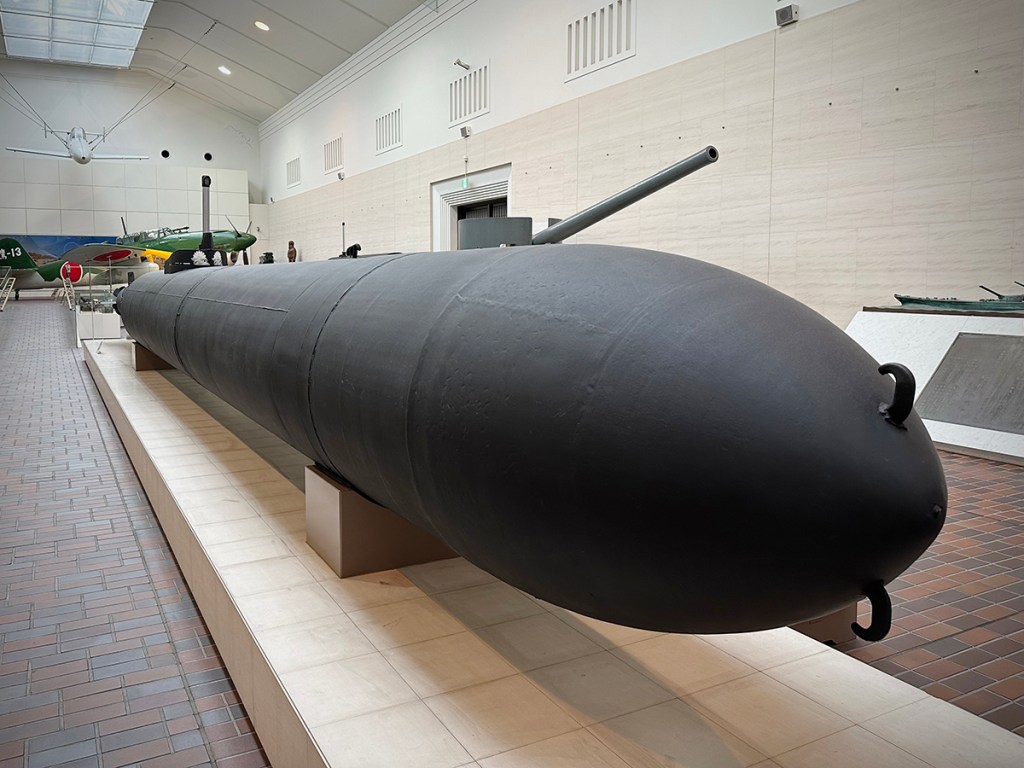
Which were launched from the decks of specially equipped submarines:

They also crashed little wooden motorboats packed with explosives into the waterline of warships:

And were dropped in what was basically a bomb with wings and a rocket engine from the belly of a bomber:

But why?
The story of the kamikaze turns out to be one of both sadness and desperation. According to exhibits at the Yūshūkan, the Special Attack Unit was formed in 1944, after the tide of war turned against Japan and they were running dangerously short of both men and airplanes. From 1944 to 1945, kamikaze pilots and sailors were being sacrificed every day to make the most of their country’s dwindling resources.
Photos aren’t allowed in any part of the museum except where the planes, tanks and torpedoes are displayed, but there are rooms upon rooms of memorabilia belonging to the kamikaze, from their last letters home to the thousand-stitch belts they wore on their ultimate sorties. There’s a display of beautiful dolls dressed as brides that were enshrined with their spirits to become the posthumous wives of men who gave up their future for their country and didn’t have a chance to marry. Many of them left behind paintings, music and poetry that would have been just the beginning of their life’s work if their lives had not been cut so tragically short.
It’s hard to look at the countless black and white photos lining the galleries and not be saddened at the waste of so many young lives, no matter who they fought for.* This museum provides a rare look at the war from the Japanese perspective, and is fairly even-handed even as it explains the regional history and details the flashpoints that made them feel they had no choice but to declare war on the United States and its allies.
*The Yasukuni Shrine is controversial because all the spirits of those who died for their country throughout Japan’s history are enshrined there, including those who were convicted as war criminals after WWII. Anytime a public figure pays respects at this shrine, the nations that suffered under Japanese occupation during the war lodge public diplomatic protests.
•
Click here for more The Thing I Learned Today posts

•
Or get more amusing Japan stuff sent to your email every month when you subscribe!

•


Jonelle Patrick writes novels set in Japan, and blogs at Only In Japan and The Tokyo Guide I Wish I’d Had
 Japanagram