
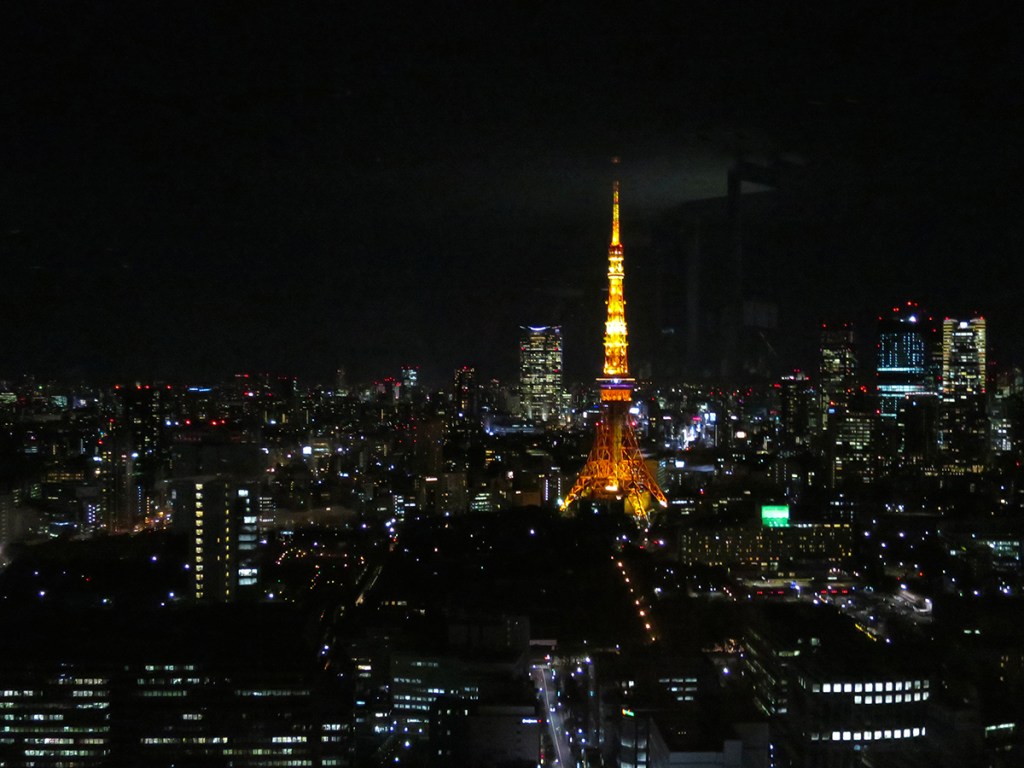
You aren’t the only one shaking your head at the recent news blurbs about the number of tourists shocked into the emergency rooms of France every year because their expectations about the glories of Paris were so out of step with the reality.
But why are so many of the victims Japanese?
If you’ve been to Japan, you may already be nodding your head, because you’ve experienced “Tokyo Syndrome”—the polar opposite of what Japanese tourists feel in Paris.
Here are seventeen things all Japanese assume are normal everywhere in the civilized world until they step off a plane and get the shock of their lives…
1
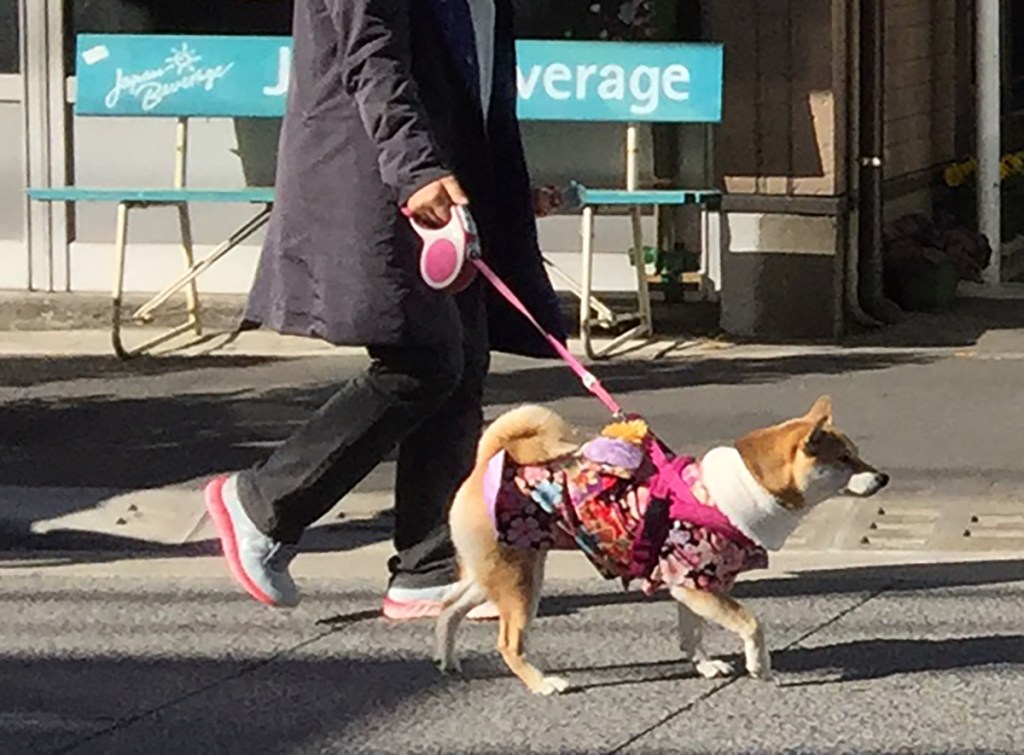
You’d never guess that there are more pets than children walking the streets of Tokyo.
No surprise that venturing out for a walk without a poop baggie for your pooch is Not Done, but Japanese dog owners also tote water bottles with perforations in the lids to sprinkle down the lampposts where their dogs wee, so it doesn’t create a public stink.
2
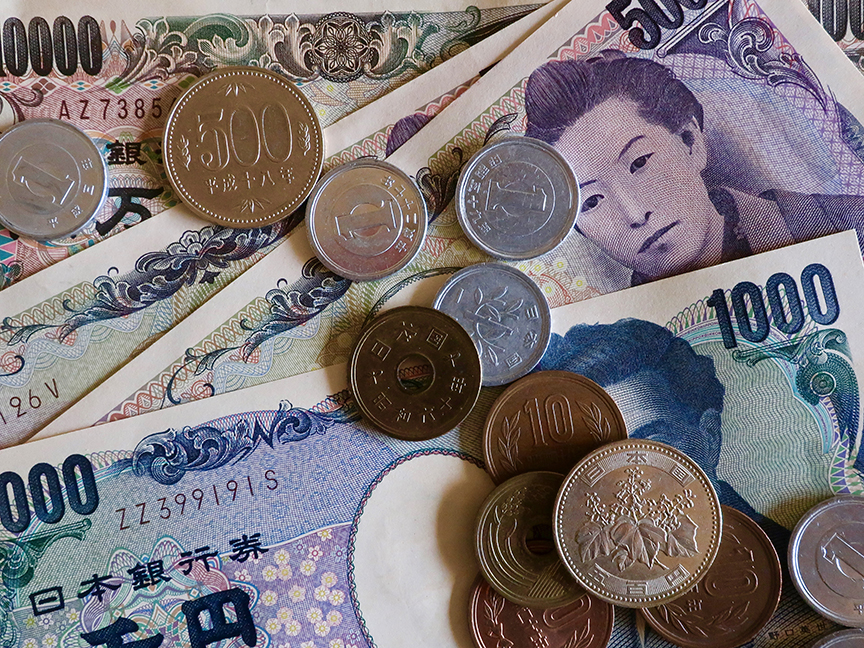
The money is clean and pressed.
3
Strangers never accost you on the street, and nobody takes a stealth photo of you without your permission.
All Japanese smartphones have a loud camera click that can’t be turned off for an unfortunately dark reason—in Japan, up-skirt photography is a common form of subway molesting, and making the camera click loud enough to hear in a crowded subway train puts a stop to most of it.
4
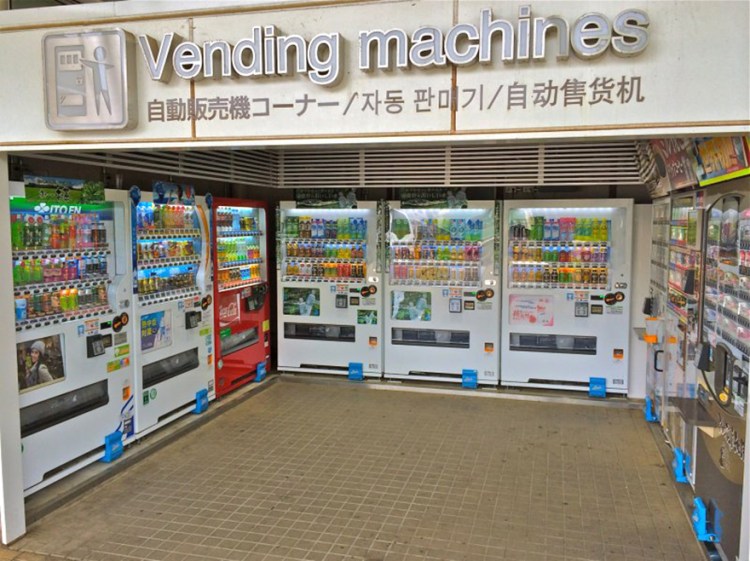
Vending machines on every corner make sure you never go thirsty.
5
There are purse hooks under cafe/bar counters and floor baskets for your bags/outerwear at restaurants
Anything that touched public surfaces is considered unclean—which is why Japanese take off their shoes and instantly change into “room pants” when they get home—and supplying dedicated places to put contaminated items at restaurants makes everyone feel more comfortable.
6
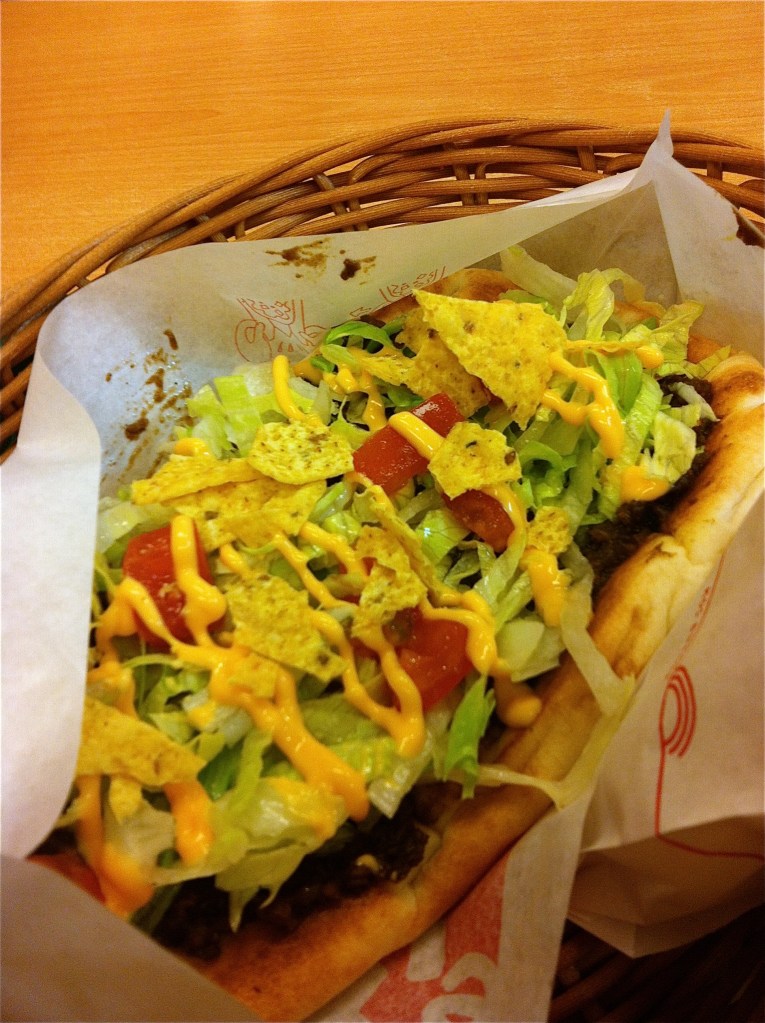
Waxed hamburger envelopes are always available to keep your hands clean, even while noshing the juiciest and most condiment-laden of burgers.
7
Your phone can warn you there’s about to be an earthquake.
The earthquake/tsunami warning app is a standard setting on Japanese phones.
8
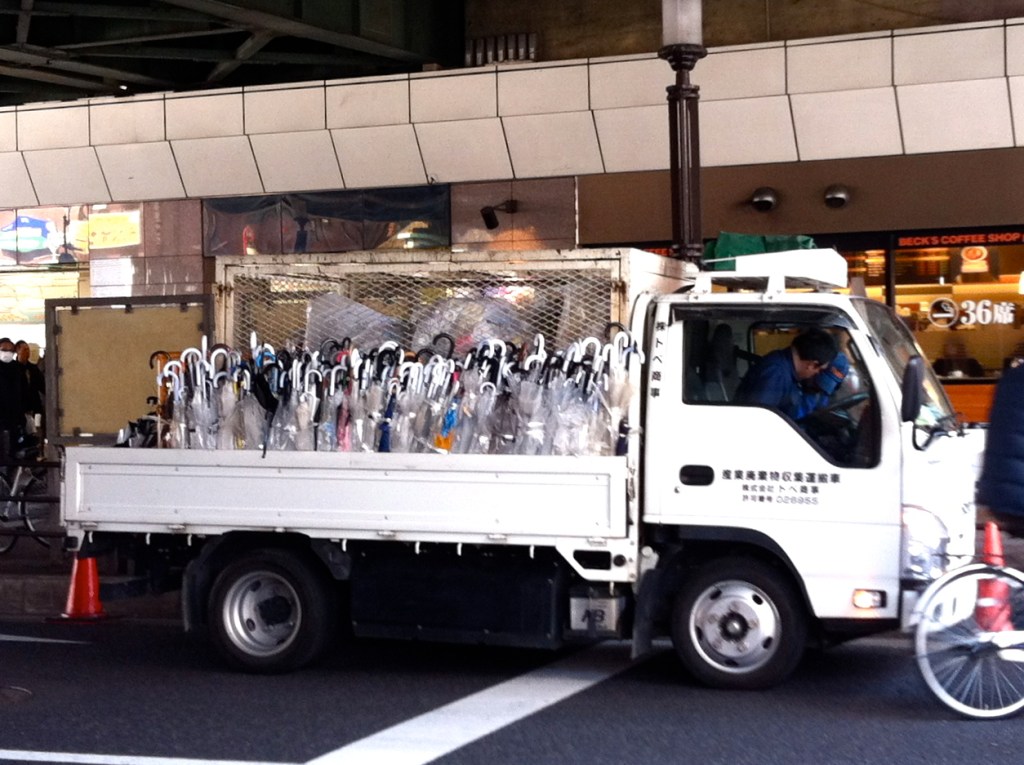
You never get caught without an umbrella in a downpour.
Even if this morning’s weather micro-forecast was wrong, there’s a convenience store on every corner selling ¥500 ($4.00 USD) umbrellas for all your save-me-from-the-dry-cleaner needs.
9
There are no beater cars on the roads.
Because of a less-than-aesthetic reason—the powerful Japanese car industry has made sure that cars over two years old have to go through far more rigorous inspections, and no car passes inspection if it has even the slightest door ding. It’s easier just to buy a new one.
10
It shocks the natives if you eat your fruit unpeeled, and fruit is never served in restaurants with the skins on.
Eating grapes, apples, and peaches without peeling them first is as unthinkable as biting into a banana skin.
11

There are all sizes of inexpensive coin lockers near every train station and shopping area, so you don’t have to tote your purchases around all day.
Department stores that sell food even have refrigerated ones that refund your coin when you come back.
And, of course, the low-hanging fruit…
12

Even cheap restaurants deal out wet hand wipes or towels to clean your hands before eating.
13
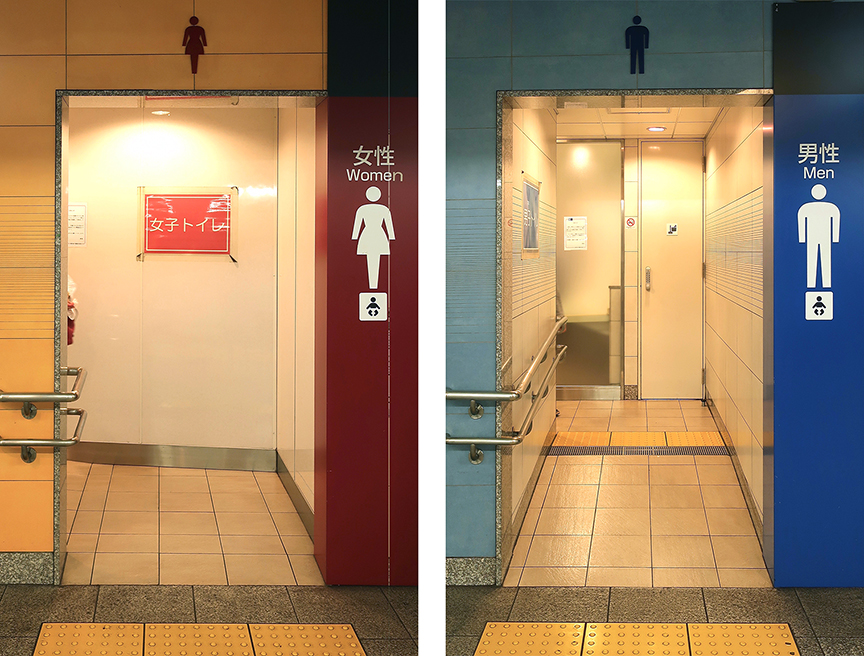
Public bathrooms are everywhere.
All train stations and public parks have surprisingly clean and plentiful restrooms, and convenience stores and department stores also make their restrooms freely available and accessible to the public.
14
Movies start (and trains arrive and stores unlock their front doors) so punctually that you can do a ten second countdown with your phone clock and never be disappointed.
Which allows you to arrive only a few minutes before curtain time, because even in regular movie theaters, all seats are reserved.
15
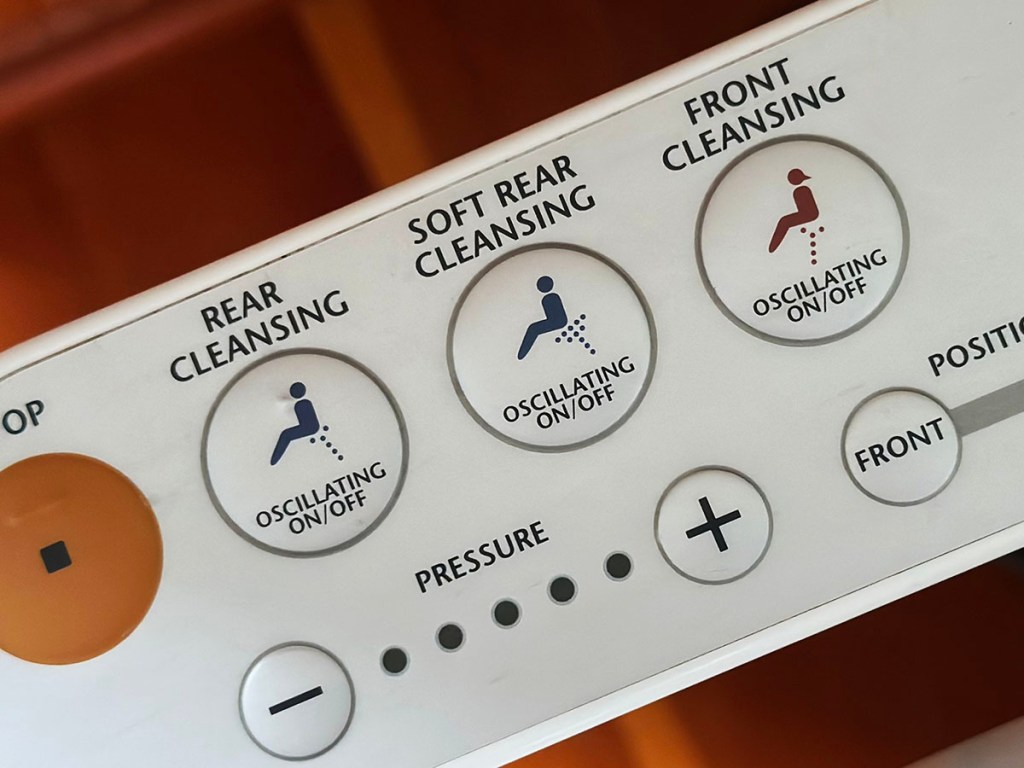
Toilets (even many public ones) have heated seats and bidets (with a selection of water strengths and temperatures) built right in.
16
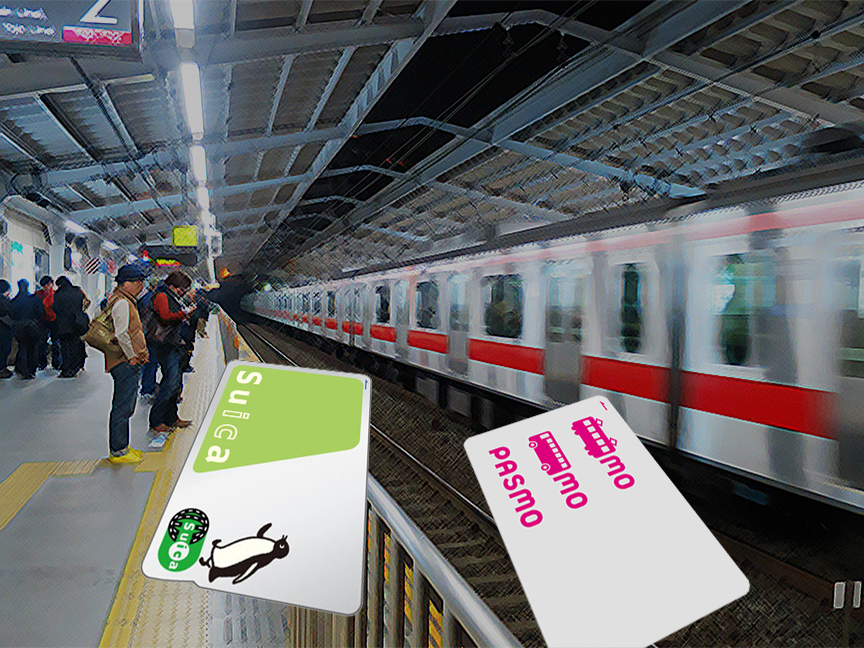
You can use your transit card to pay for tons of things with a single tap instead of messing around with (and carrying lots of) cash.
It’s becoming more and more usual for coffee shops, museums, parks, and vending machines to accept one-tap payment from the same card you’ve loaded money onto to ride the trains.
17
The streets and public transportation are shockingly clean.
Nobody eats and drinks while walking around, which is also why there are no overflowing stinky trash cans in public places.
•
Click here for more The Thing I Learned Today posts

•
Or get more amusing Japan stuff sent to your email every month when you subscribe!

•


Jonelle Patrick writes novels set in Japan, and blogs at Only In Japan and The Tokyo Guide I Wish I’d Had
 Japanagram